“Set aside every other duty and take refuge in me alone. I will free you from all sins. Do not grieve.” Gita 18.66
Image credits
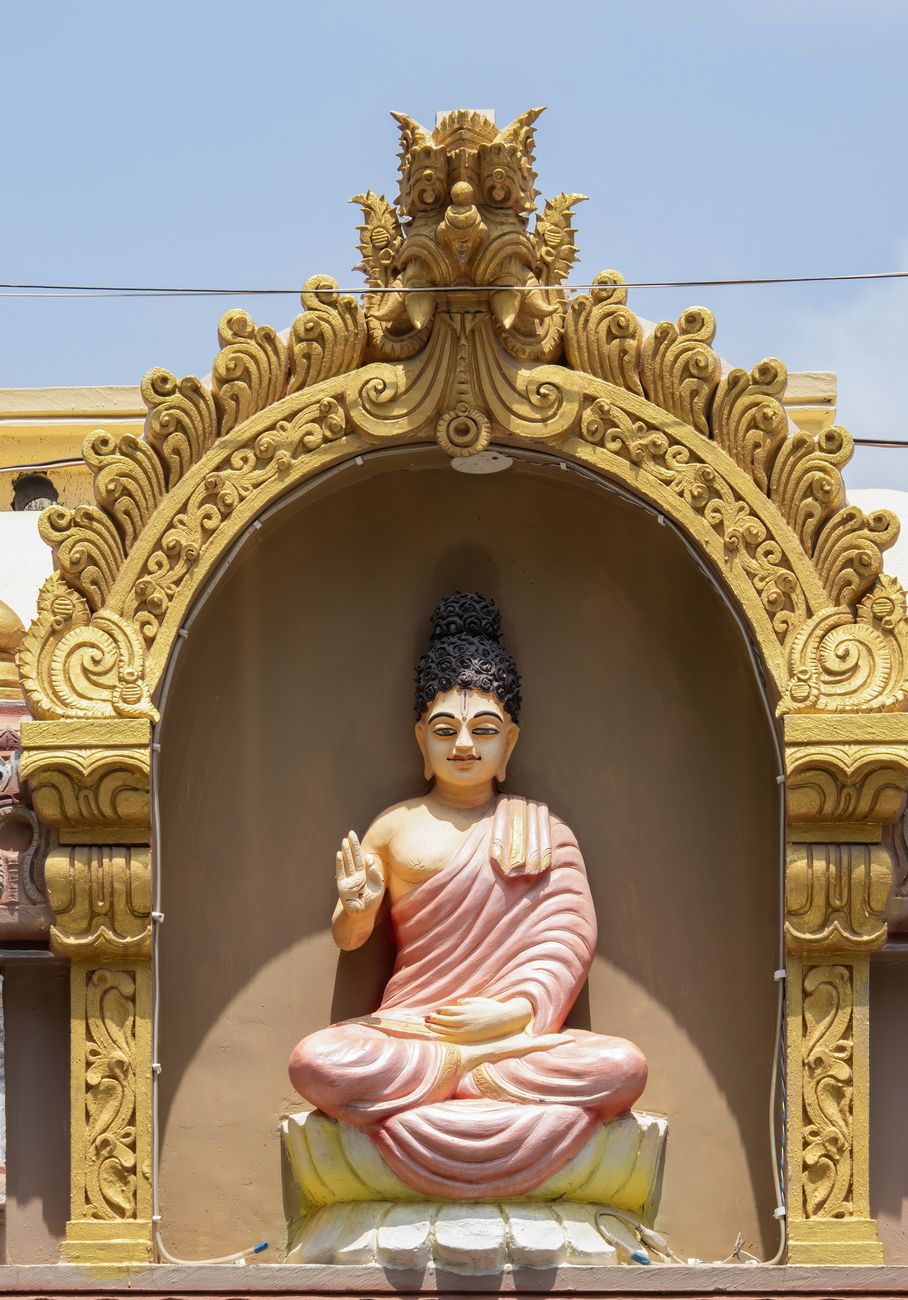
Dasavataralu -Gautam Buddha avatar of Lord Vishnu on Sri Venkateshwara temple, Guntur. iMahesh. CC BY-SA 4.0, via Wikimedia Commons. Cropped and resized.
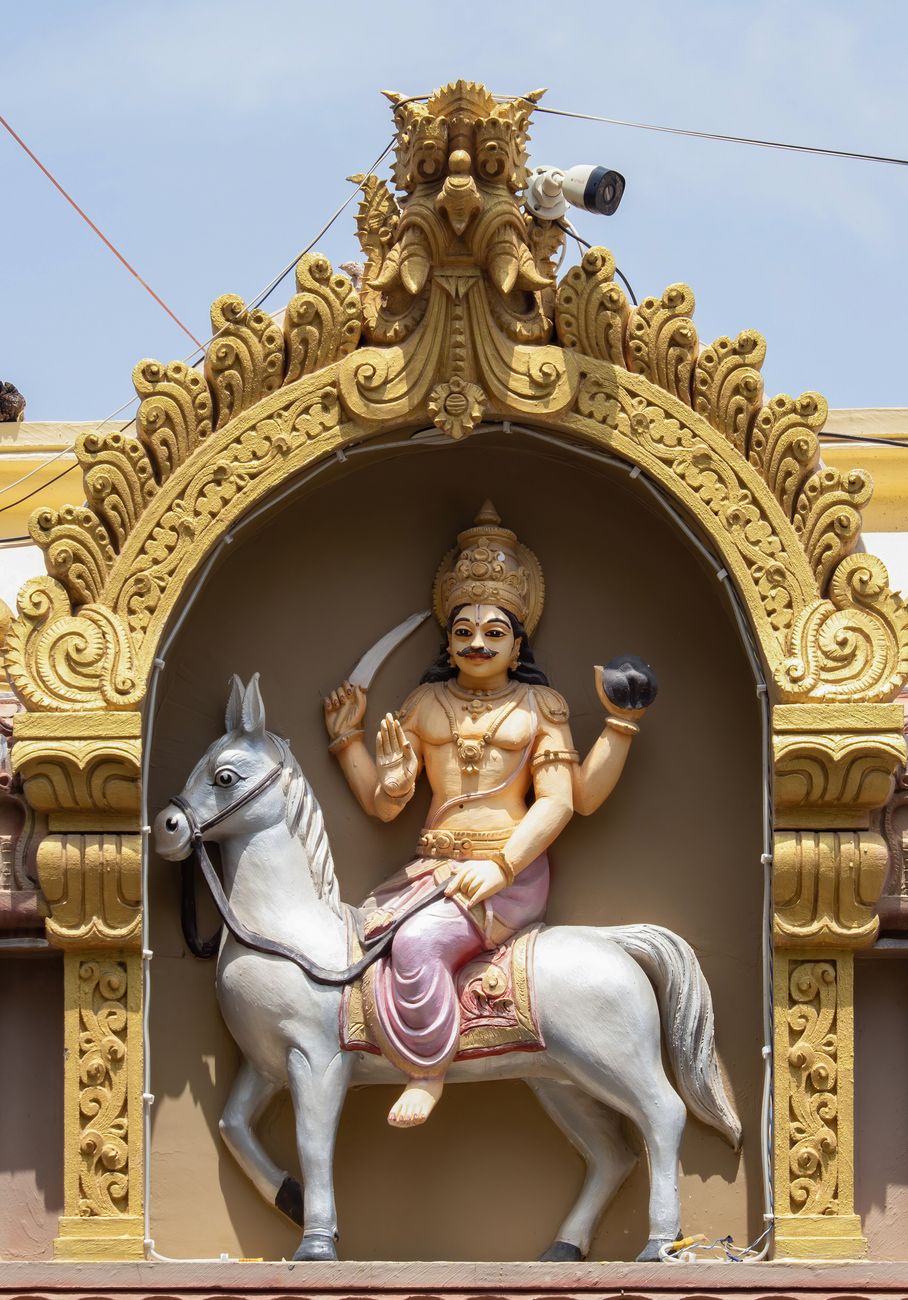
Dasavataralu - Kalki avatar of Lord Vishnu on Sri Venkateshwara temple, Guntur. iMahesh. CC BY-SA 4.0, via Wikimedia Commons. Cropped and resized.
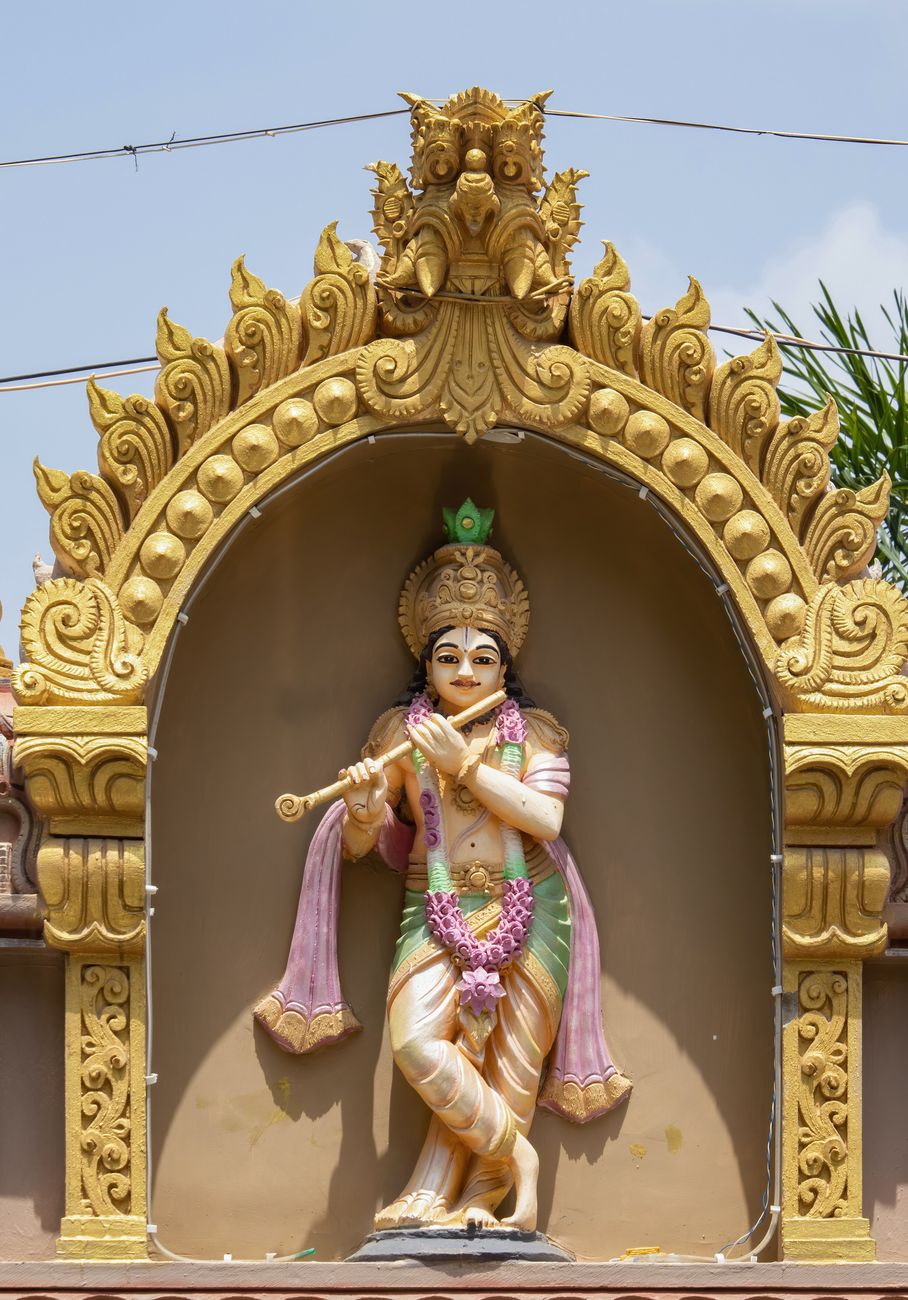
Dasavataralu - Krishna avatar of Lord Vishnu on Sri Venkateshwara temple, Guntur. iMahesh. CC BY-SA 4.0, via Wikimedia Commons. Cropped and resized.
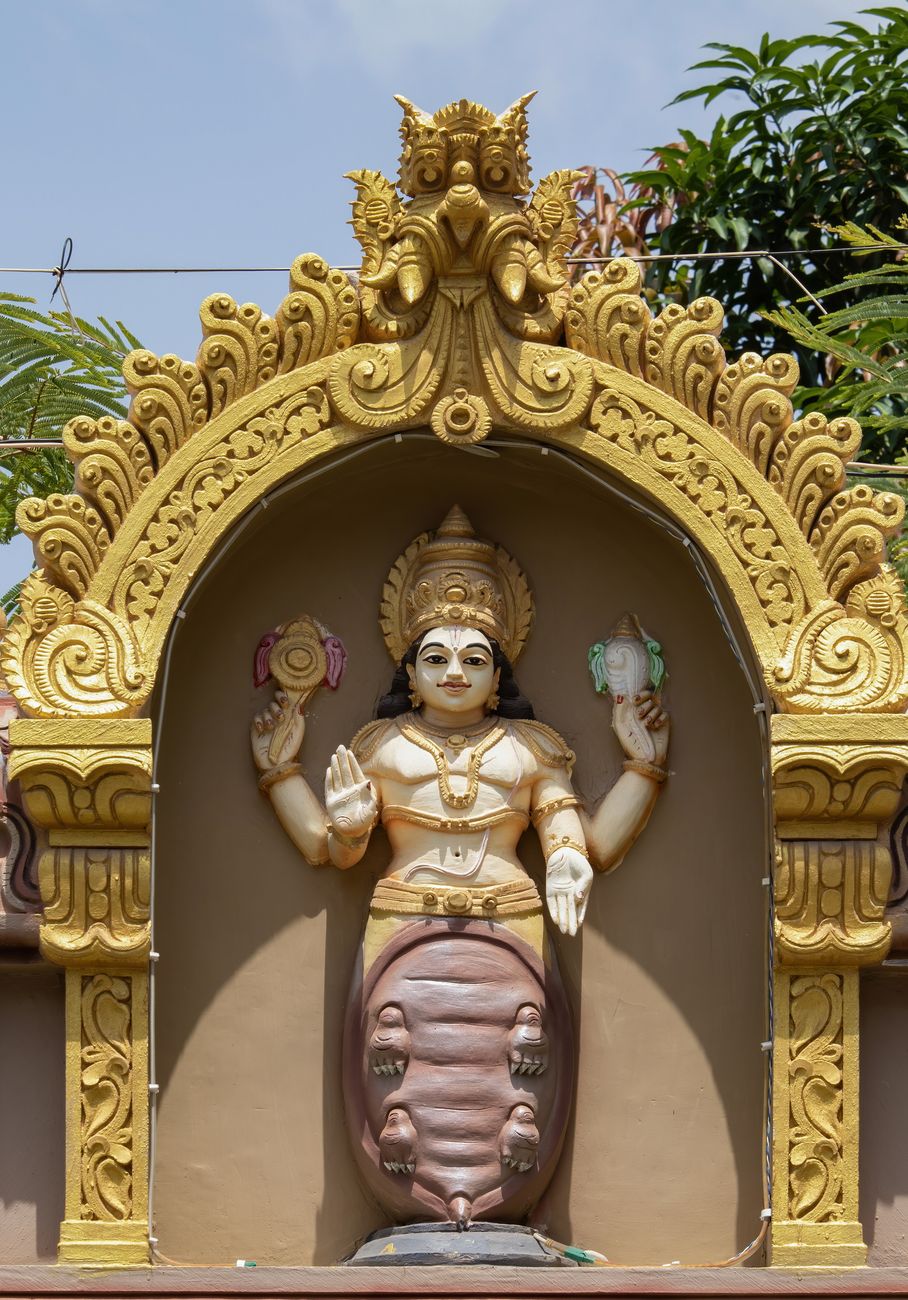
Dasavataralu - Kurma avatar of Lord Vishnu on Sri Venkateshwara temple, Guntur. iMahesh. CC BY-SA 4.0, via Wikimedia Commons. Cropped and resized.
Dasavataralu - The Main avatar of Lord Vishnu on Sri Venkateshwara temple, Guntur. iMahesh. CC BY-SA 4.0, via Wikimedia Commons. Cropped and resized.
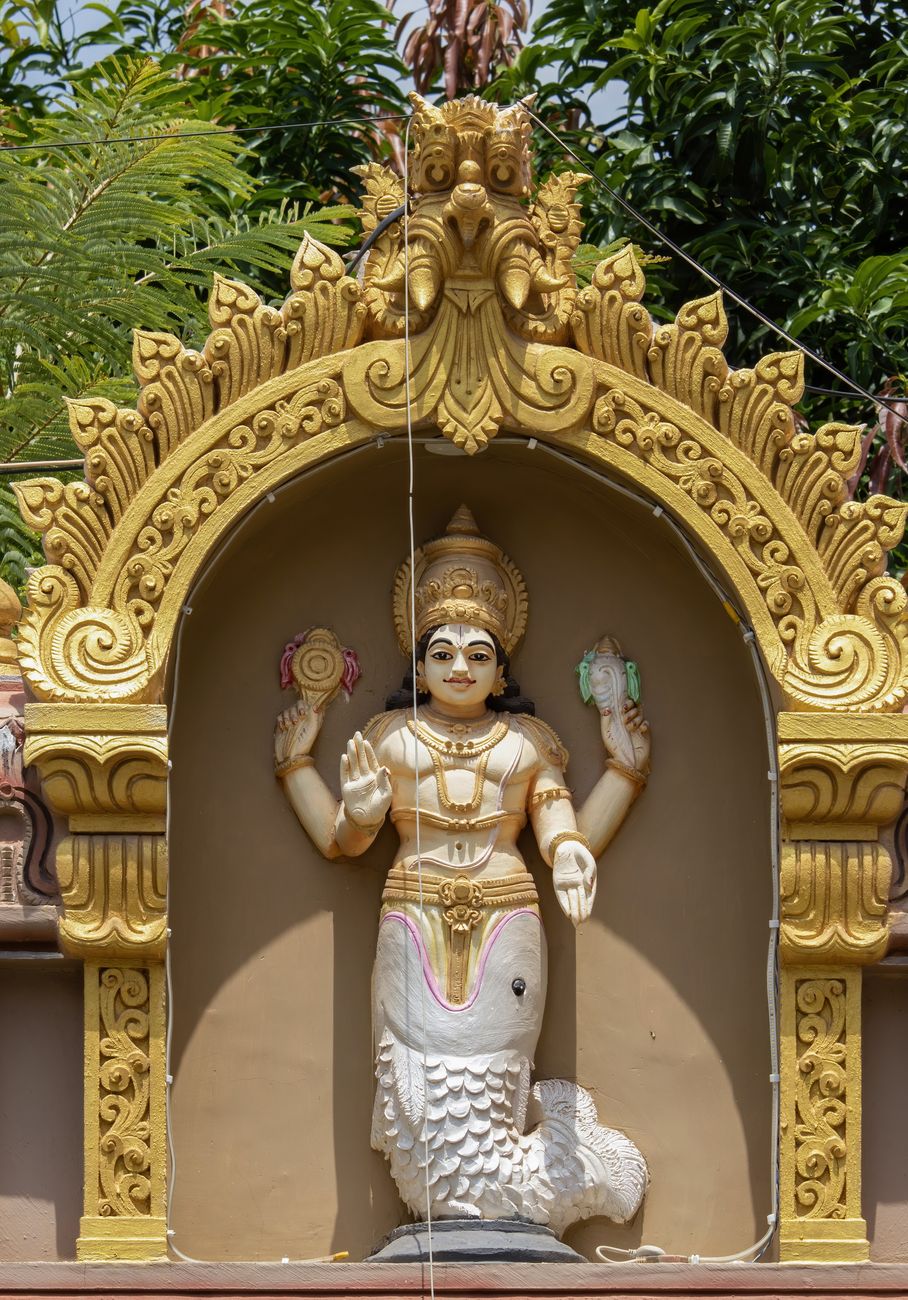
Dasavataralu - Matsya avatar of Lord Vishnu on Sri Venkateshwara temple, Guntur. iMahesh. CC BY-SA 4.0, via Wikimedia Commons. Cropped and resized.
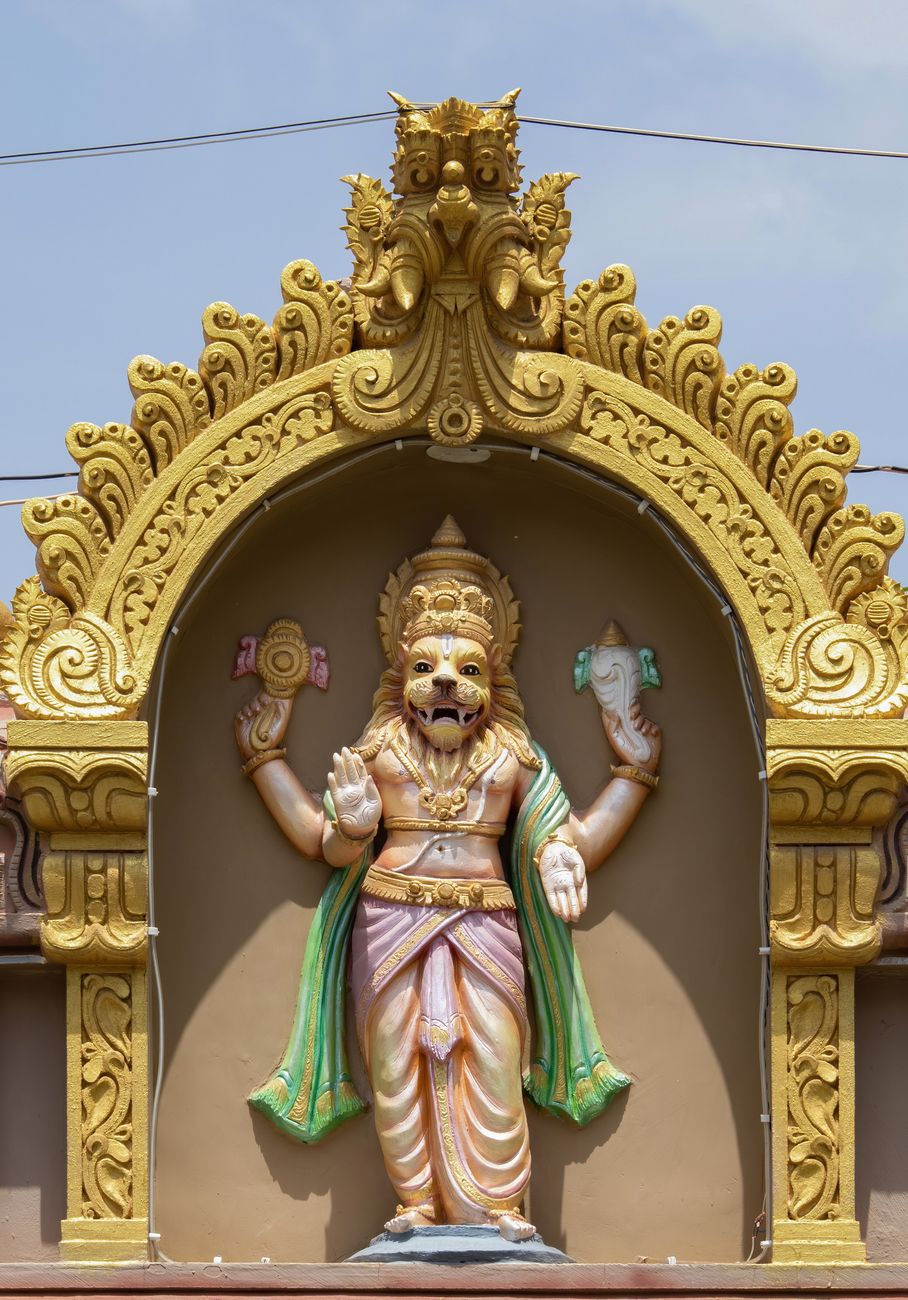
Dasavataralu - Narasimha avatar of Lord Vishnu on Sri Venkateshwara temple, Guntur. iMahesh. CC BY-SA 4.0, via Wikimedia Commons. Cropped and resized.
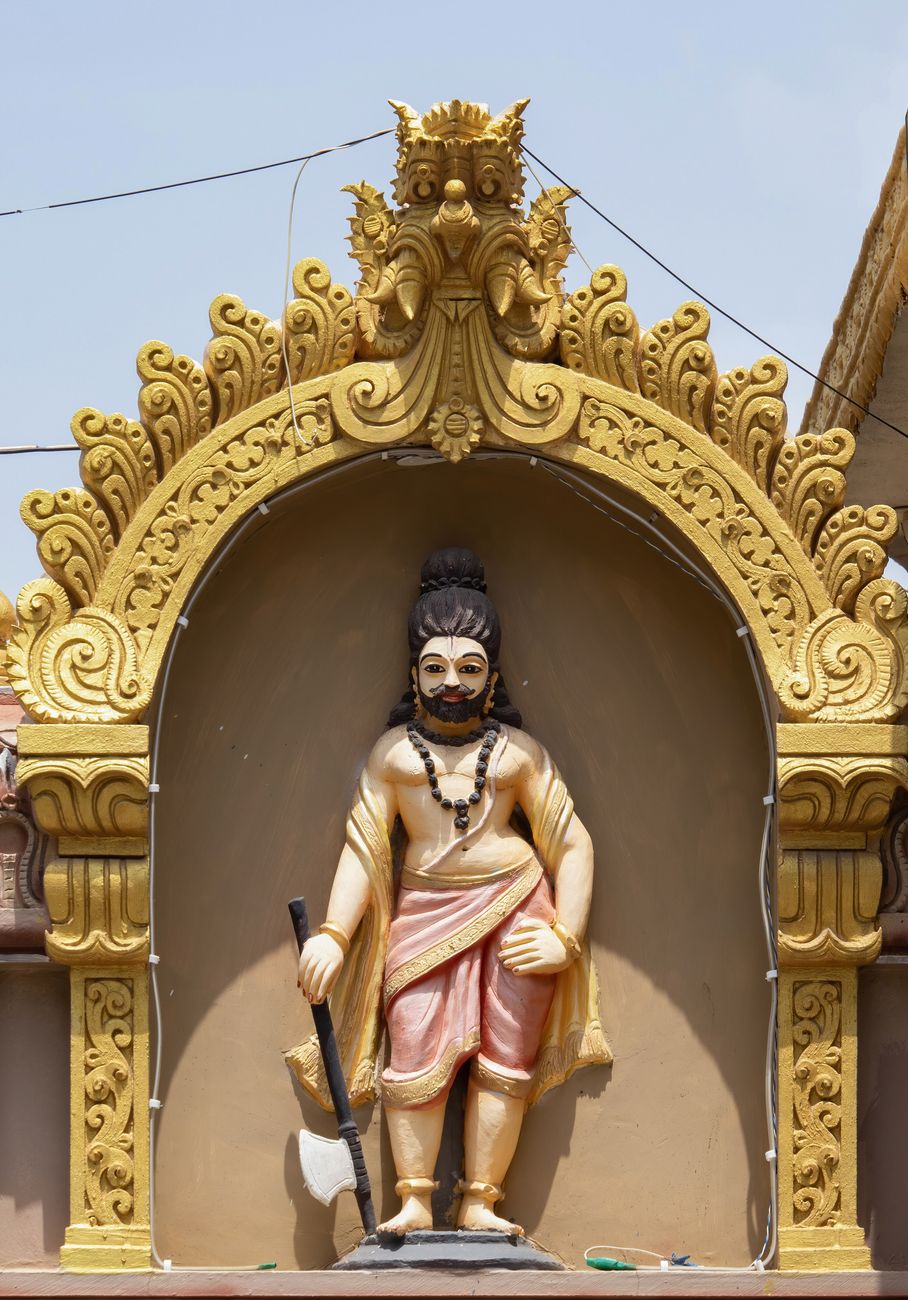
Dasavataralu - Parashurama avatar of Lord Vishnu on Sri Venkateshwara temple, Guntur. iMahesh. CC BY-SA 4.0, via Wikimedia Commons. Cropped and resized.
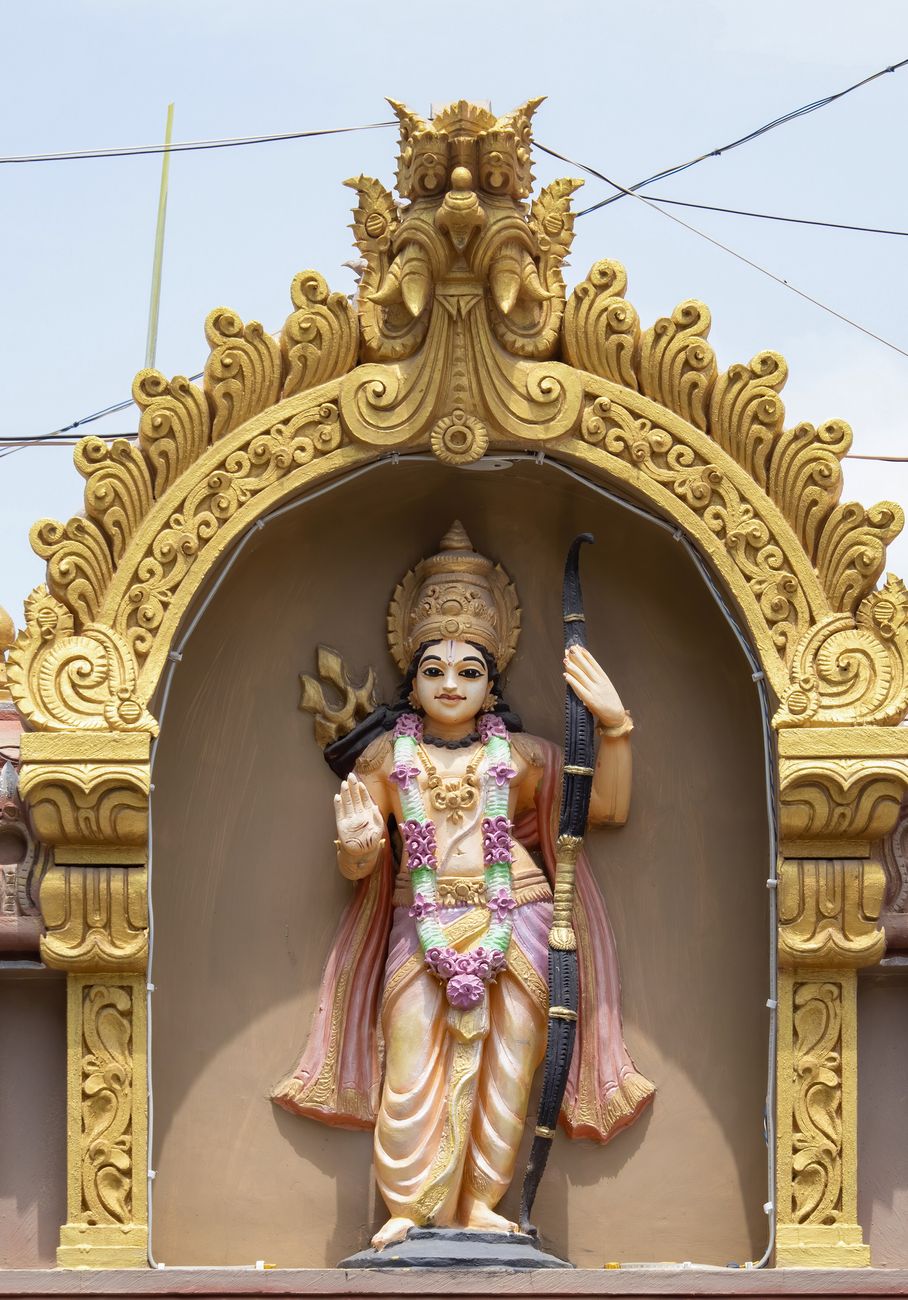
Dasavataralu - Rama avatar of Lord Vishnu on Sri Venkateshwara temple, Guntur. iMahesh. CC BY-SA 4.0, via Wikimedia Commons. Cropped and resized.
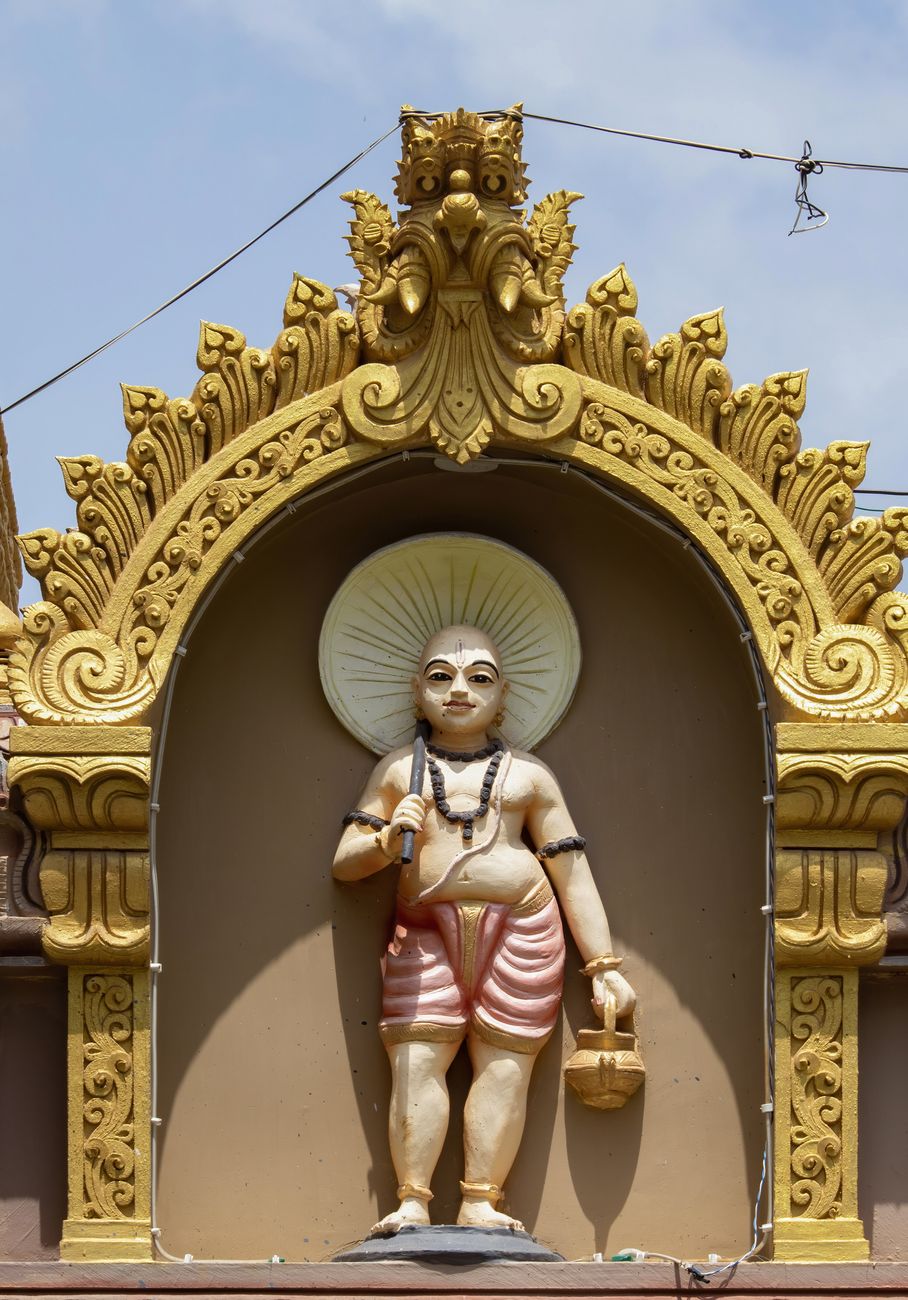
Dasavataralu - Vamana avatar of Lord Vishnu on Sri Venkateshwara temple, Guntur. iMahesh. CC BY-SA 4.0, via Wikimedia Commons. Cropped and resized.
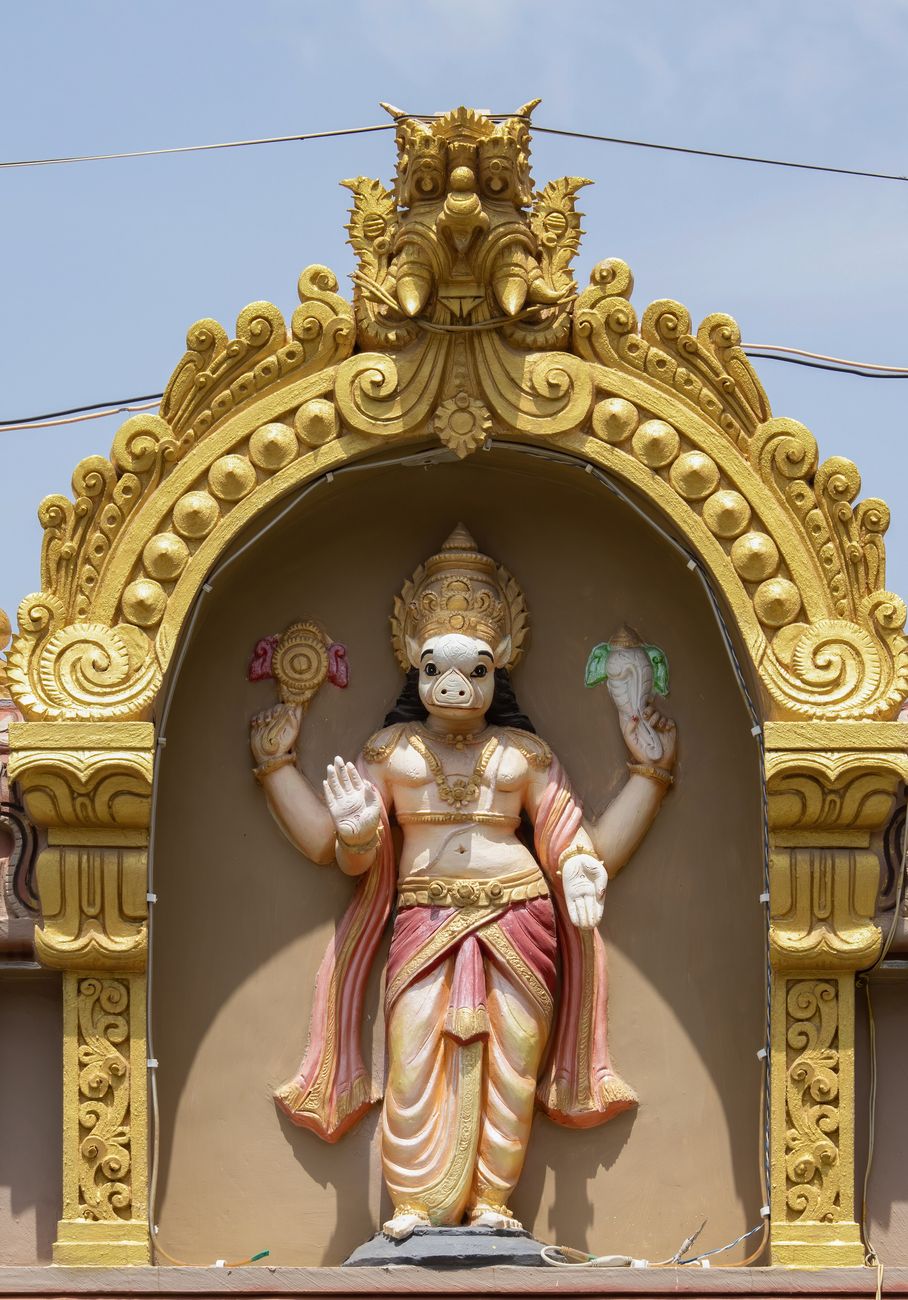
Dasavataralu - Varaha avatar of Lord Vishnu on Sri Venkateshwara temple, Guntur. iMahesh. CC BY-SA 4.0, via Wikimedia Commons. Cropped and resized.
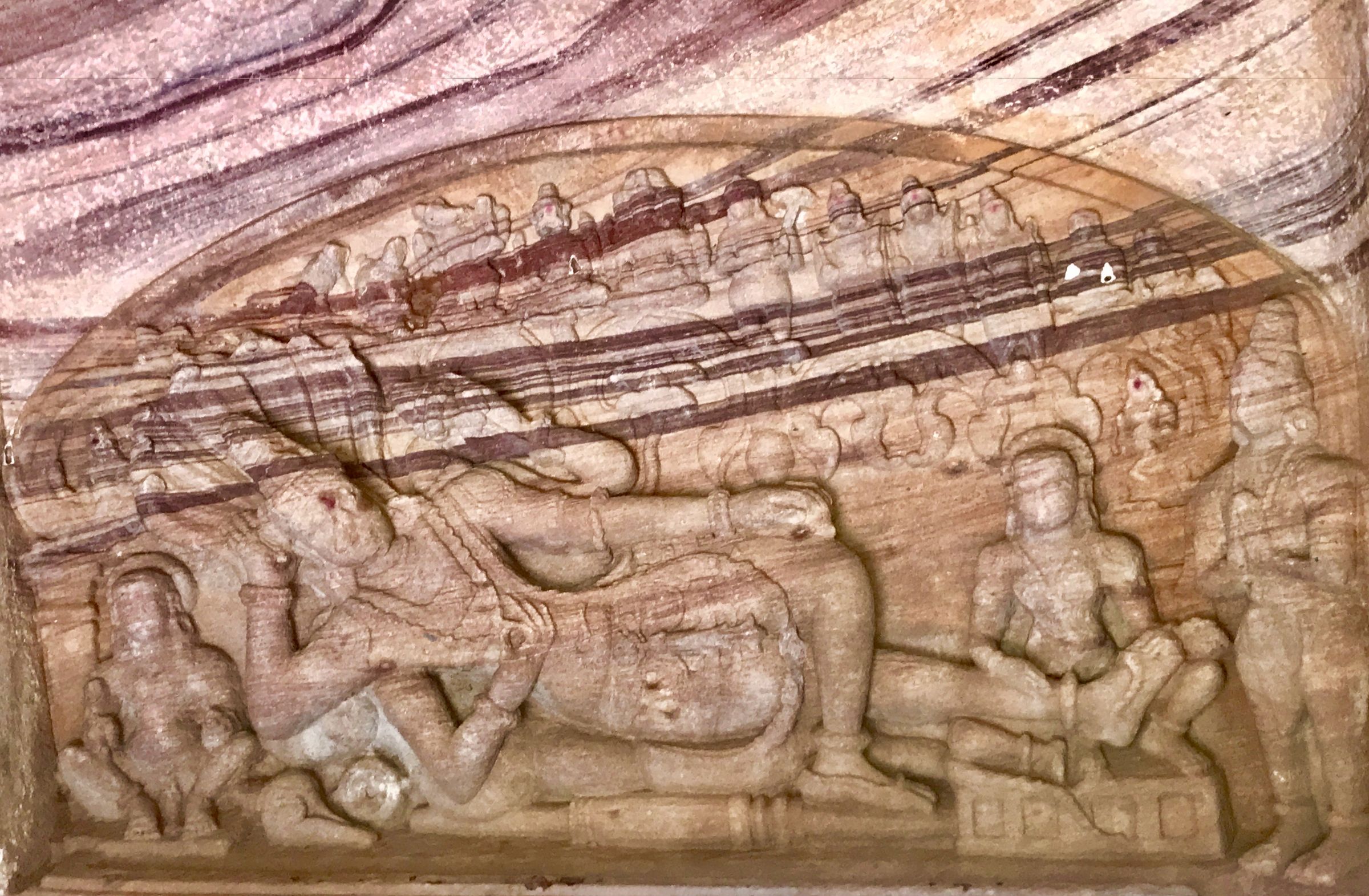
Anantashayana Vishnu with Lakshmi, his avatars above him, Badami monuments Karnataka. Ms Sarah Welch. CC BY-SA 4.0, via Wikimedia Commons. Cropped and resized.
Arjuna BattlesWith the Kauravas At Kuruksheta Bhagavad Gita. Unknown artist. Public domain, via Wikimedia Commons. Cropped and resized.
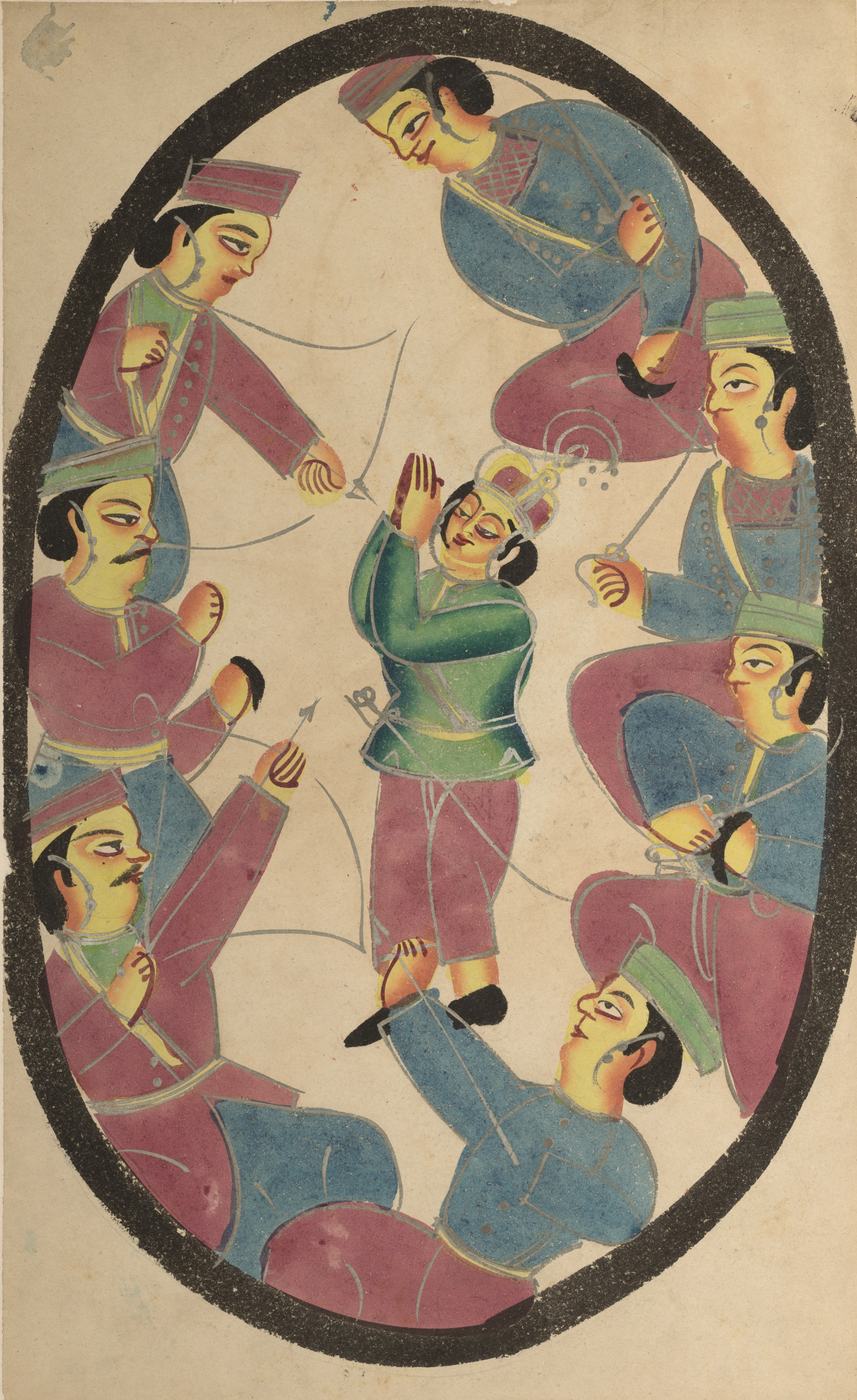
Seven Heroes or Warriors Killing Abhimanya, Son of Arjuna, c. 1890. Cleveland Museum of Art, CC0.
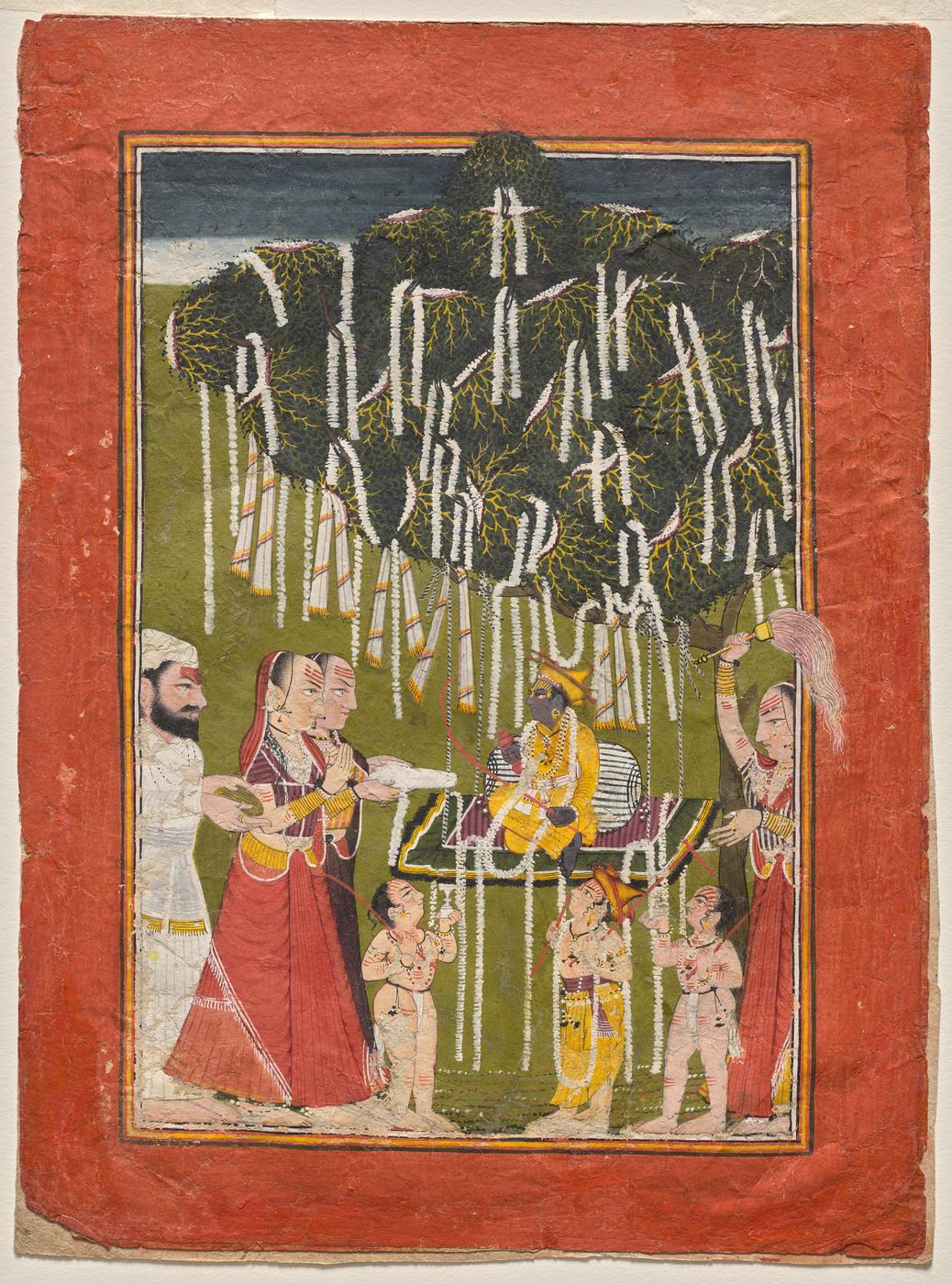
Adoration of young Krishna, c. 1720–25. Cleveland Museum of Art, CC0.
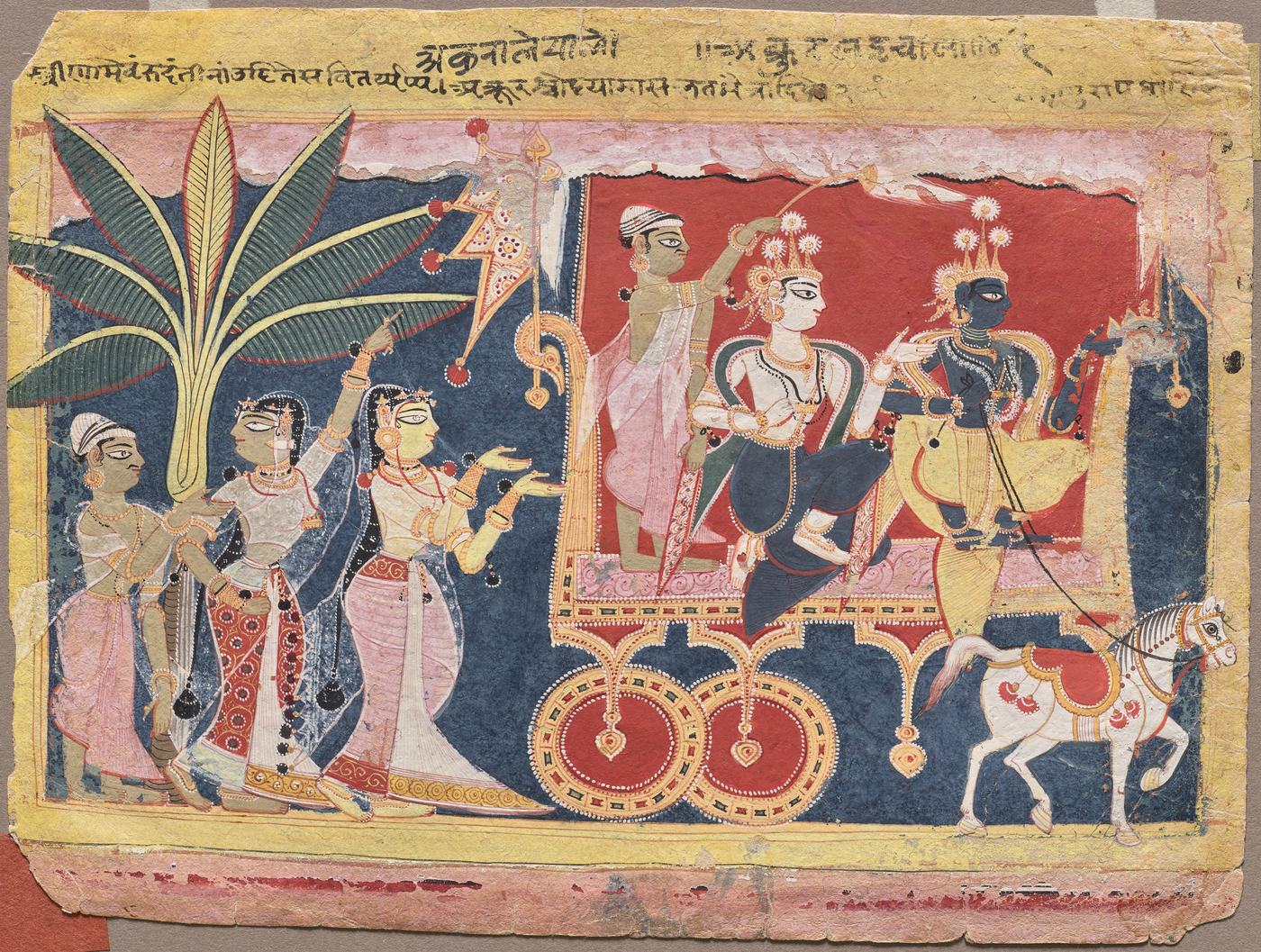
Akrura Drives Krishna and Balarama to Mathura, from the “Isarda Bhagavata Purana”, c. 1560–70. Cleveland Museum of Art, CC0.
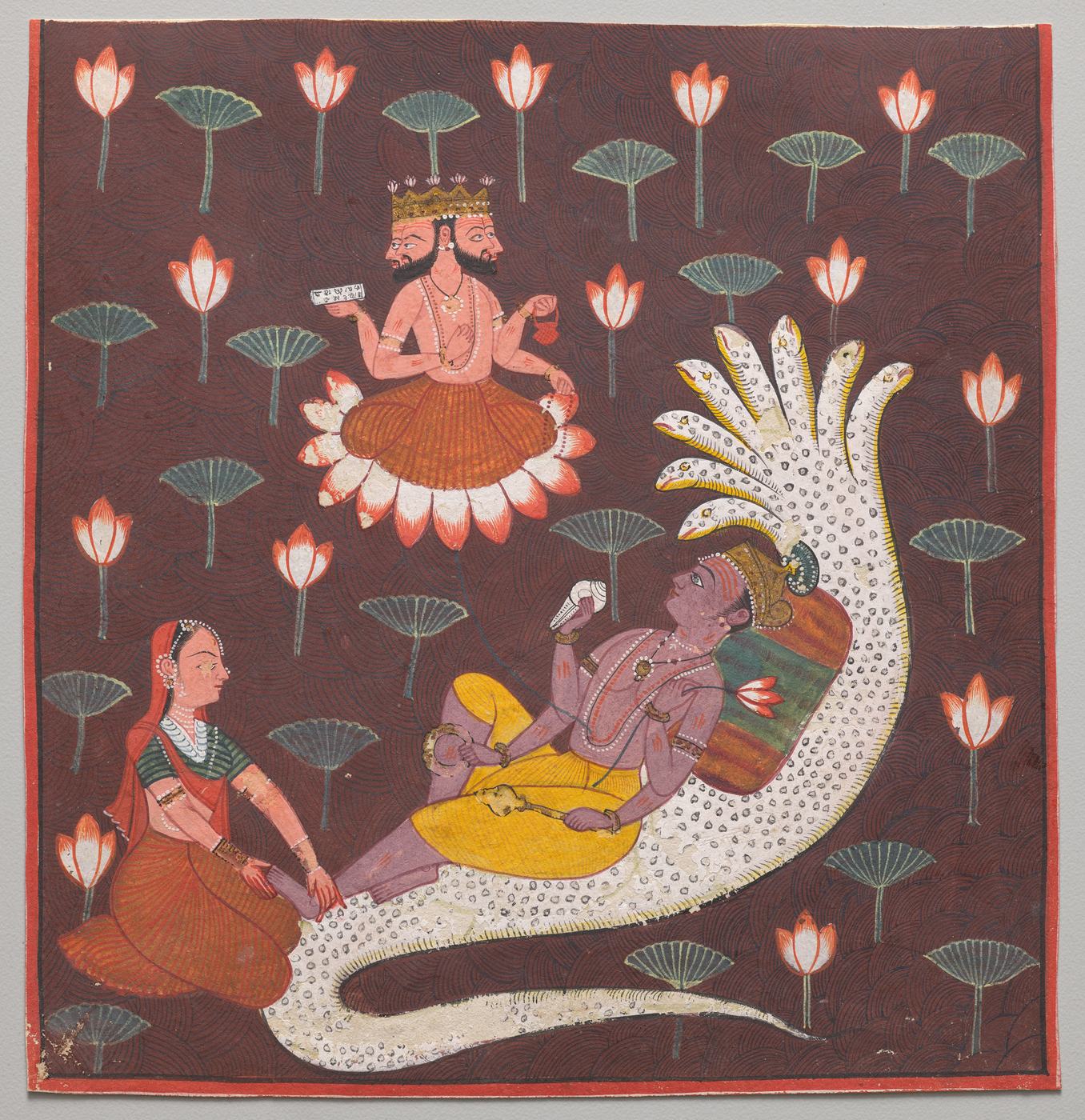
Vishnu on Ananta, the Endless Serpent, c. 1700. Cleveland Museum of Art, CC0.
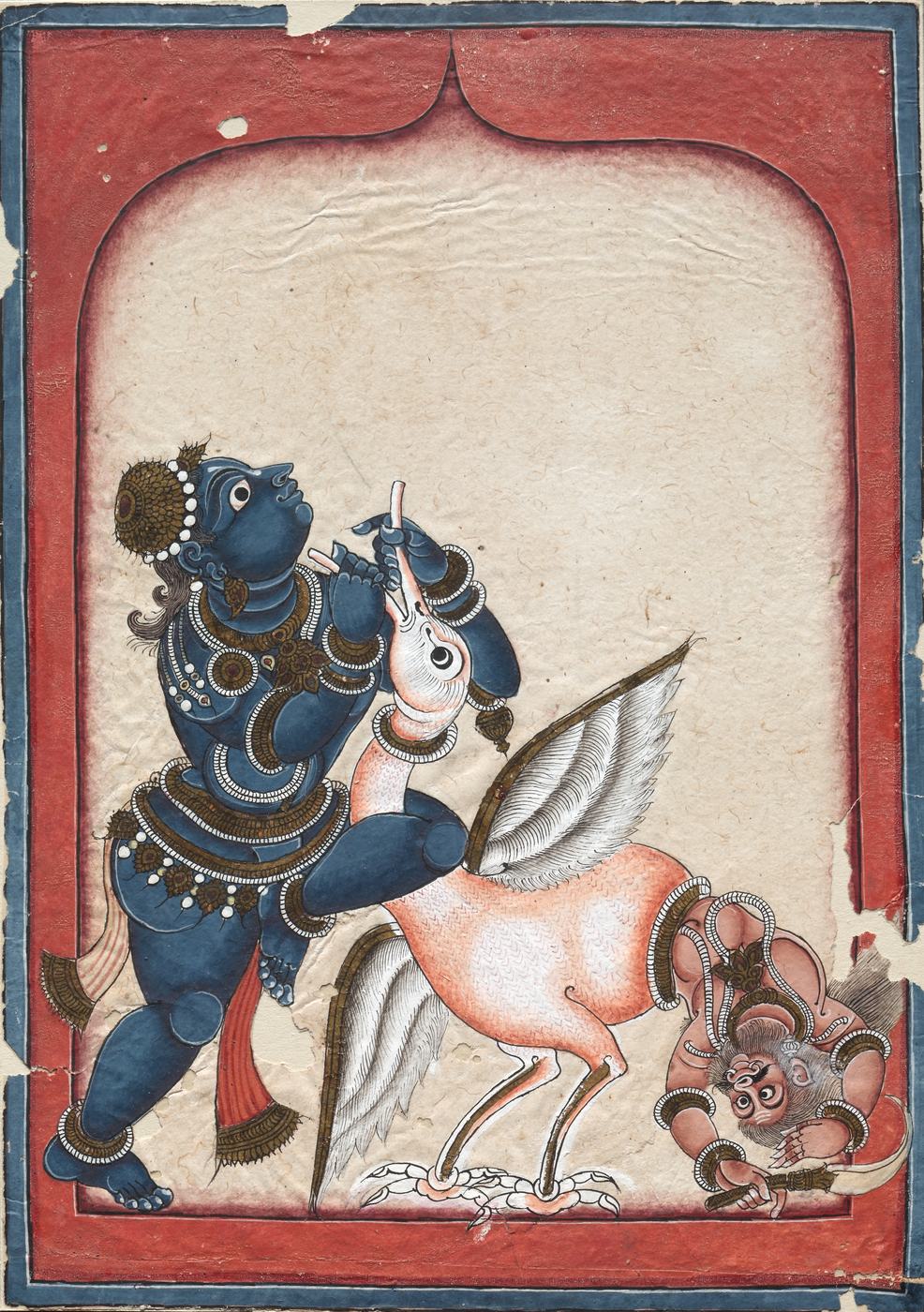
Krishna Vanquishing the Crane-Demon Bakasura, late 1700s. Cleveland Museum of Art, CC0.
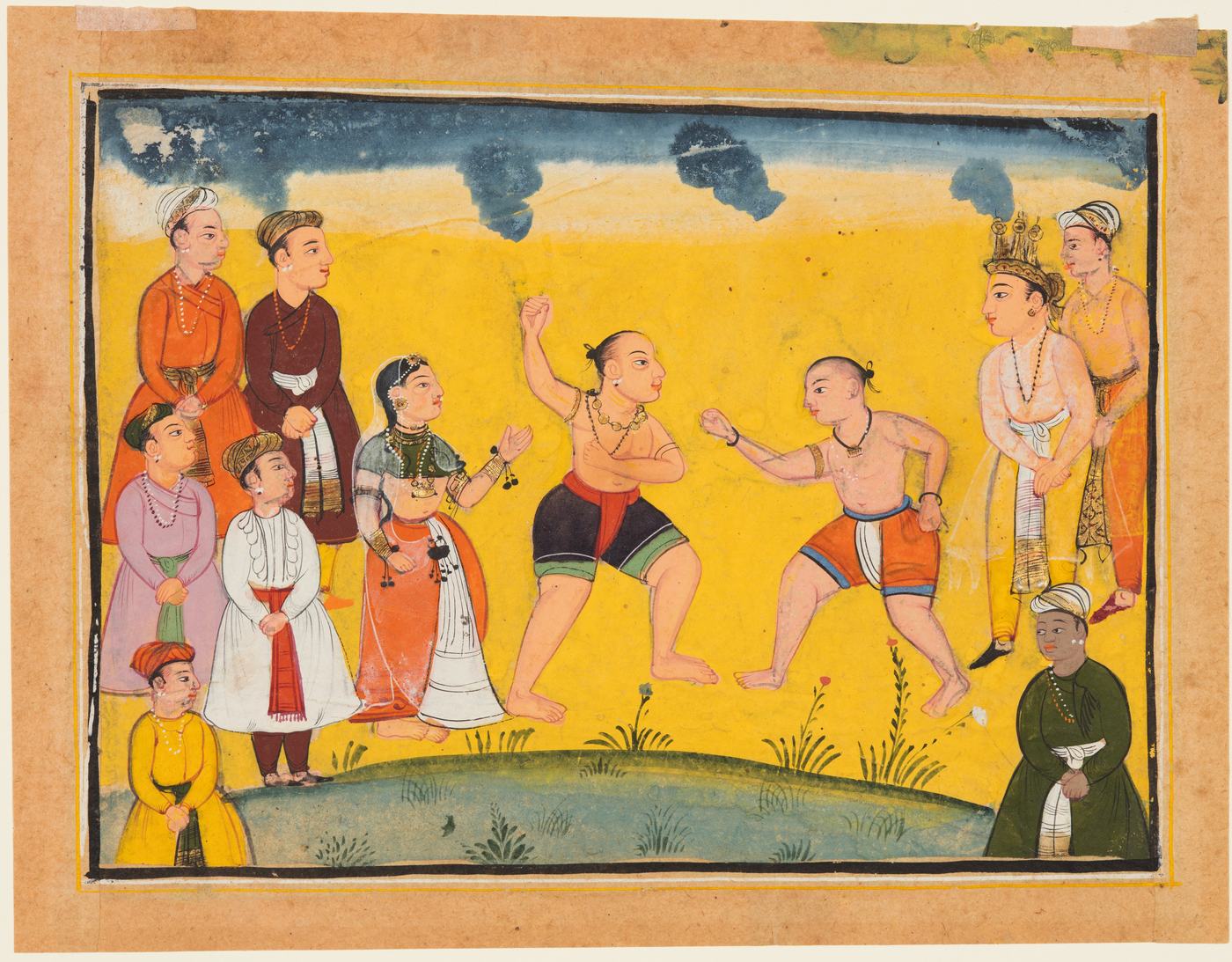
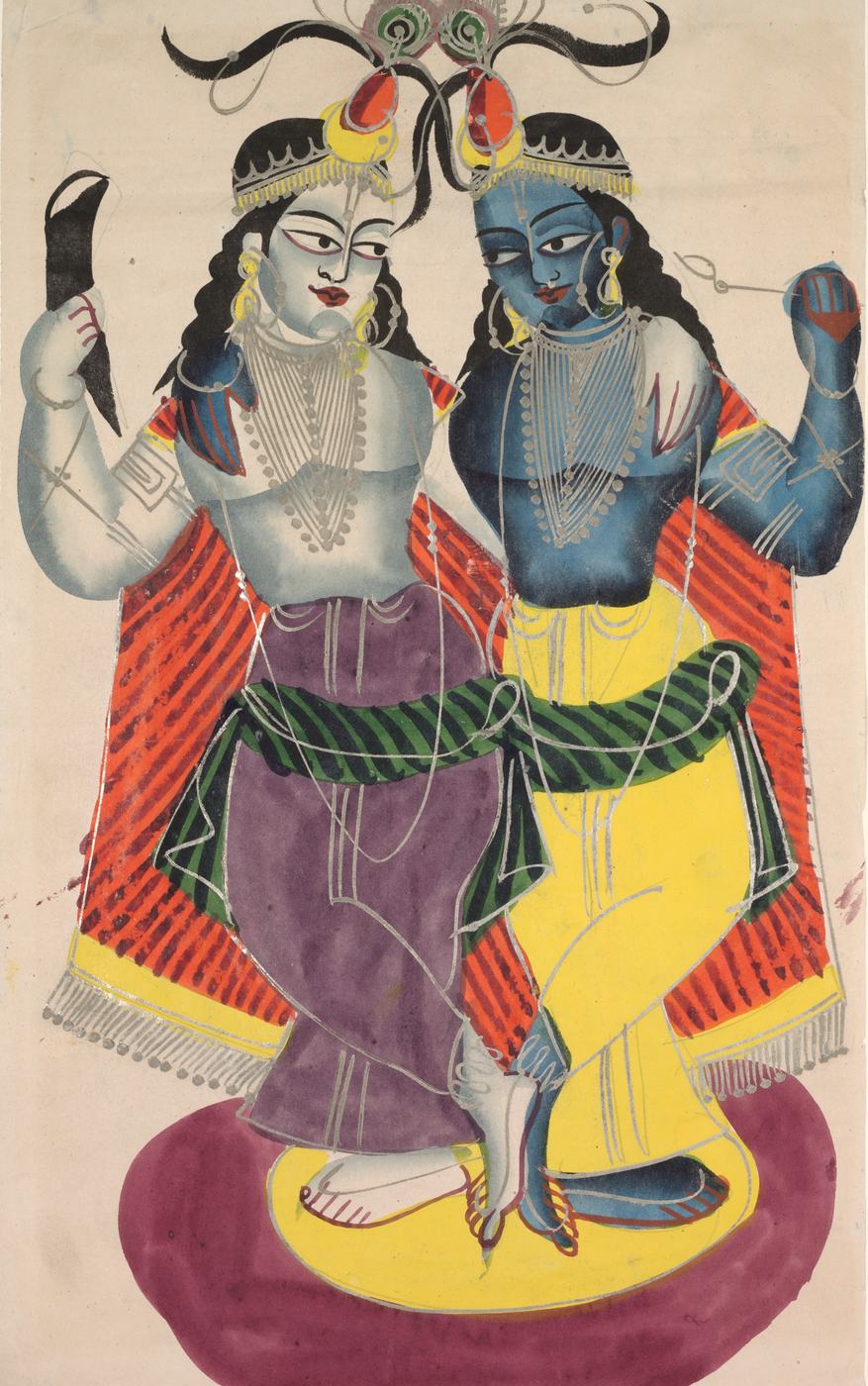
Balarama and Krishna, c. 1890. Cleveland Museum of Art, CC0.
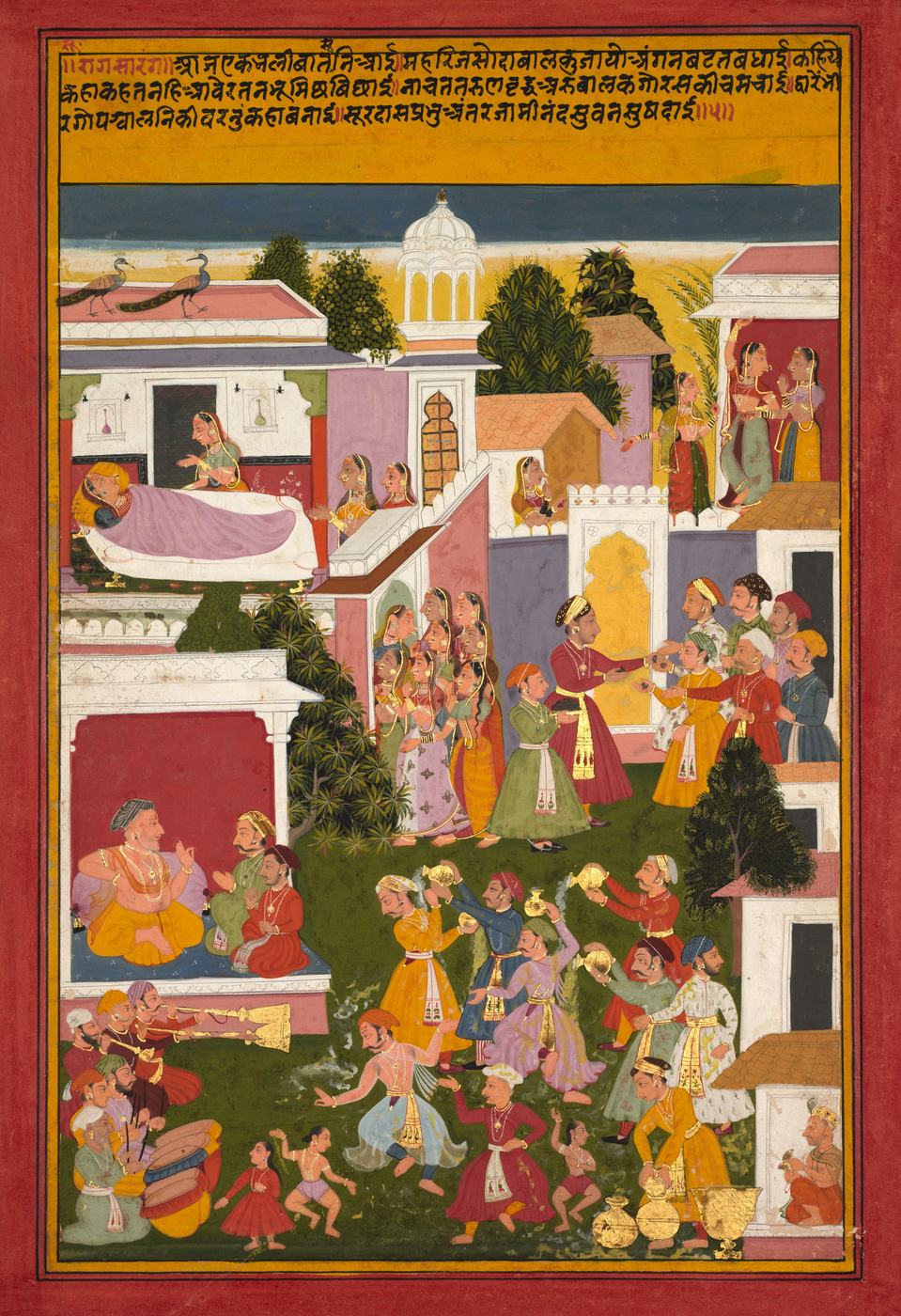
The Birth of Krishna, from a Sursagar of Surdas (Indian, c. 1480–1580), 1705–10. Cleveland Museum of Art, CC0.
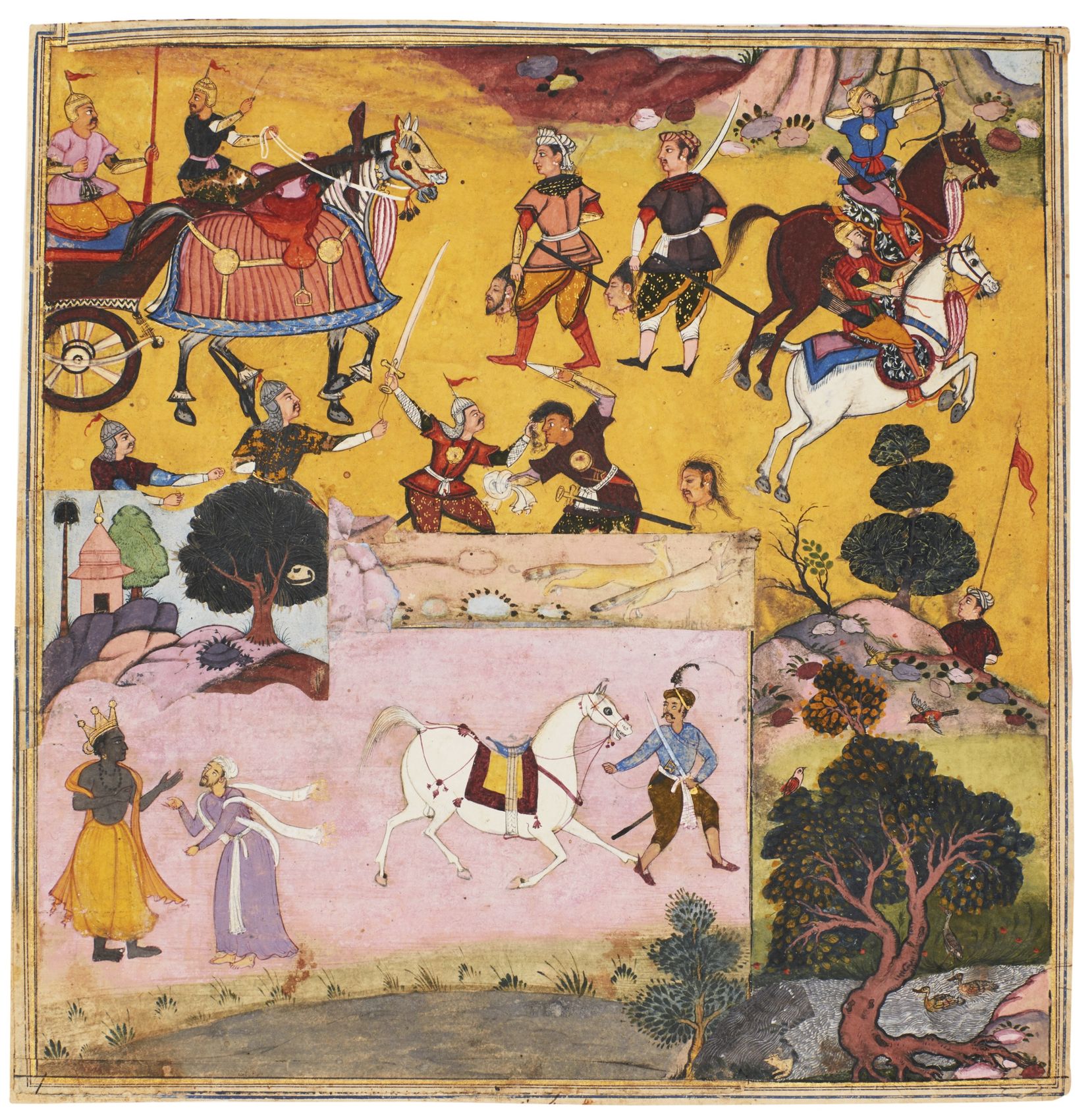
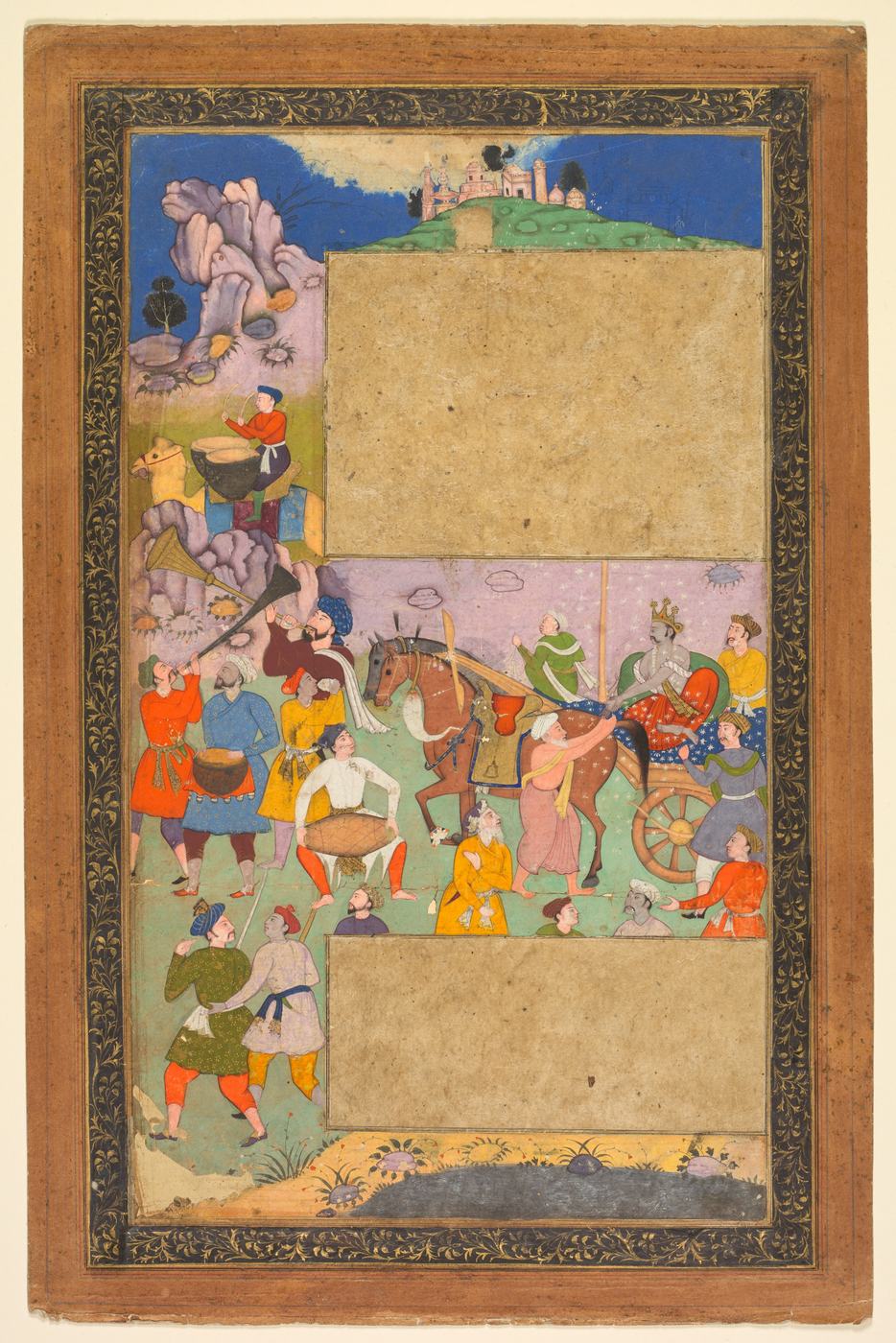
A charioteer riding through a rocky landscape with an entourage of footmen and musicians, page from a Razm-nama (Book of Wars) adapted from the Sanskrit Mahabharata and translated into Persian by Mir Ghiyath al-Din Ali Qazvini, known as Naqib Khan (Persian, d. 1614), 1616–17. Cleveland Museum of Art, CC0.
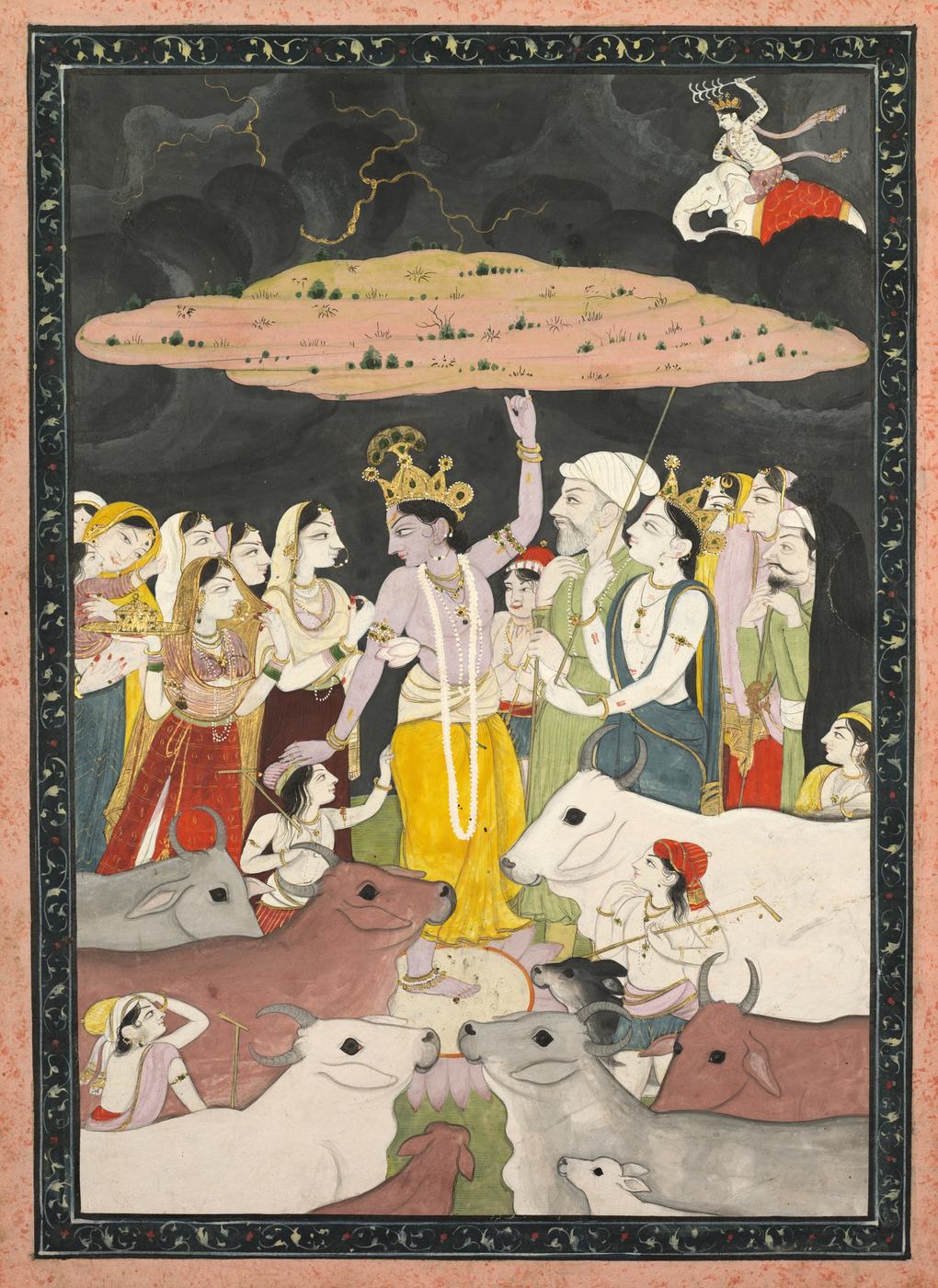
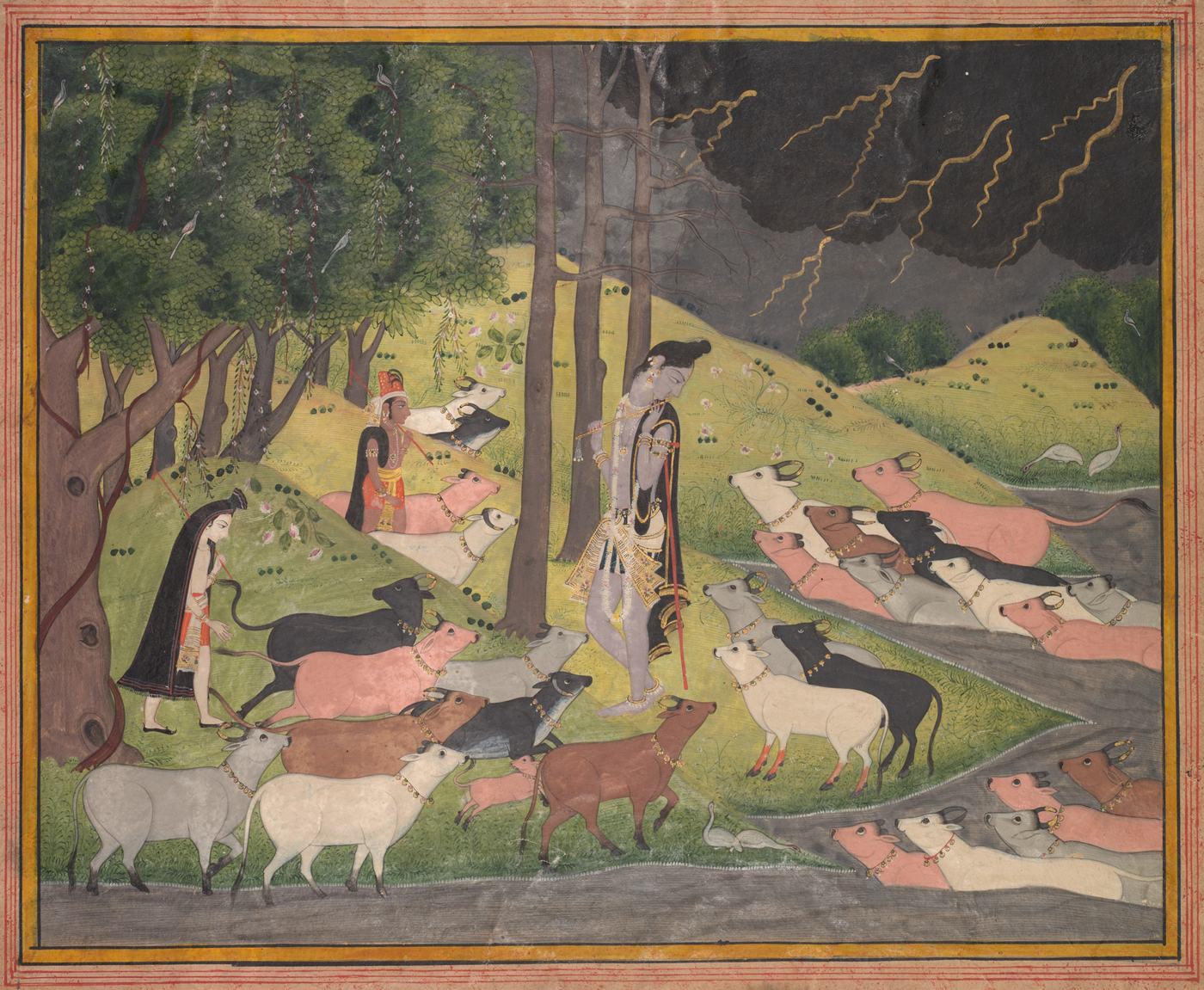
Krishna summoning the cows, c. 1780–90. Cleveland Museum of Art, CC0.
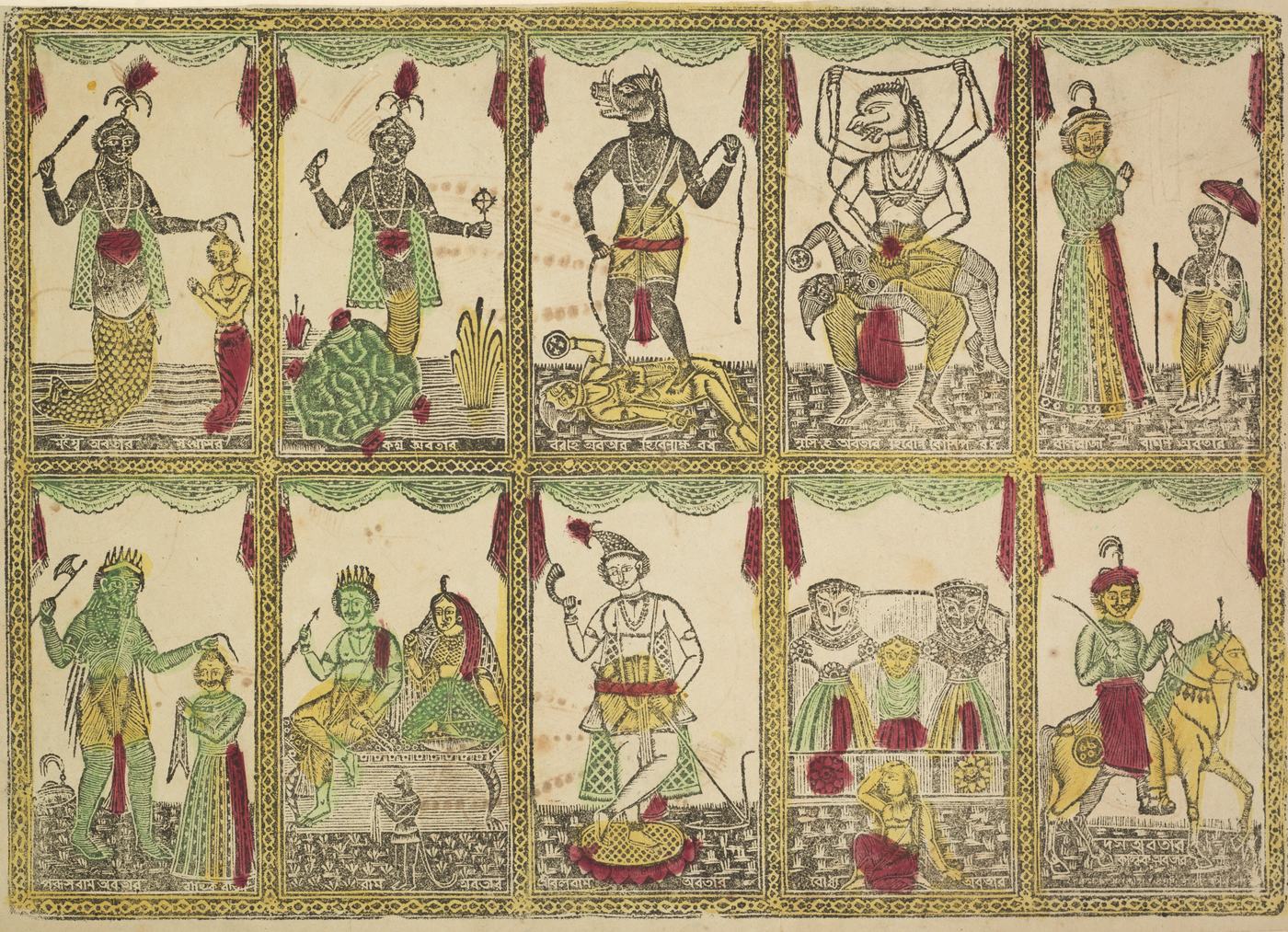
Das Avataras, Ten Incarnations of Vishnu (verso), from a Kalighat album, c. 1890. Cleveland Museum of Art, CC0.
Draupadi Rescued from Abduction, from a Mahabharata, c. 1615. Cleveland Museum of Art, CC0.
Akrura and Kritavarma flee Dvaraka, page from the "Large Basohli" Bhagavata Purana, c. 1760–65. Cleveland Museum of Art, CC0.
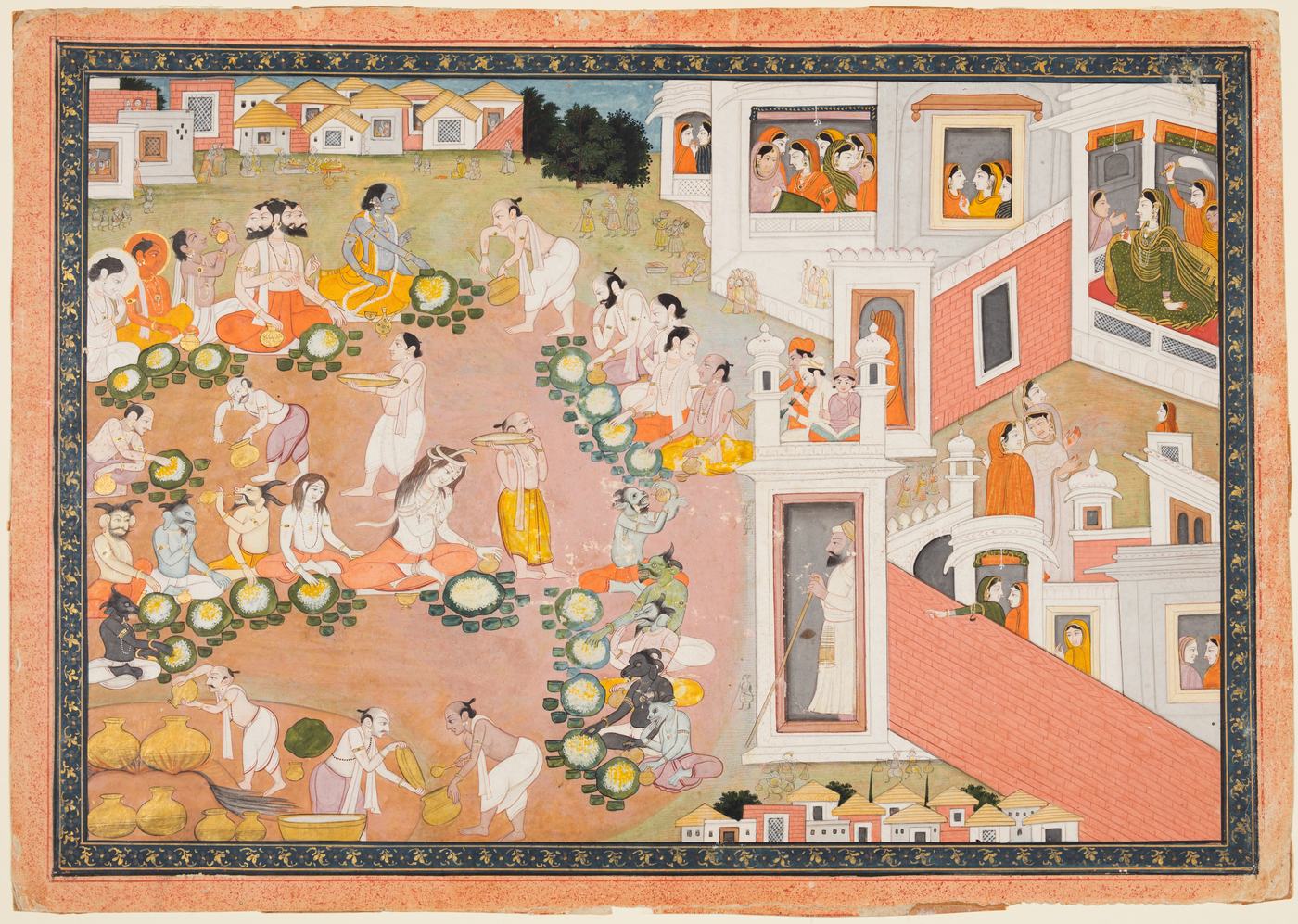
Feast where Vishnu decides he will incarnate as King Dasharatha’s sons, from Chapters 14–15 of the "Bala Kanda" (Book of Childhood) of a Ramayana (Rama’s Journey), c. 1810. Cleveland Museum of Art, CC0.
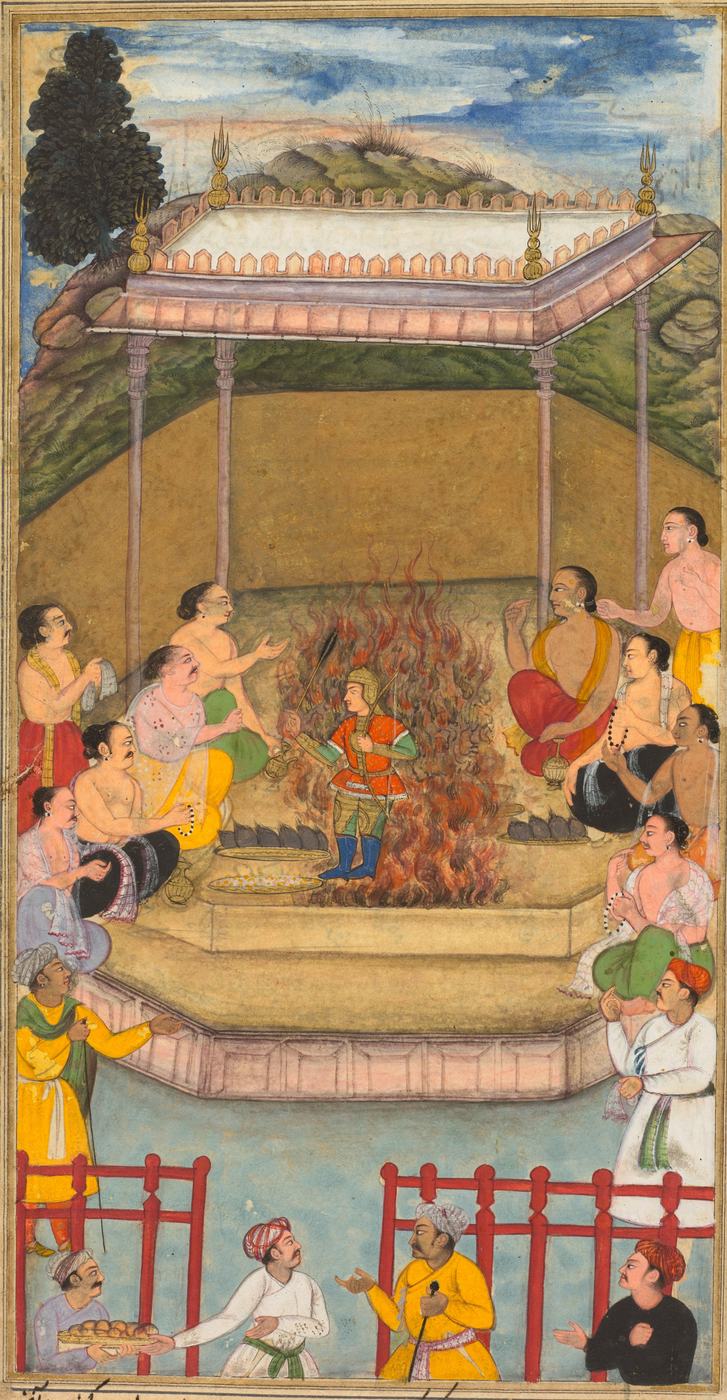
Yaja and Upayaja perform a sacrifice for the emergence of Dhrishtadyumna from the fire, from Adi-parva (volume one) of the Razm-nama (Book of Wars) adapted and translated into Persian by Mir Ghiyath al-Din Ali Qazvini, known as Naqib Khan (Persian, d. 1614) from the Sanskrit Mahabharata, 1598. Cleveland Museum of Art, CC0.
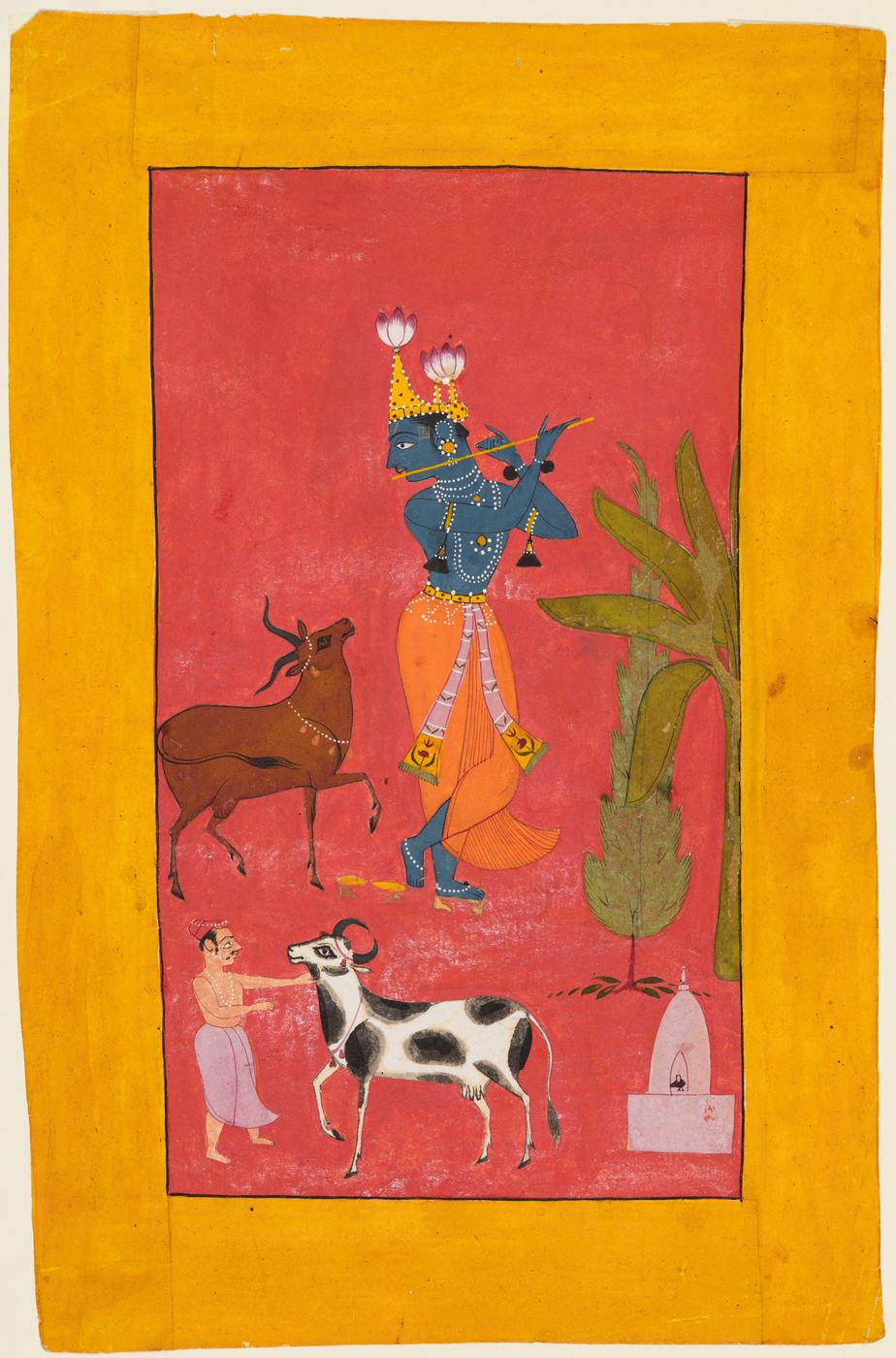
Krishna Fluting, c. 1675–1700. Cleveland Museum of Art, CC0.
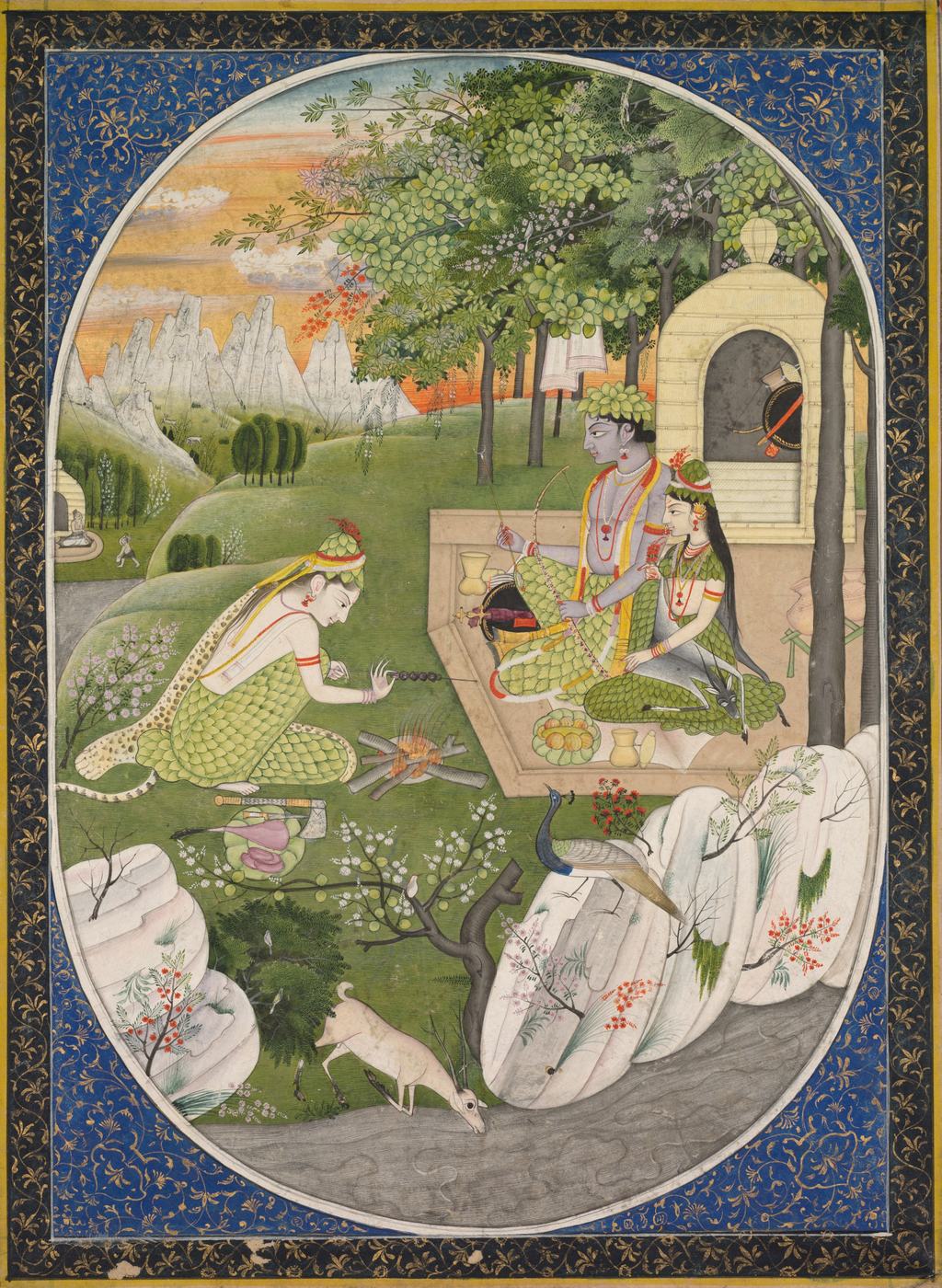
Rama, Sita, and Lakshmana in the forest, c. 1830. Cleveland Museum of Art, CC0.
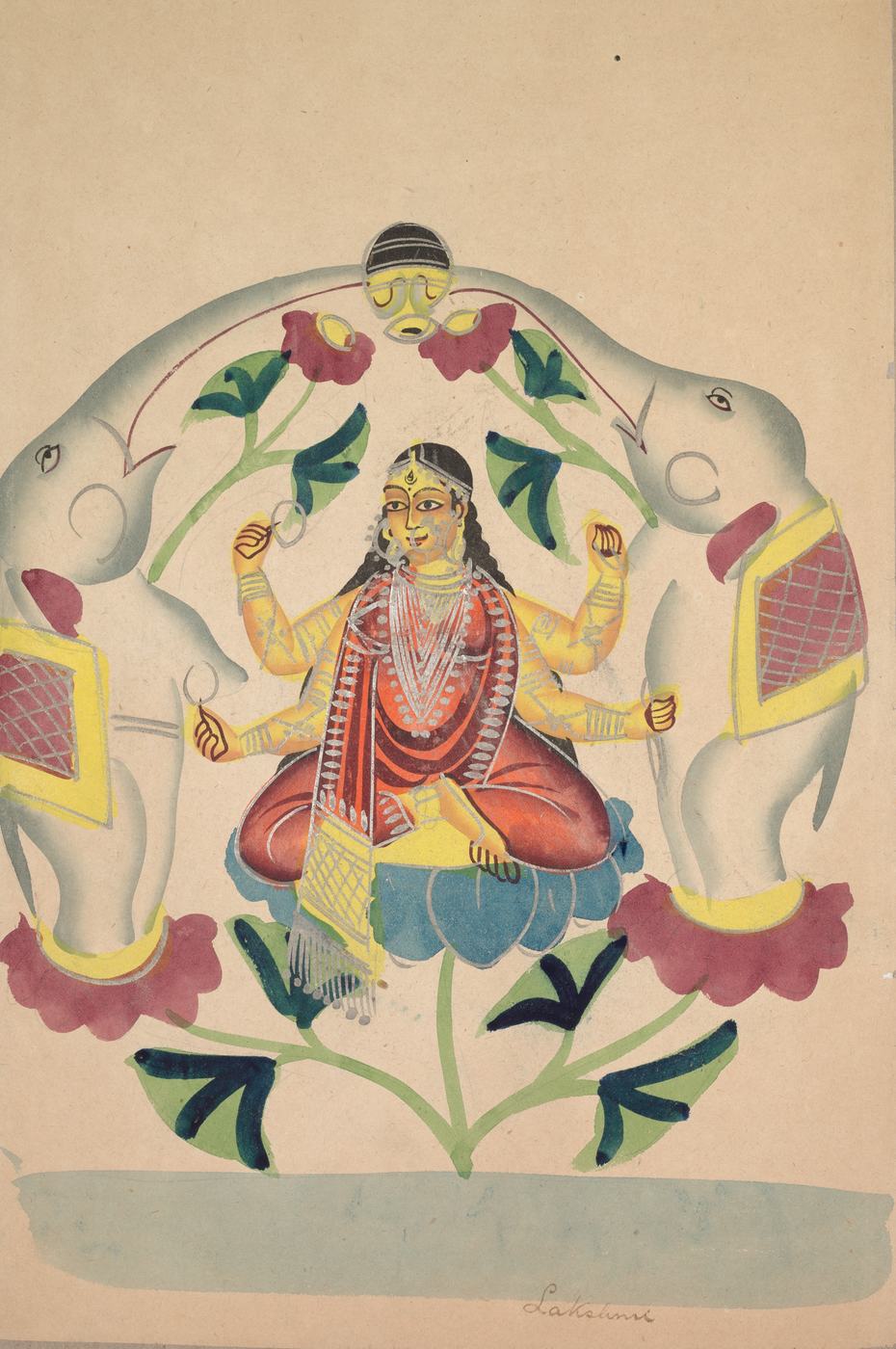
Gajalakshmi: Lakshmi with Elephants, c. 1890. Cleveland Museum of Art, CC0.
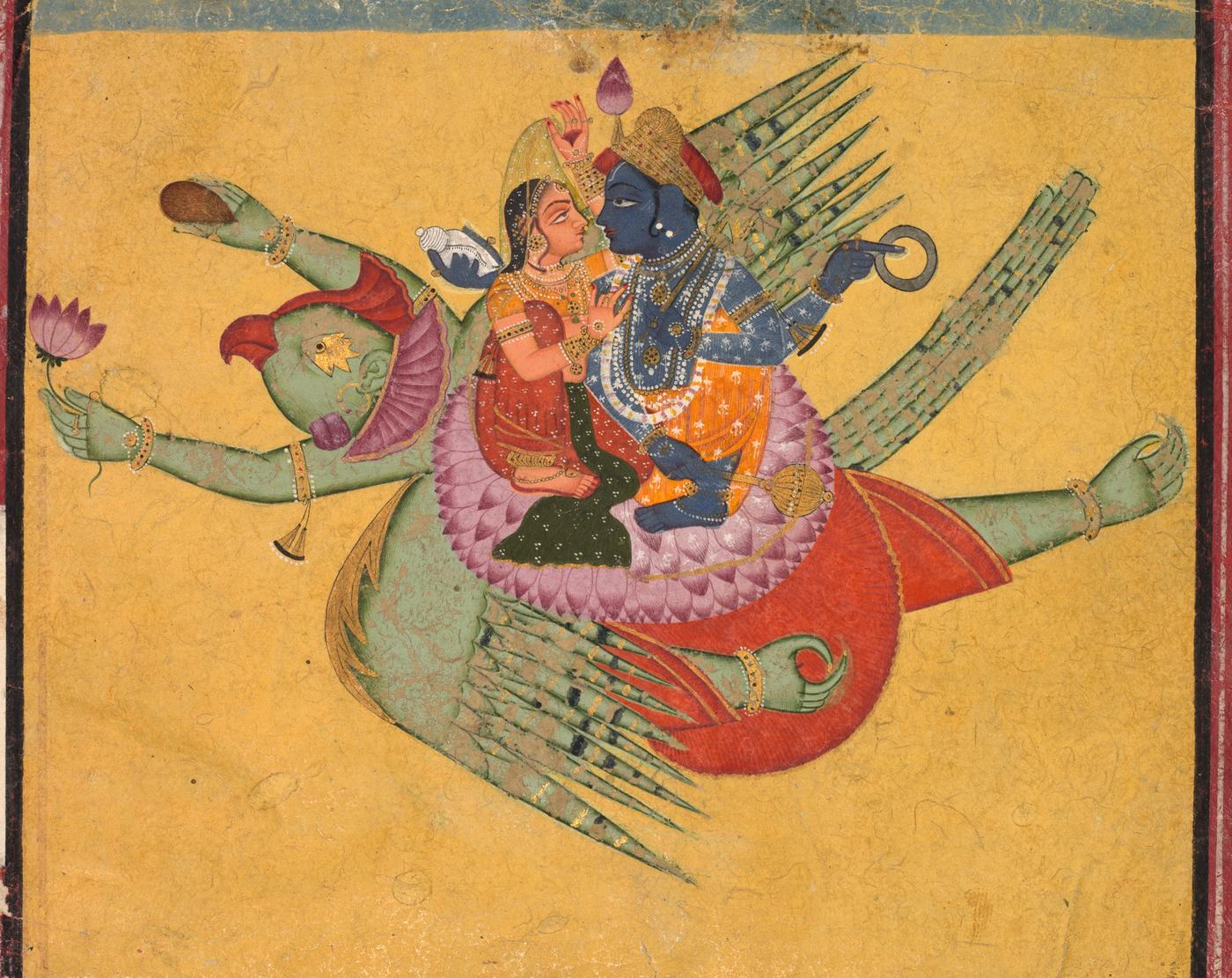
Vishnu and Lakshmi on Garuda, c. 1750
. Cleveland Museum of Art, CC0.
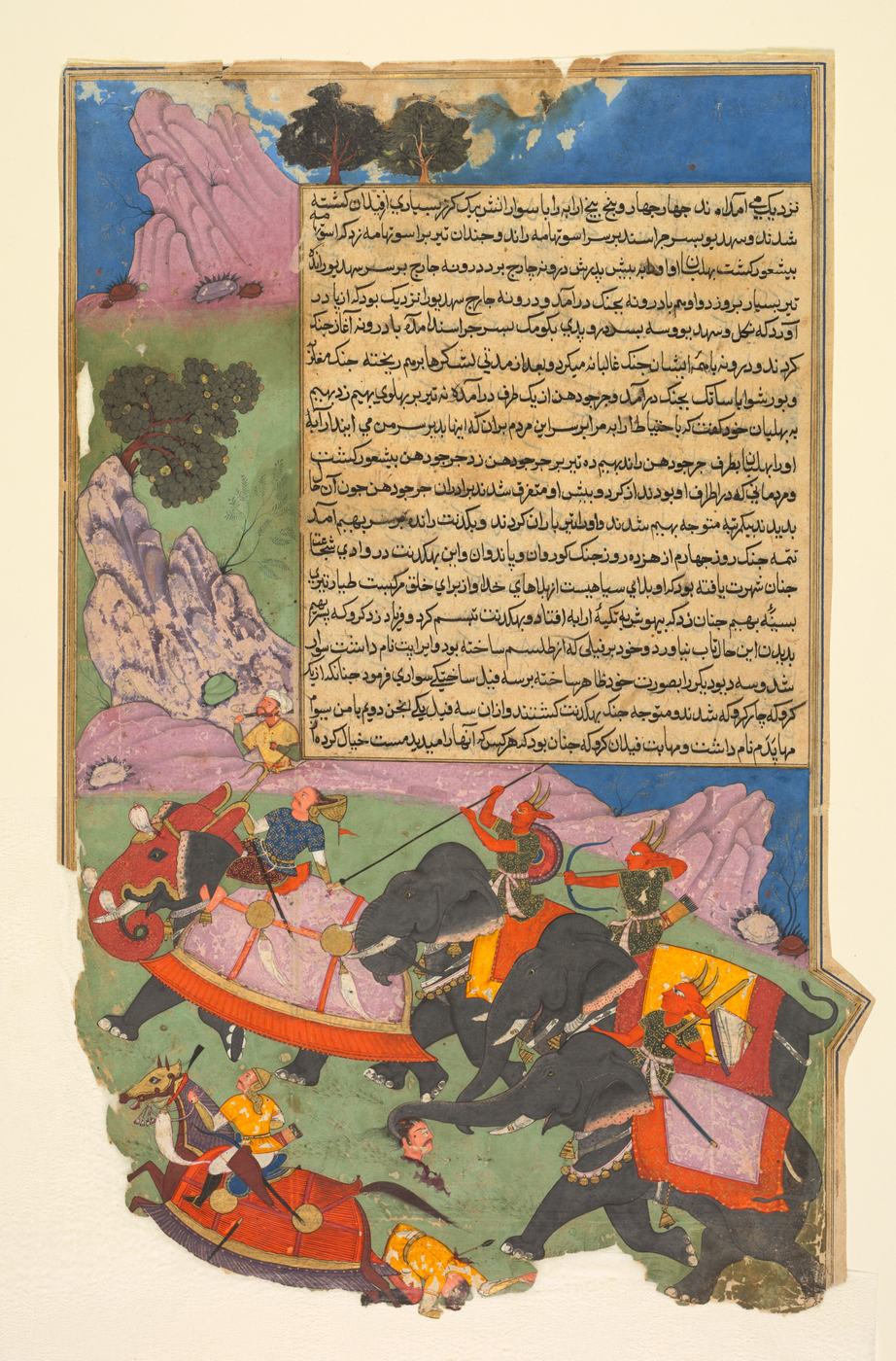
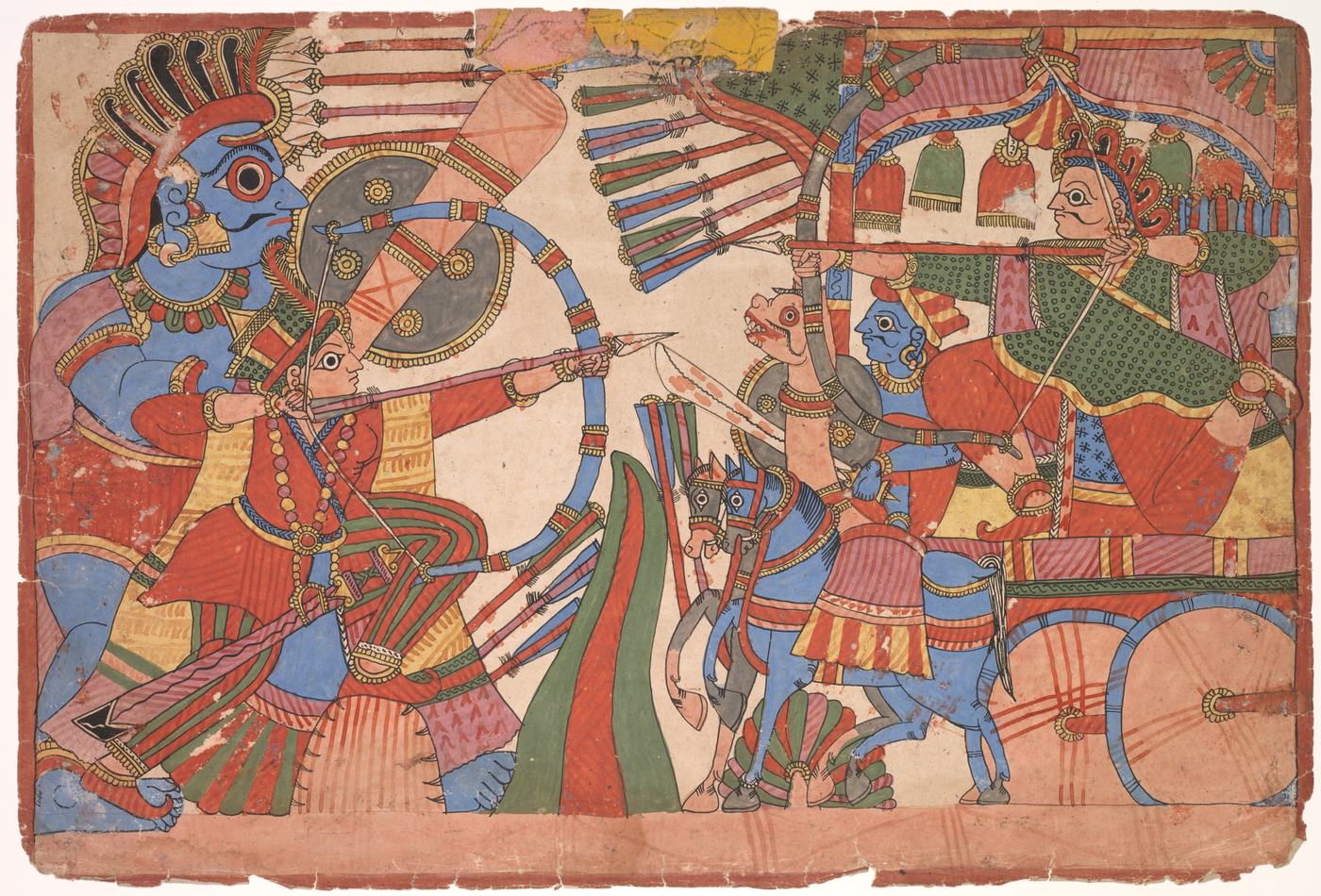
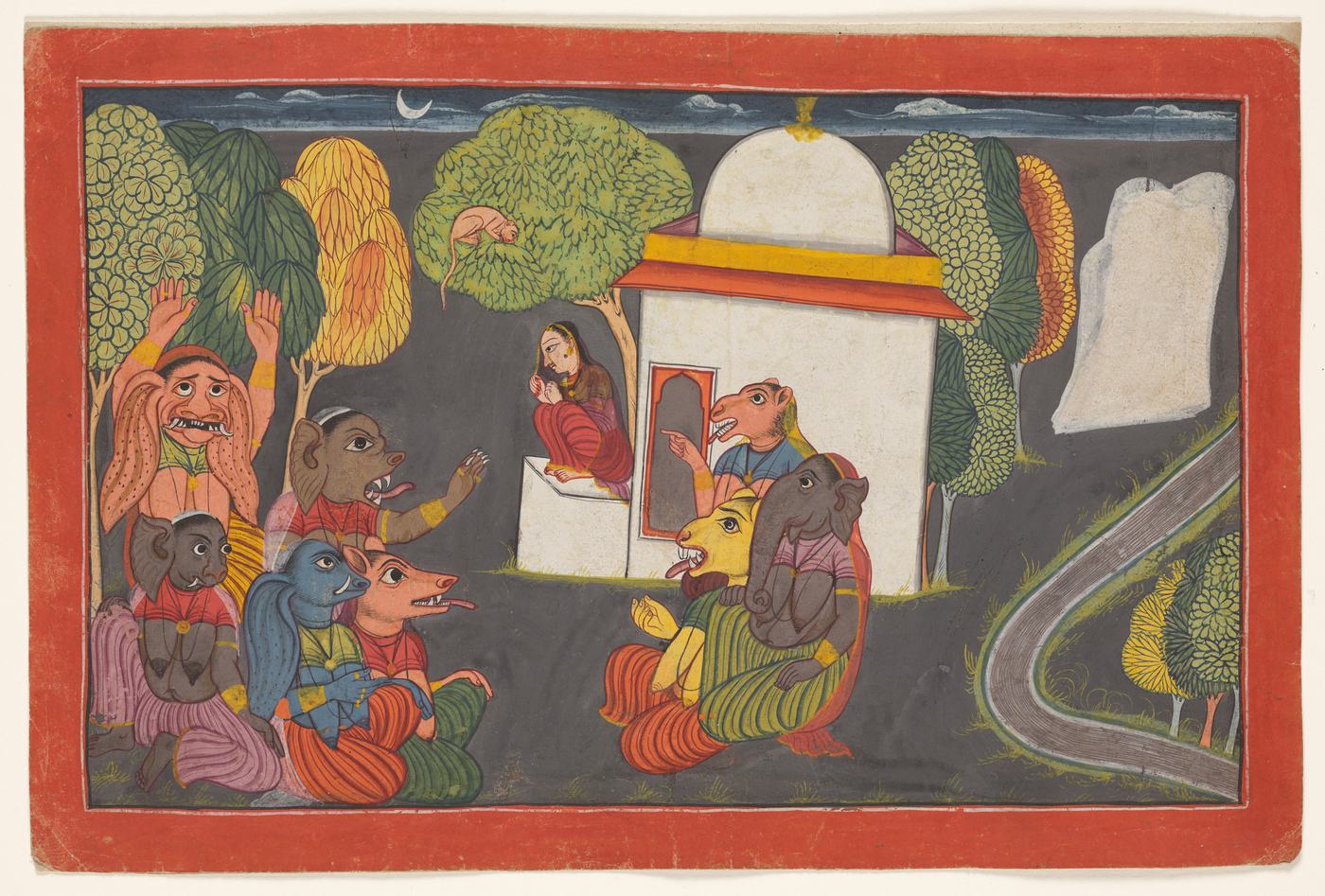
Ghatotkacha and three demons in his company chase Bhagadatta, from Bhishma-parva (volume six) of a Razm-nama (Book of Wars) adapted from the Sanskrit Mahabharata and translated into Persian by Mir Ghiyath al-Din Ali Qazvini, known as Naqib Khan (Persian, d. 1614), 1616–17. Cleveland Museum of Art, CC0.
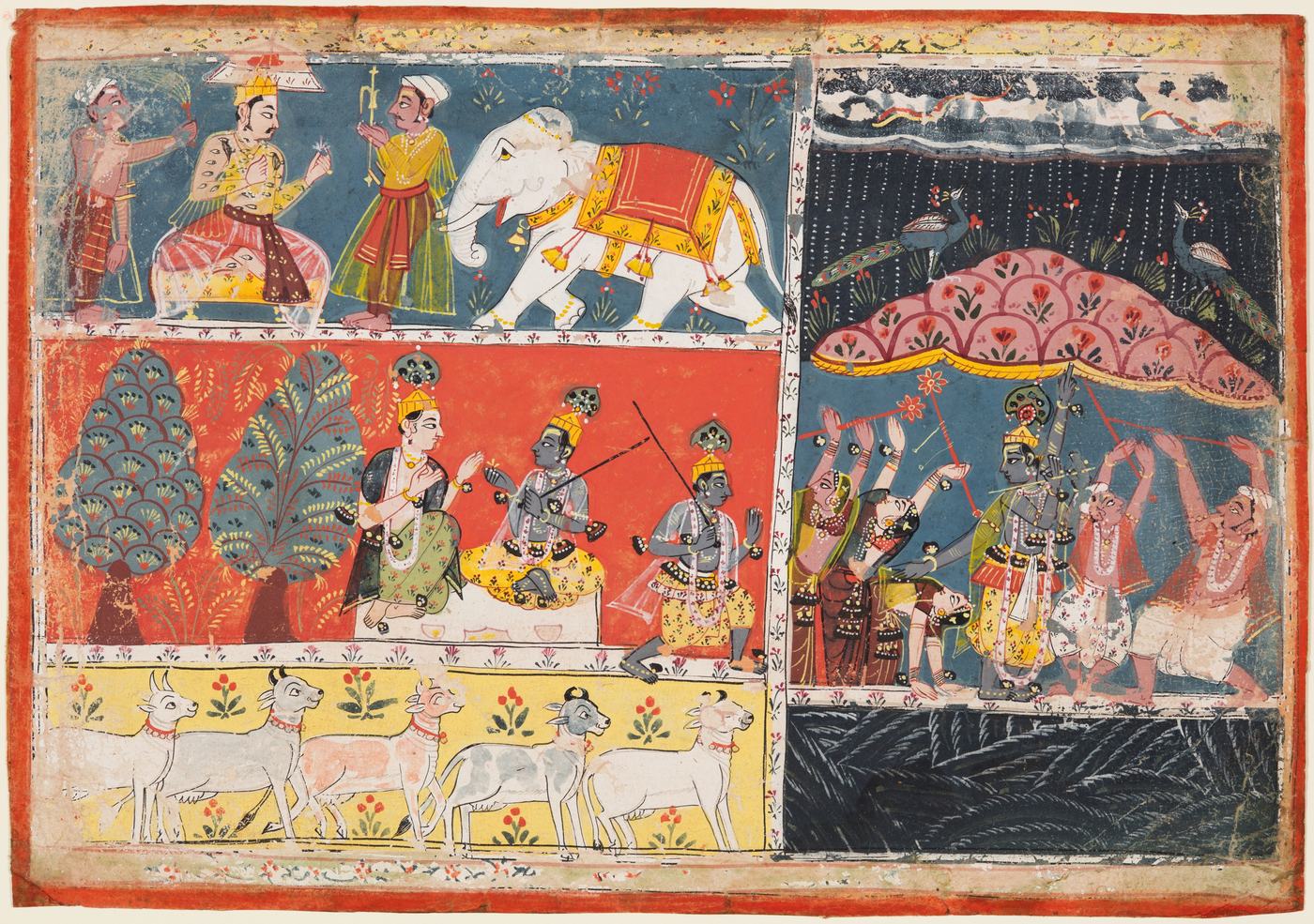
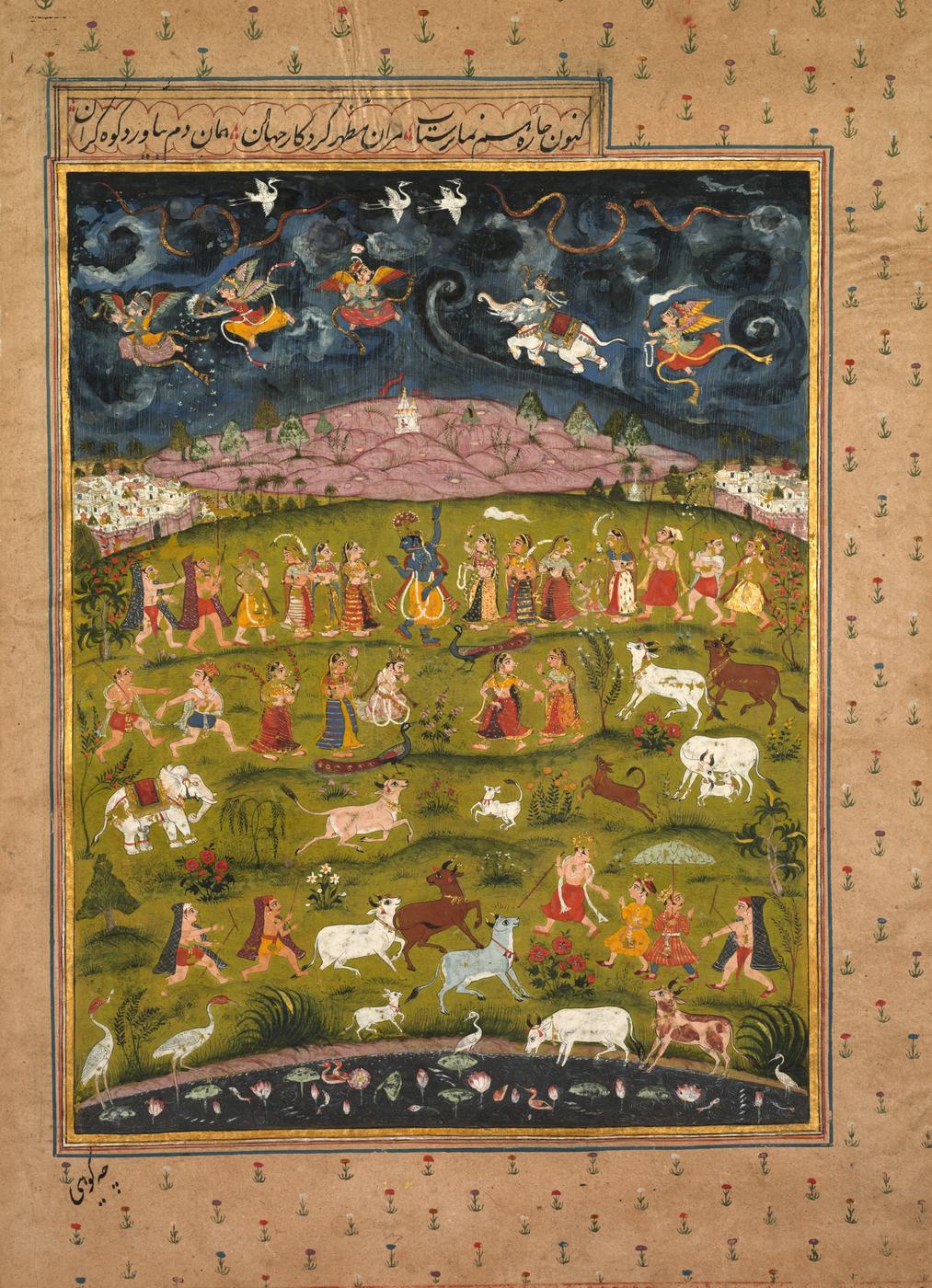
Krishna Lifting Mount Govardhan, c. 1780–90. Cleveland Museum of Art, CC0.
Krishna Lifts Mount Govardhan, from a Bhagavata Purana, 1686. Cleveland Museum of Art, CC0.
Krishna Lifting Mount Govardhan, from a Persian translation of the Bhagavata Purana, c. 1625, 1700s. Cleveland Museum of Art, CC0.
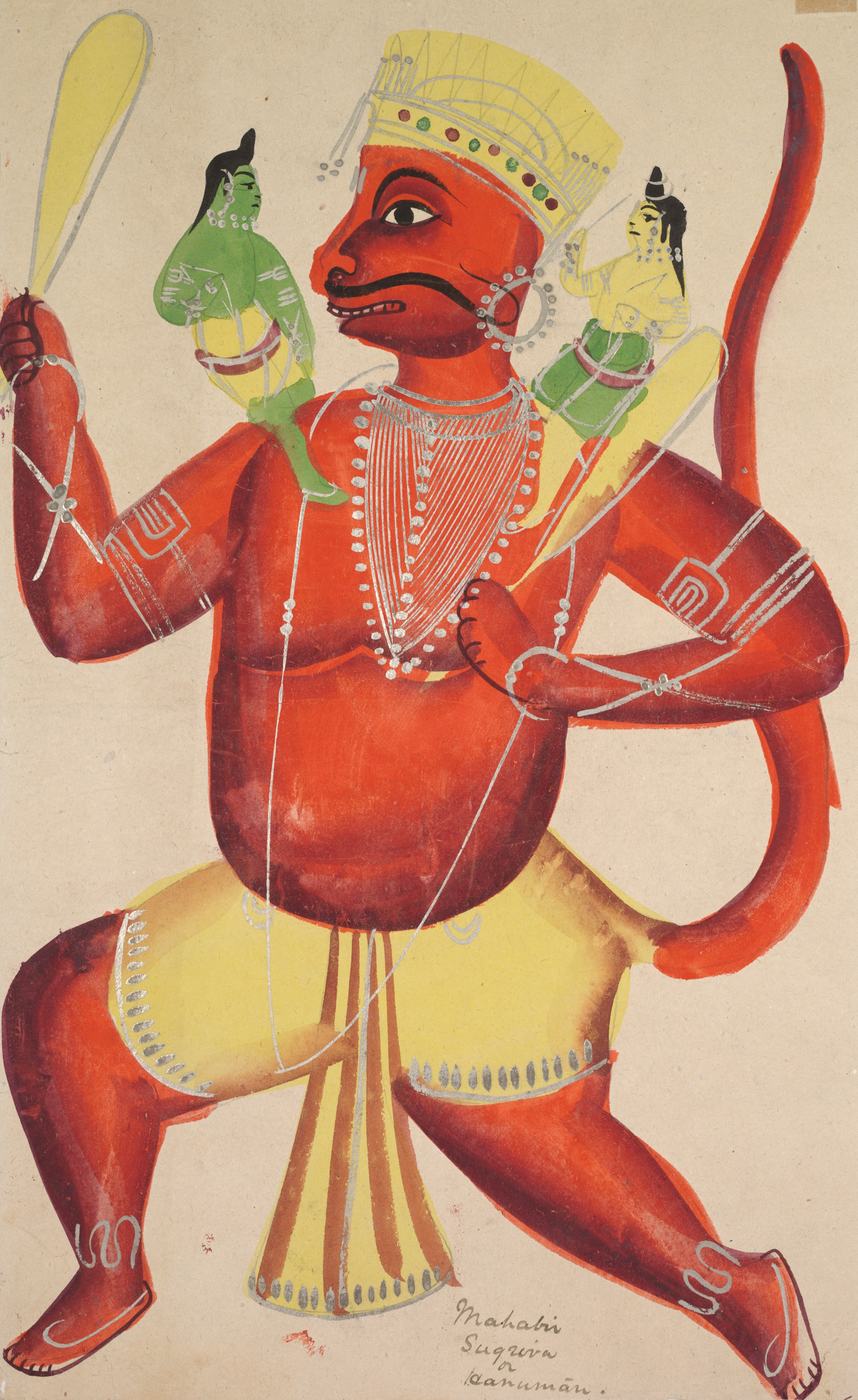
Hanuman with Rama and Lakshmana on his shoulders, from a Kalighat album, c. 1890. Cleveland Museum of Art, CC0.
Hanuman spies Sita in the Ashoka Grove, from the “Shangri” Ramayana, c. 1700–25. Cleveland Museum of Art, CC0.
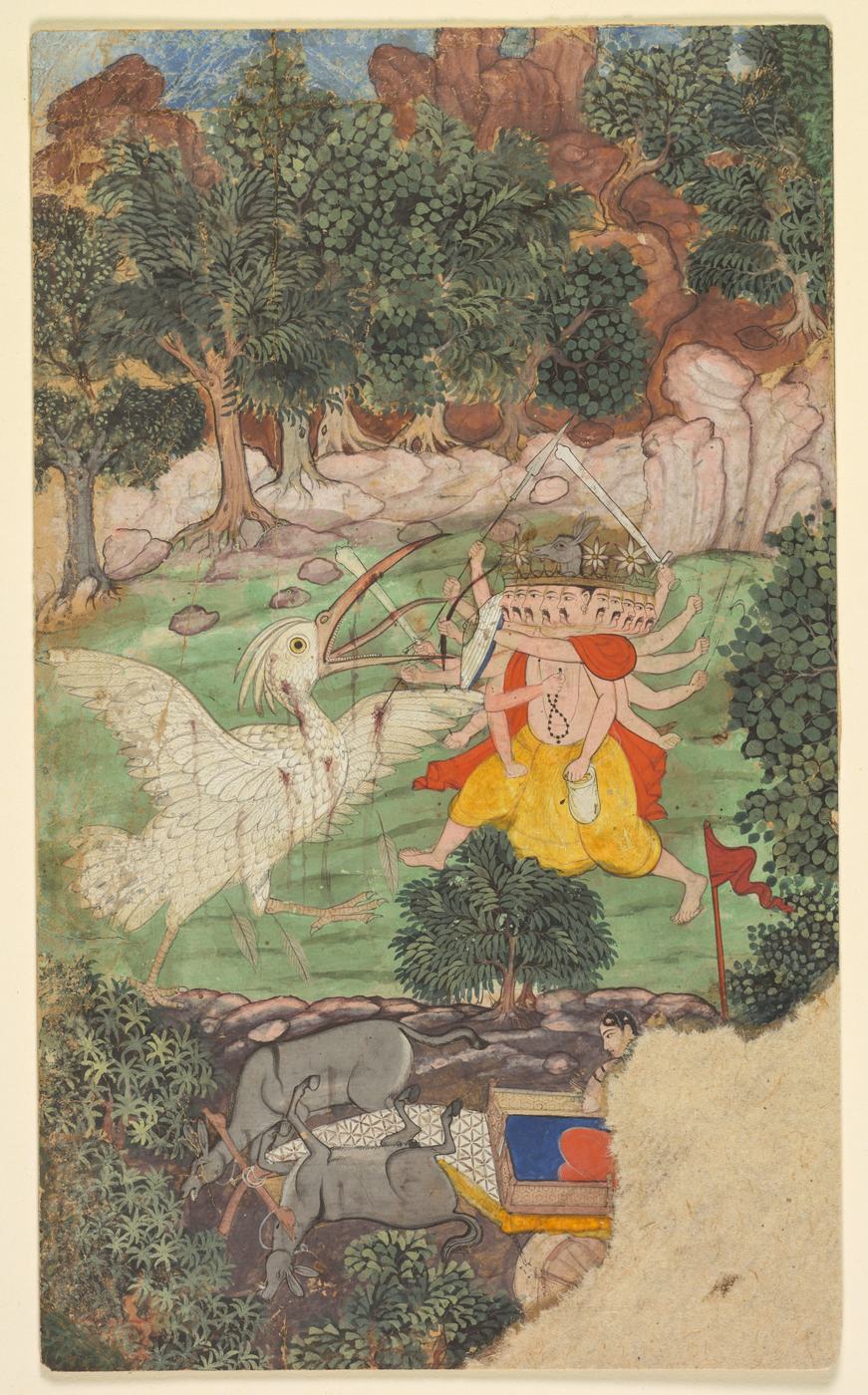
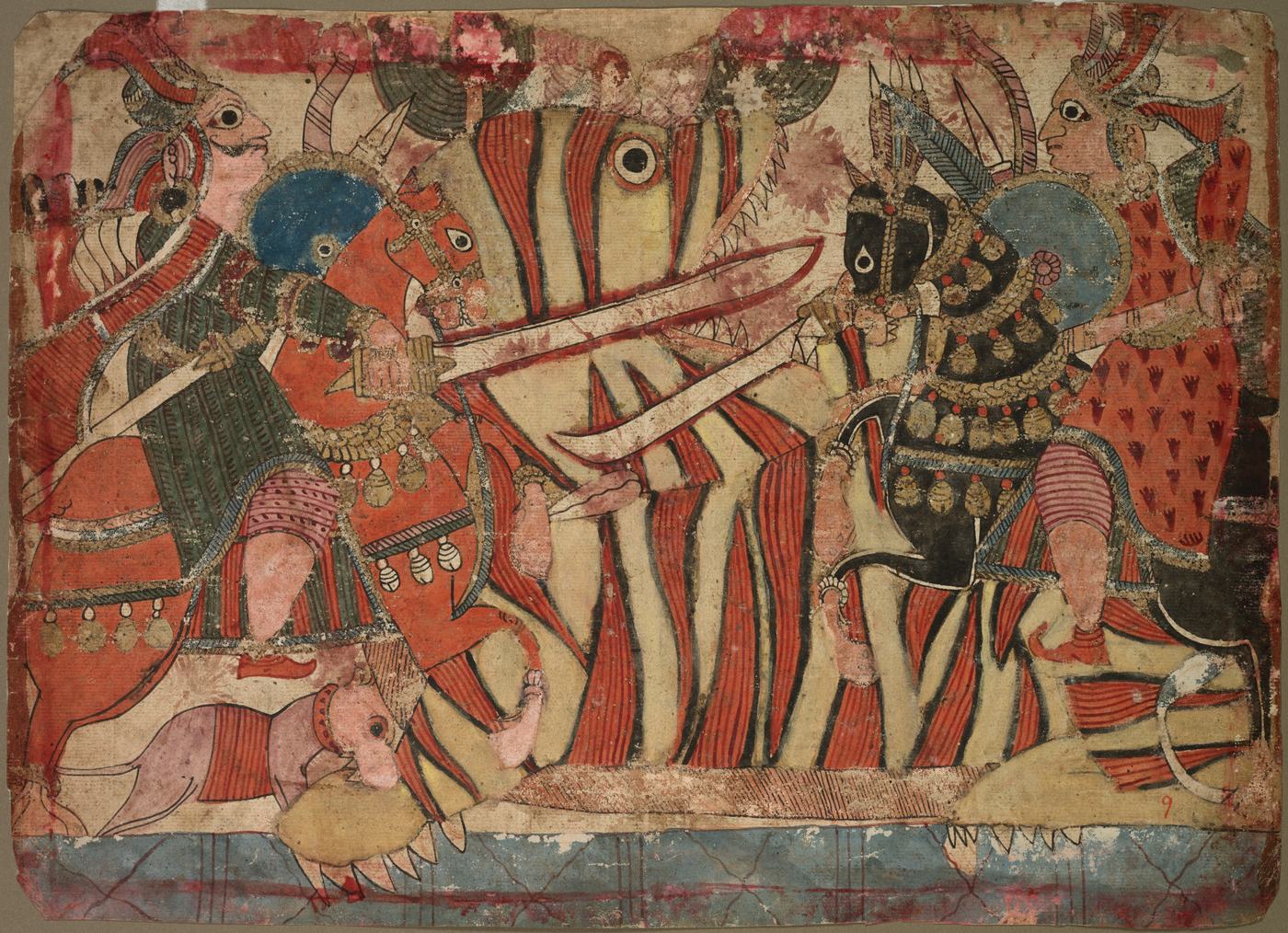
Battle of Ravana and Jatayu, from Chapters 50 and 51 of the Aranya Kanda (Book of the Forest) of Valmiki's Ramayana (Rama’s Journey); folio from the "Burnt" Ramayana, c. 1605. Cleveland Museum of Art, CC0.
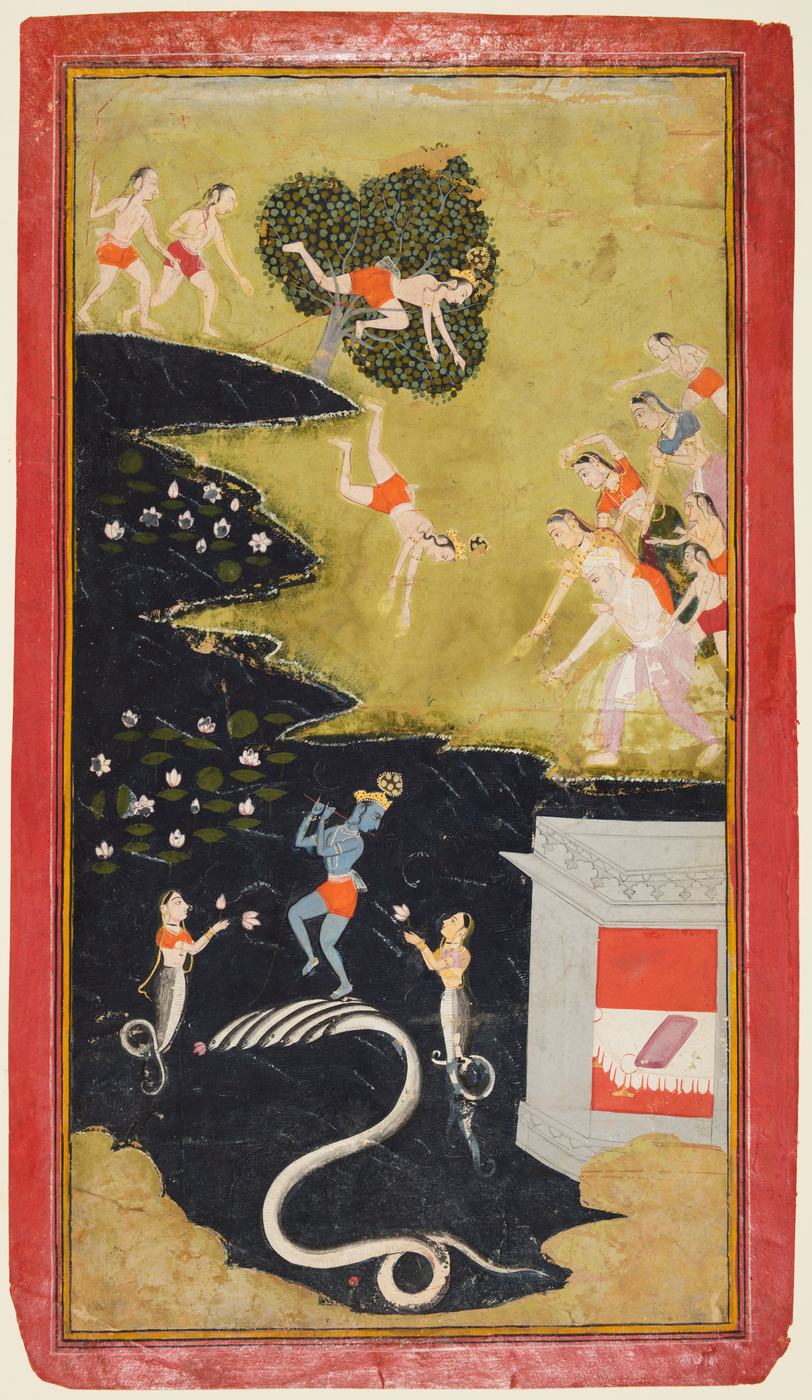
Krishna Quells the Serpent Kaliya, from a Bhagavata Purana, c. 1710. Cleveland Museum of Art, CC0.
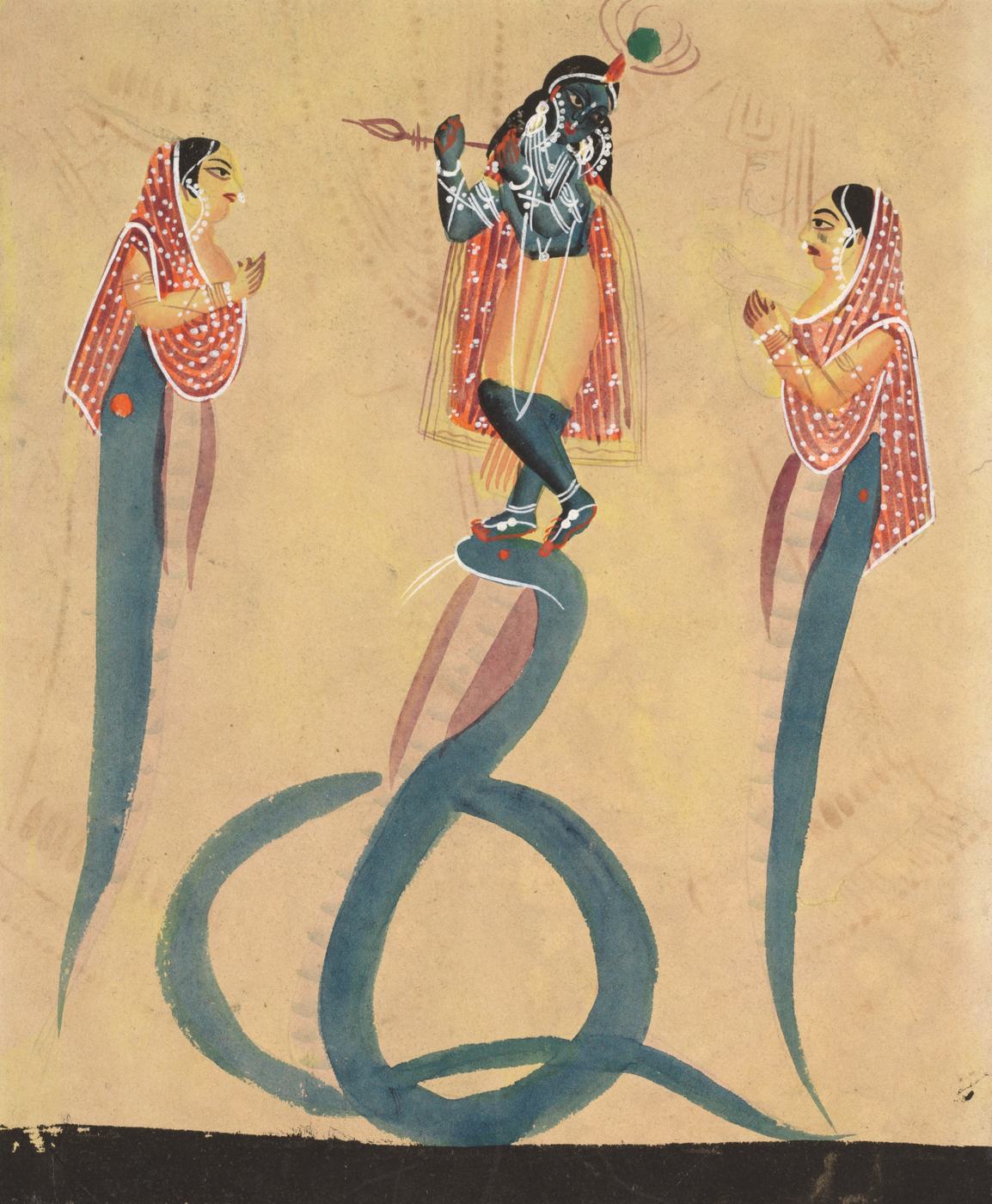
Krishna quells the serpent Kaliya (verso), from a Kalighat album, c. 1890. Cleveland Museum of Art, CC0.
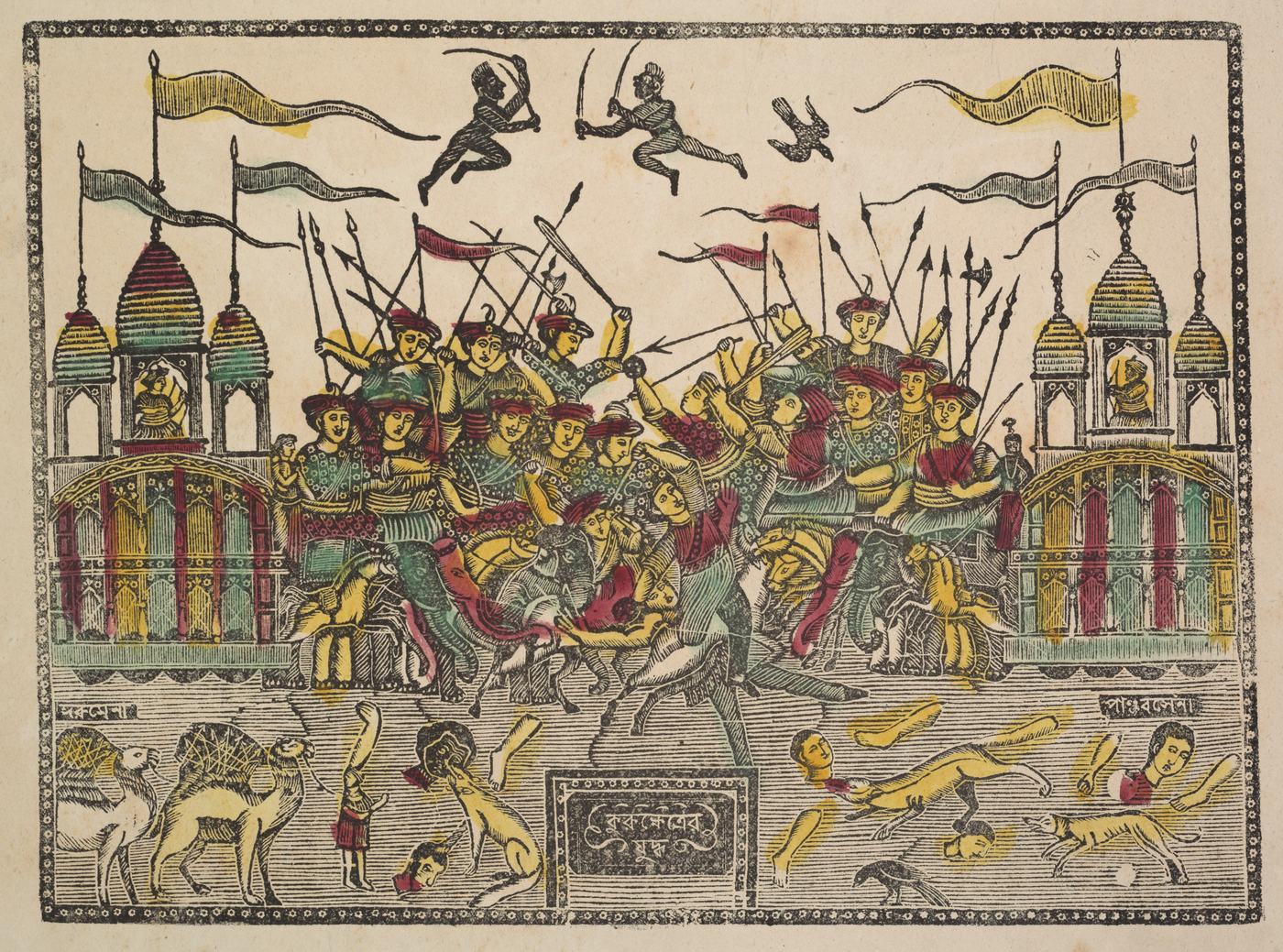
Battle Scene at Kurukshetra from the Mahabharata War (verso), from a Kalighat album, c. 1890. Cleveland Museum of Art, CC0.
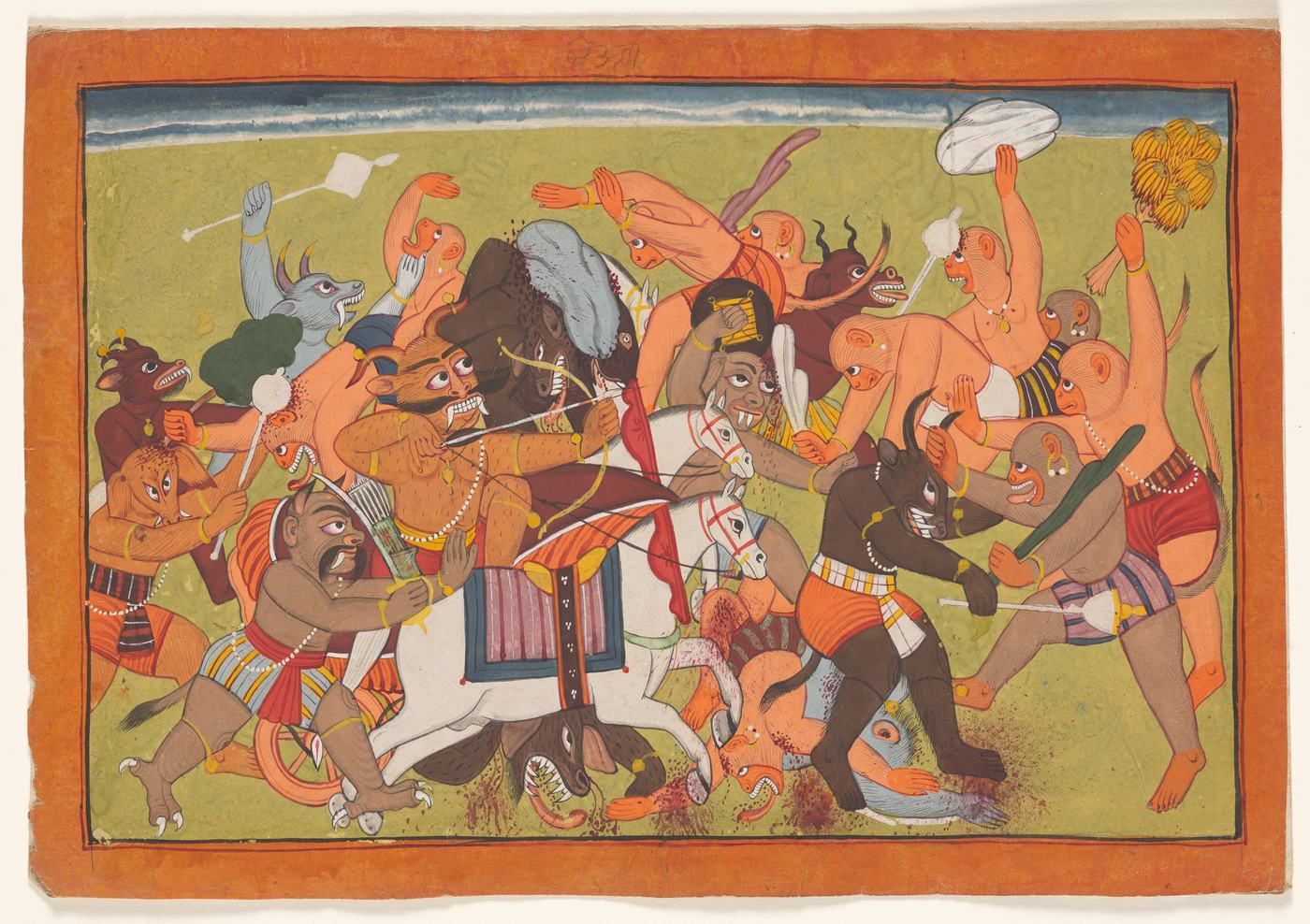
Battle between monkeys and demons, from the “Shangri” Ramayana, c. 1700. Cleveland Museum of Art, CC0.
Krishna’s longing for Radha, from a Gita Govinda (Song of the Cowherd) of Jayadeva, c. 1820–25. Cleveland Museum of Art, CC0.
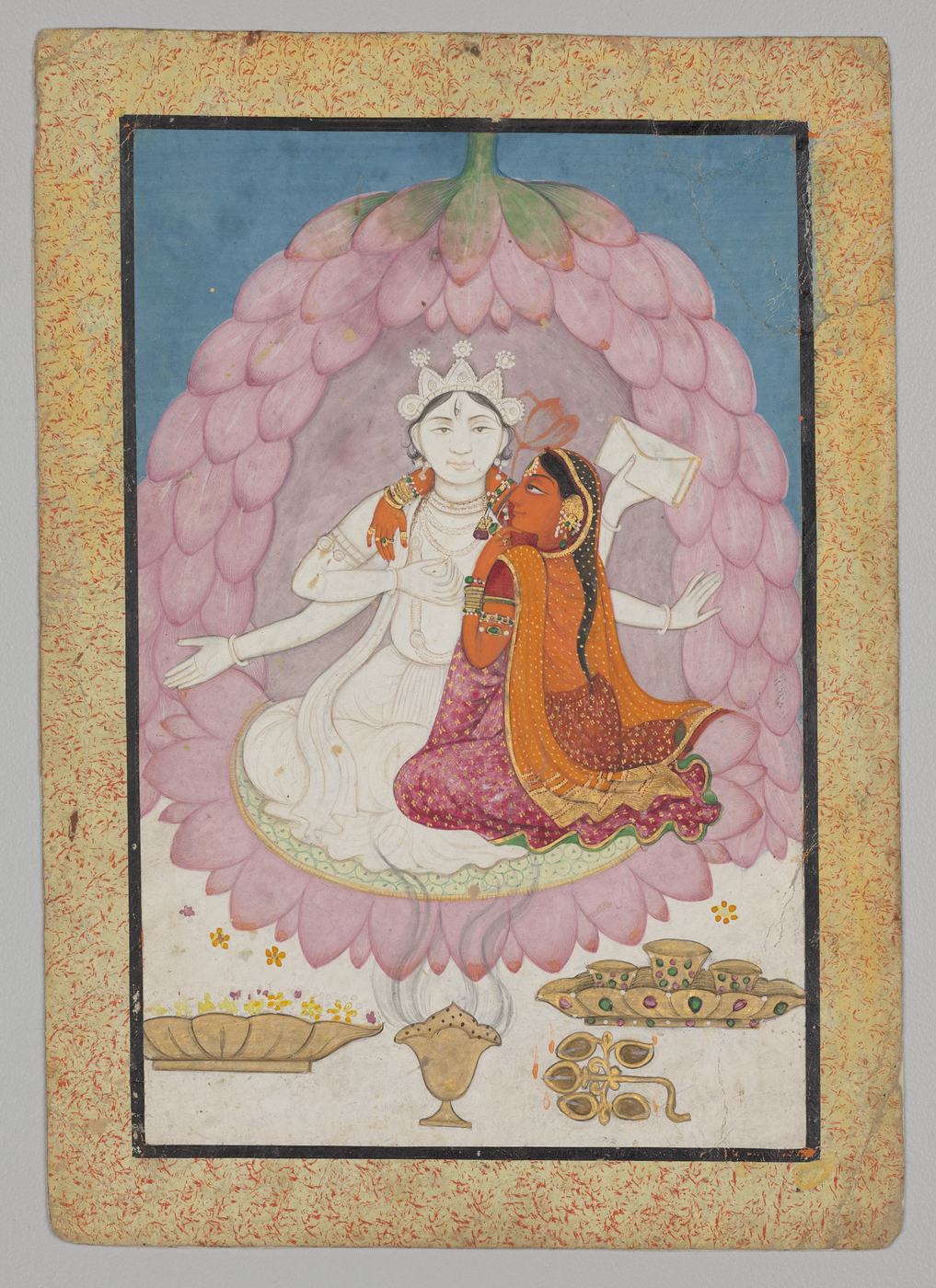
Divine couple seated in a lotus blossom, early 1800s. Cleveland Museum of Art, CC0.
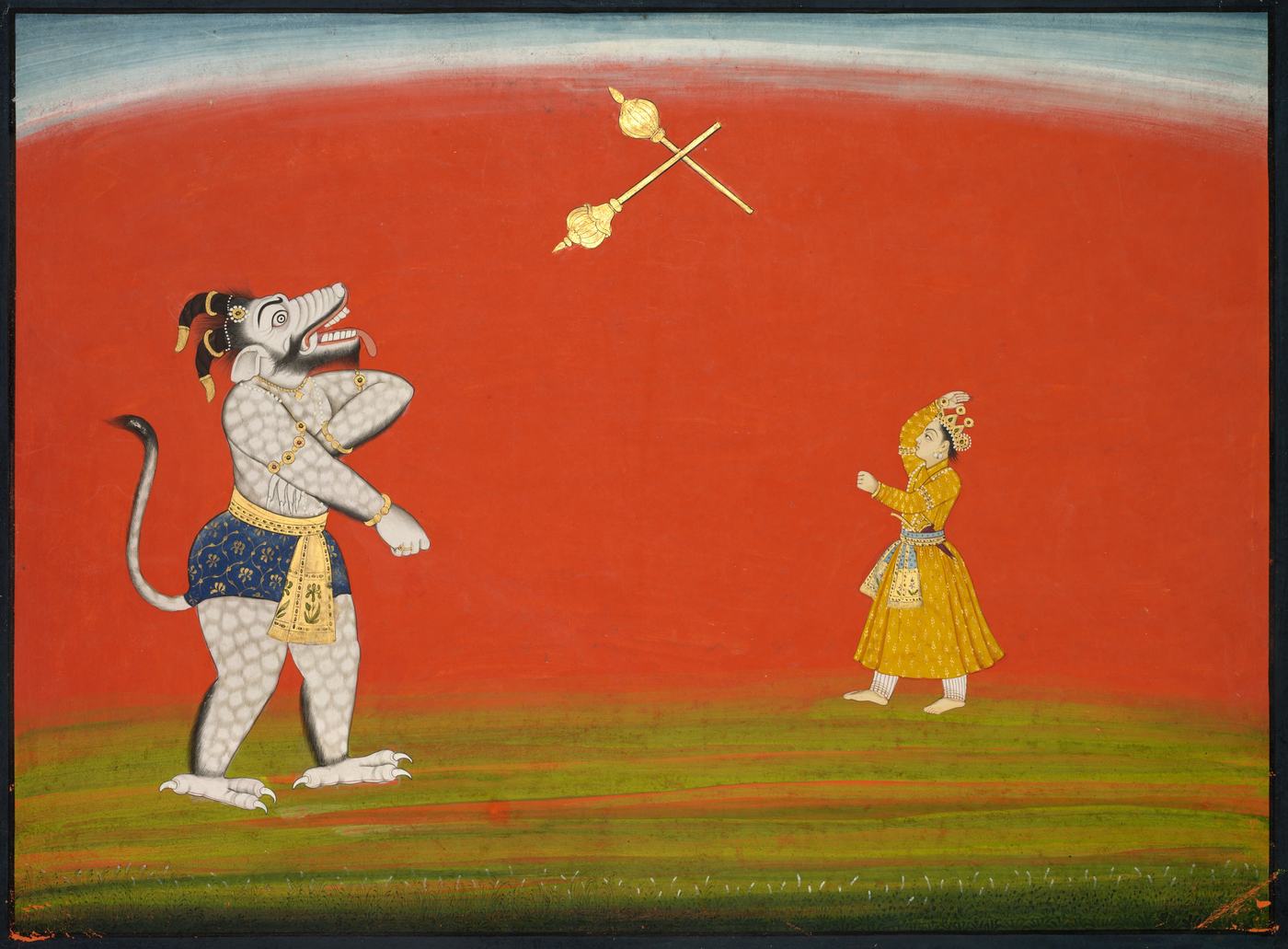
Pradyumna and Samvara fight with maces, from the "Large Basohli Bhagavata Purana", c. 1760–65. Cleveland Museum of Art, CC0.
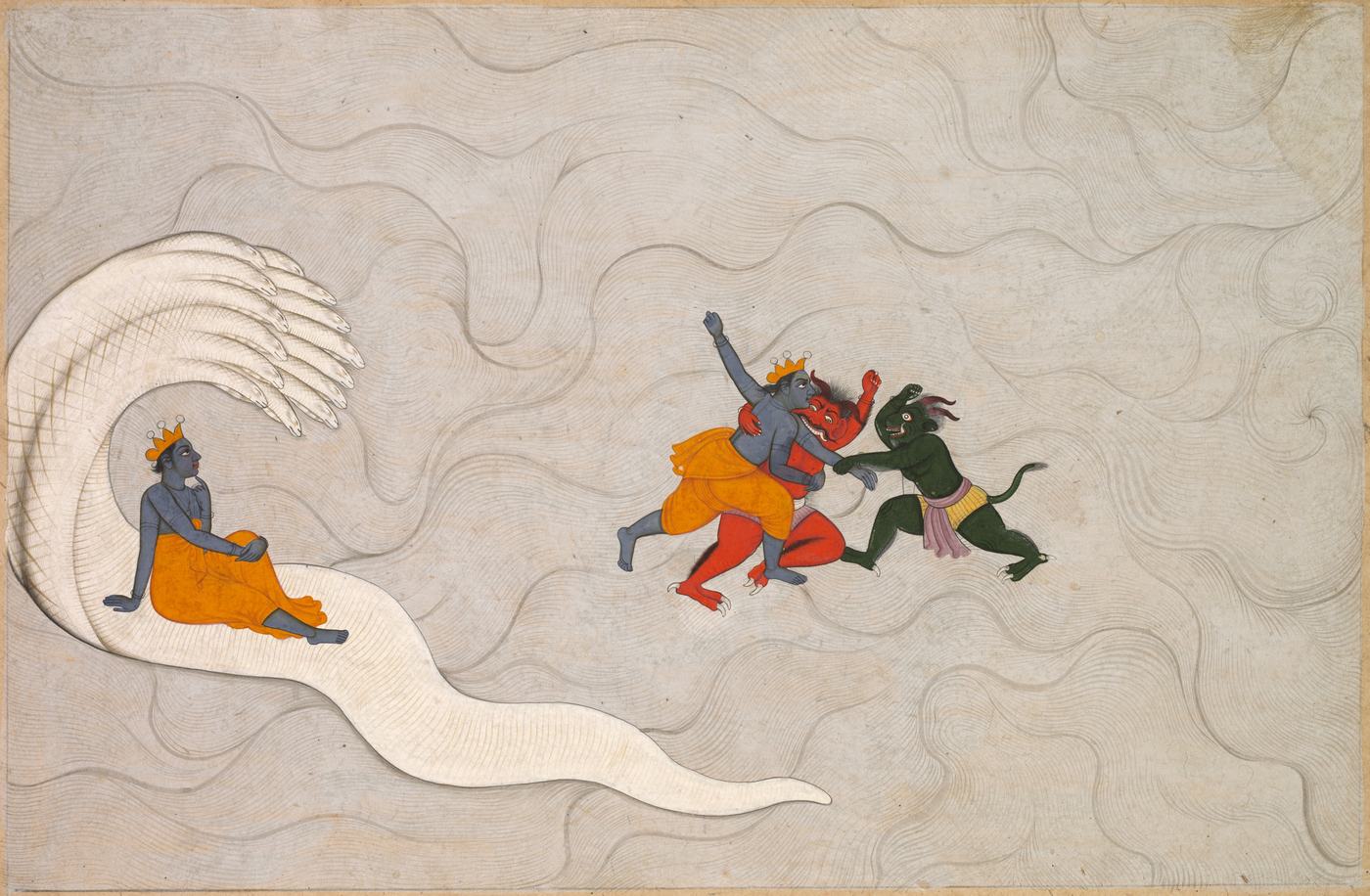
Vishnu Battles Madhu and Kaitabha, from a Markandeya Purana, c. 1760. Cleveland Museum of Art, CC0.
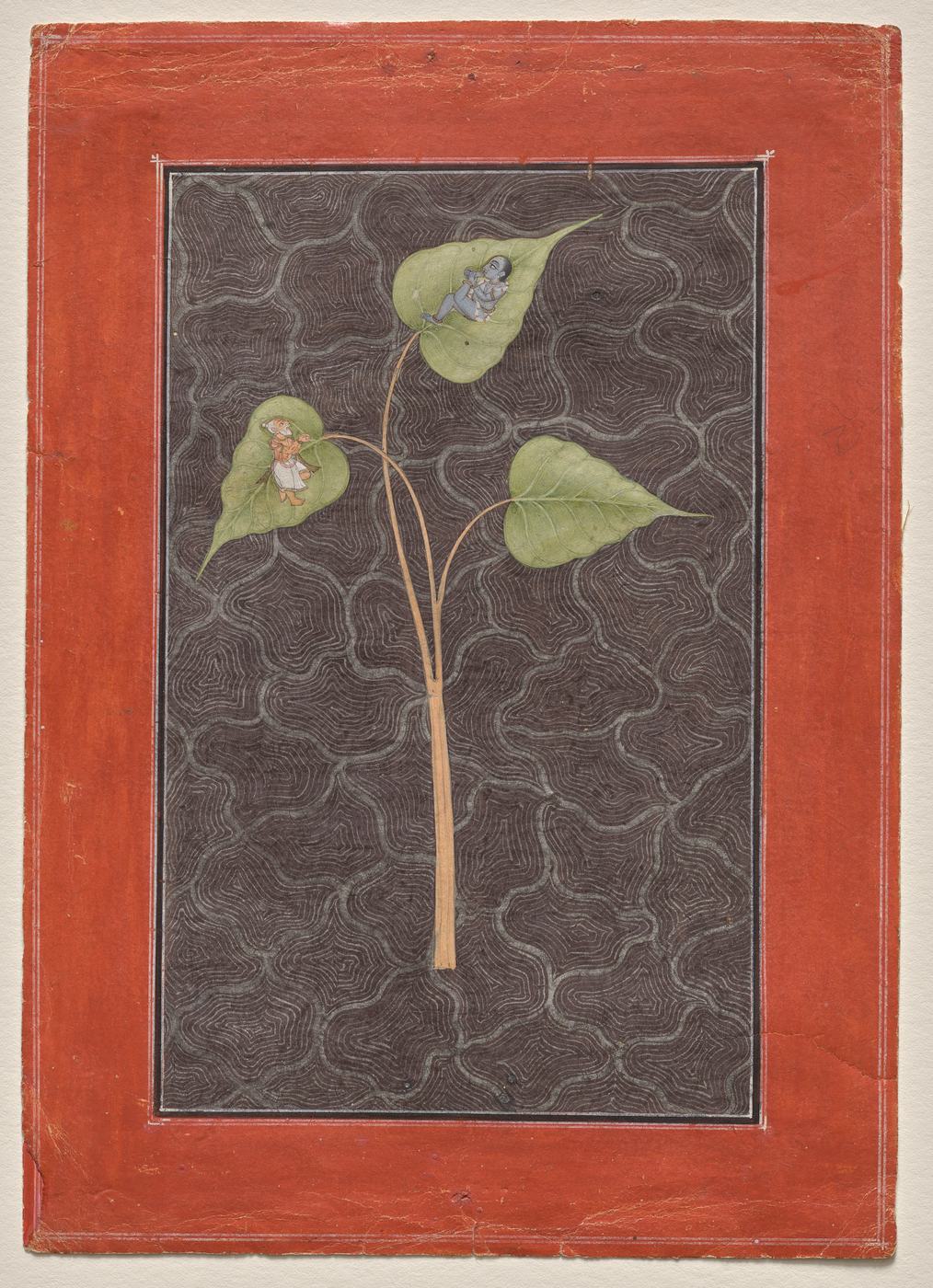
Markandeya Viewing Krishna in the Cosmic Ocean, c. 1680. Cleveland Museum of Art, CC0.
Illustration of the Mahabharata, c. 1800. Cleveland Museum of Art, CC0.
Illustration to the Mahabharata, c. 1800. Cleveland Museum of Art, CC0.
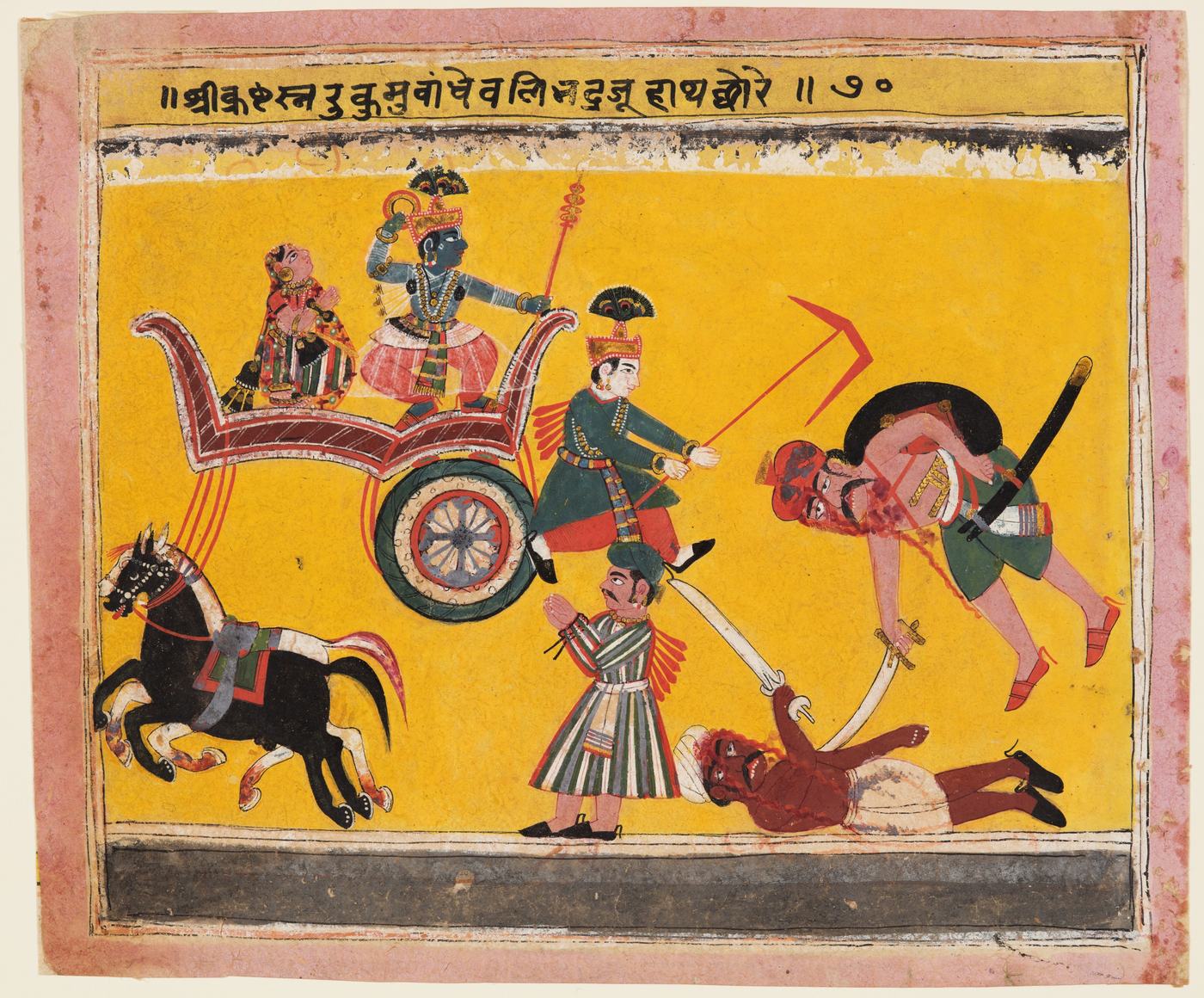
Krishna and Satyabhama Storm the Citadel of Naraka, folio 97 from a Bhagavata Purana, c. 1775. Cleveland Museum of Art, CC0.
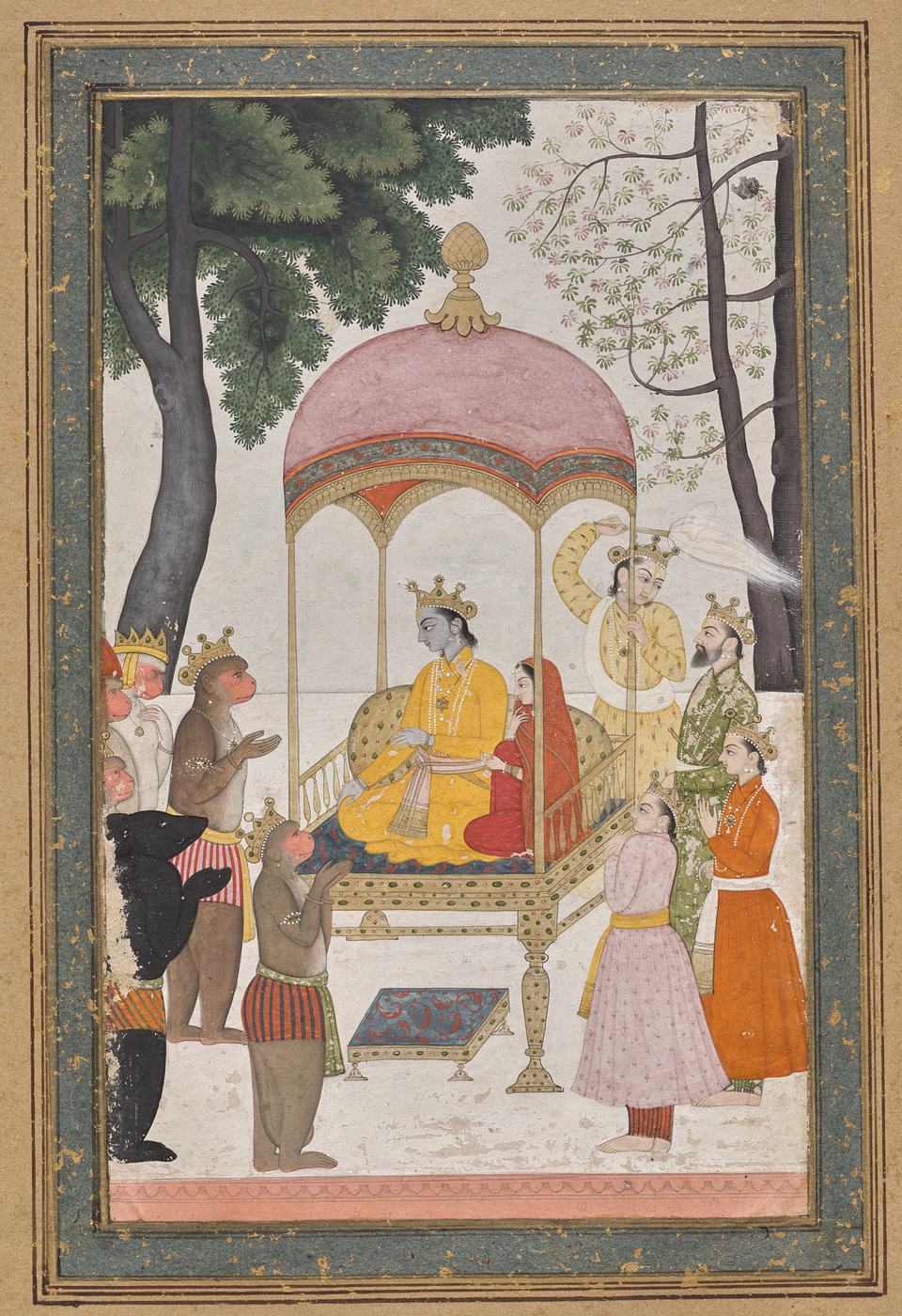
Enthroned Rama and Sita receive homage from their monkey and bear Allies, from the Yuddha Kanda (Book of the War) of a Ramayana (Rama’s Journey), c. 1765. Cleveland Museum of Art, CC0.
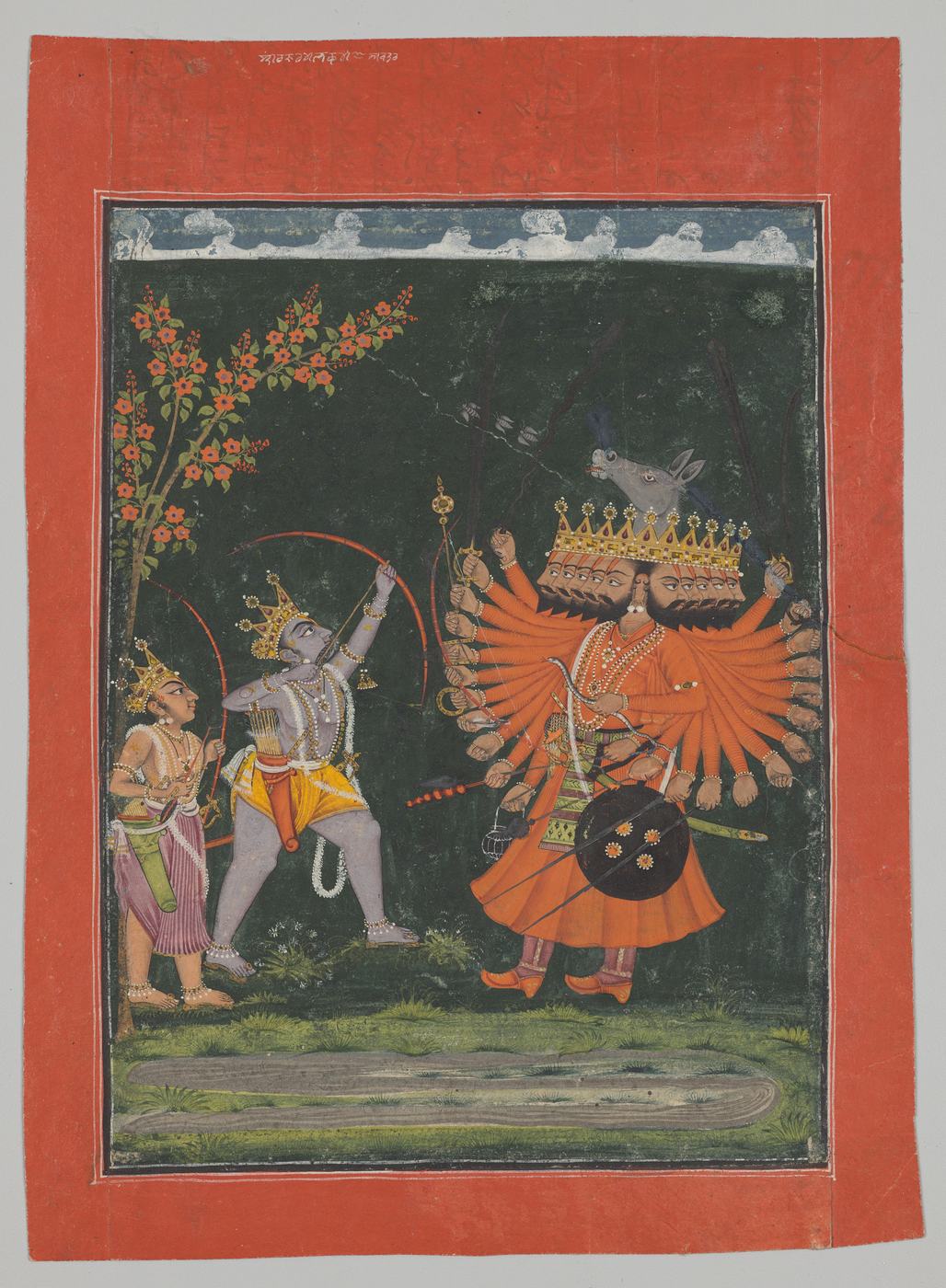
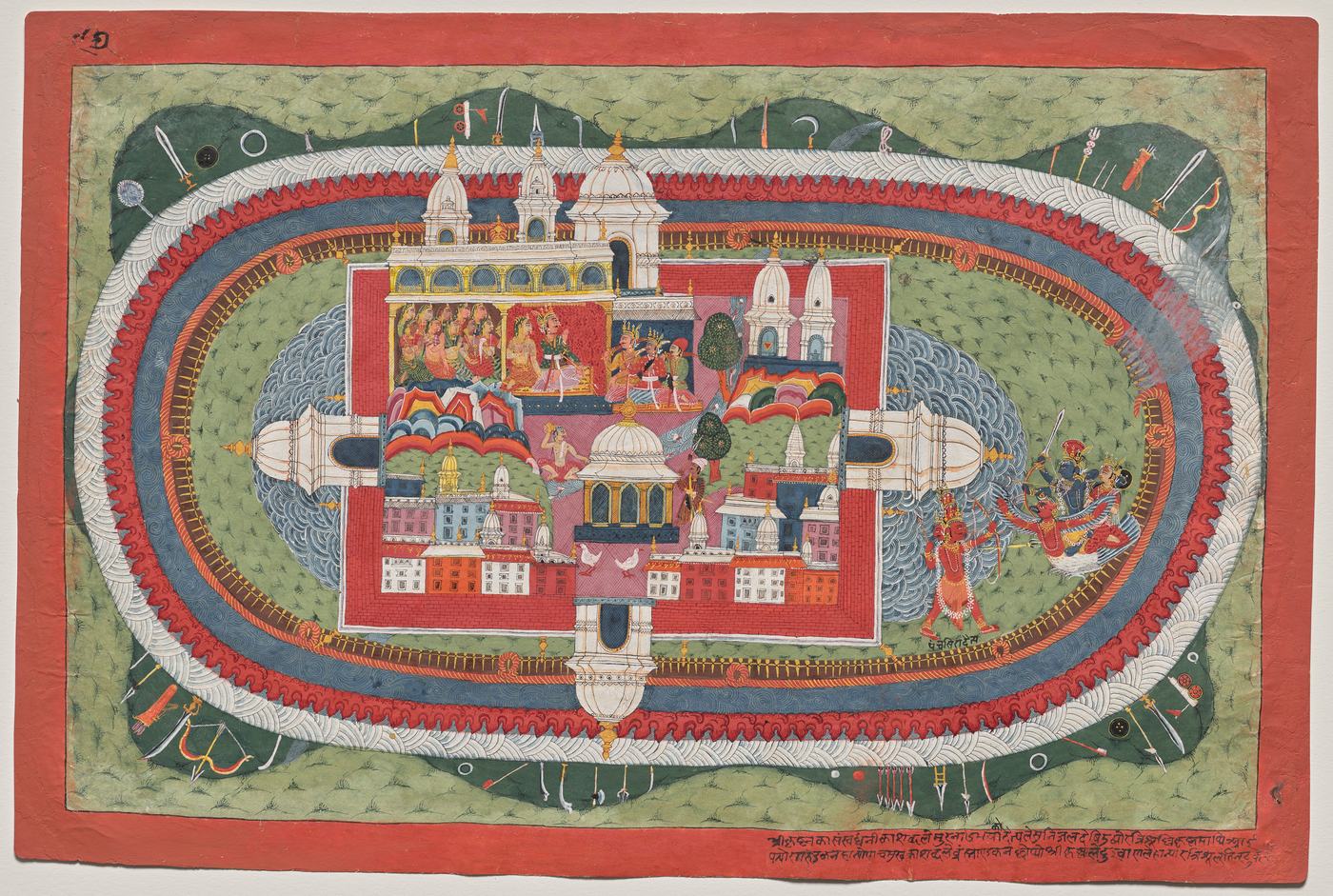
Rama and Lakshmana Fighting Ravana, from a Dashavatara (Ten Incarnations [of Vishnu]) series, c. 1765. Cleveland Museum of Art, CC0.
Krishna and the Gopis Gather for Rasamandala, c. 1720–30. Cleveland Museum of Art, CC0.
Abduction of Rukmini: Krishna Tied the Hands of Rukma, from a Bhagavata Purana, c. 1640. Cleveland Museum of Art, CC0.
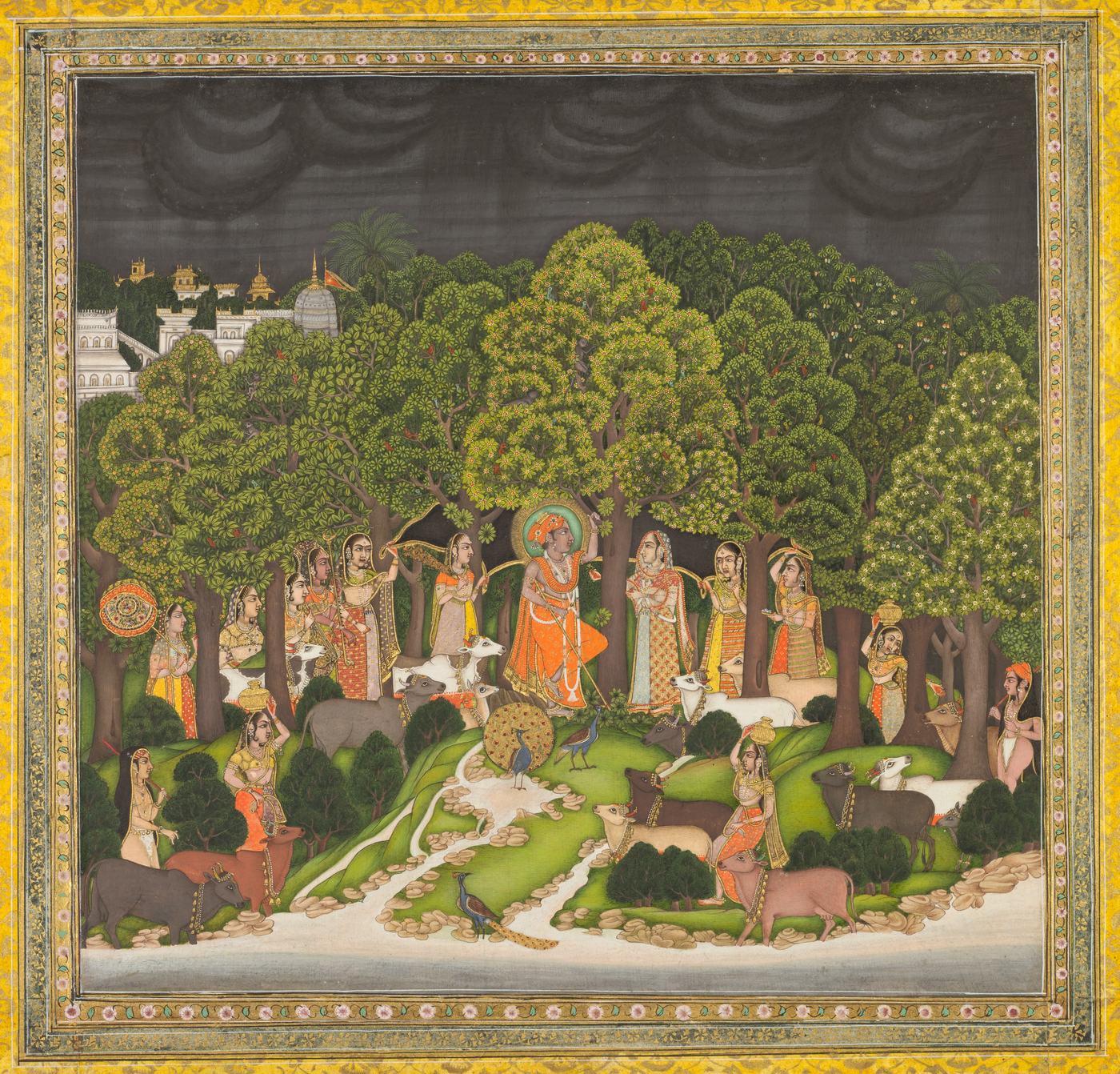
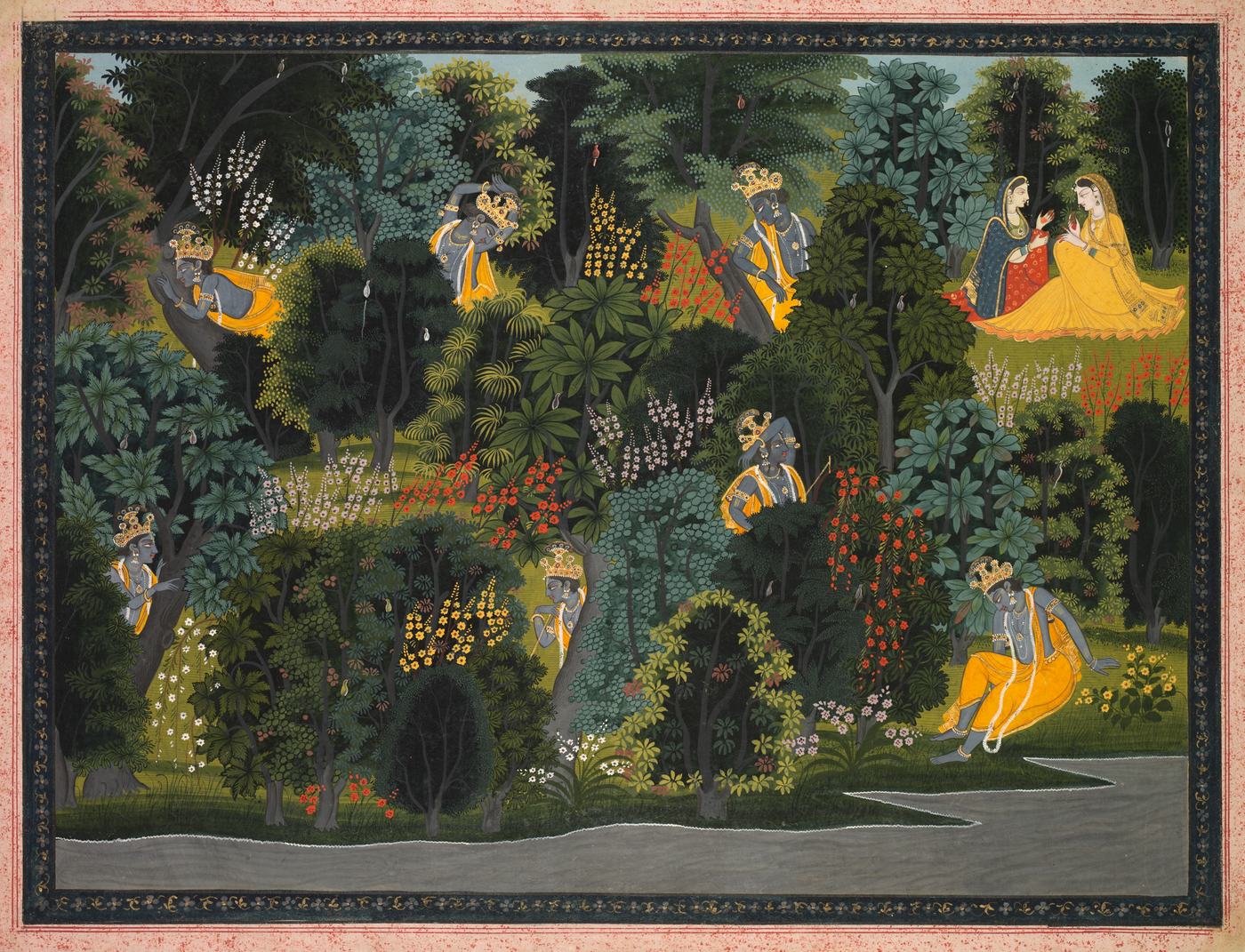
Radha and Krishna meet in the forest during a storm, c. 1770. Cleveland Museum of Art, CC0.
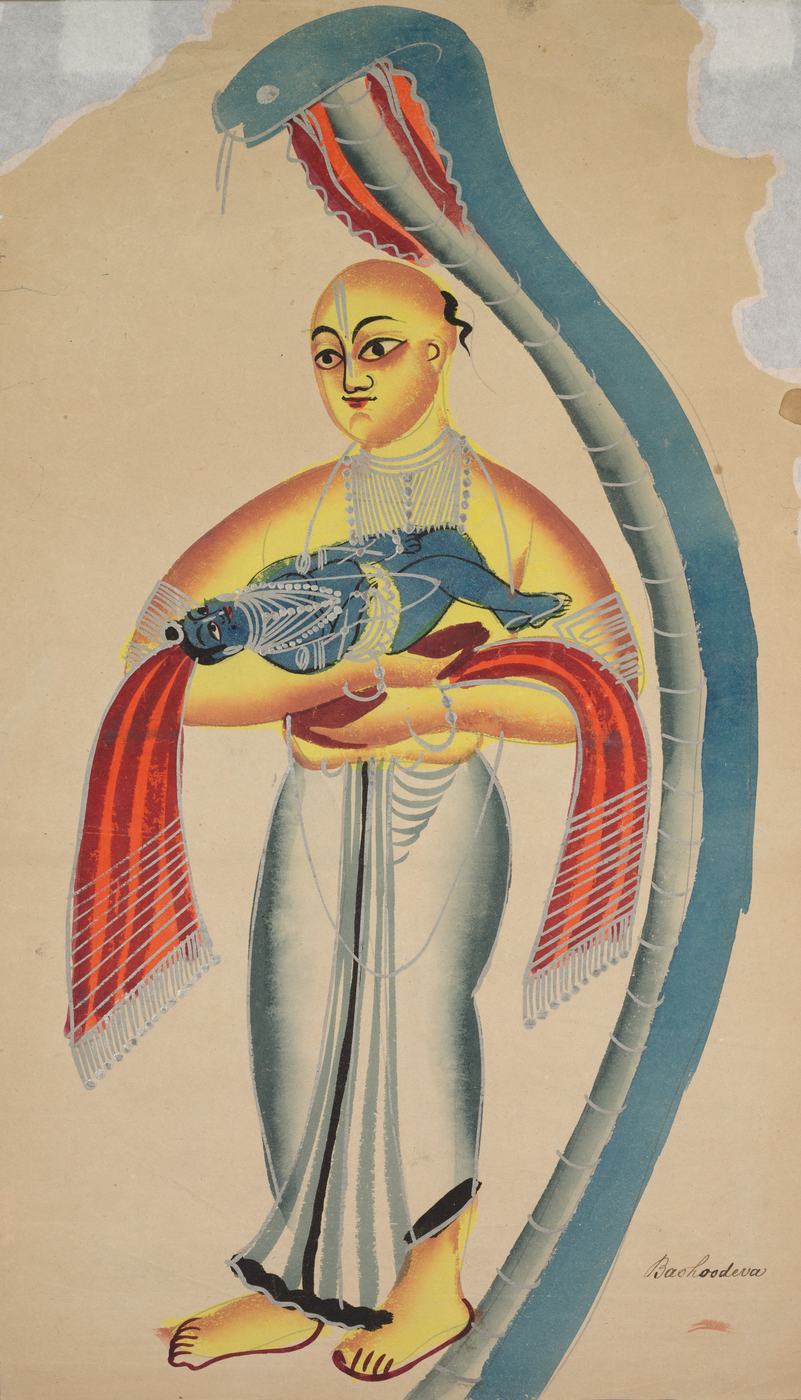
A Serpent Protects Vasudeva Taking His Infant Son Krishna to Safety, c. 1890. Cleveland Museum of Art, CC0.
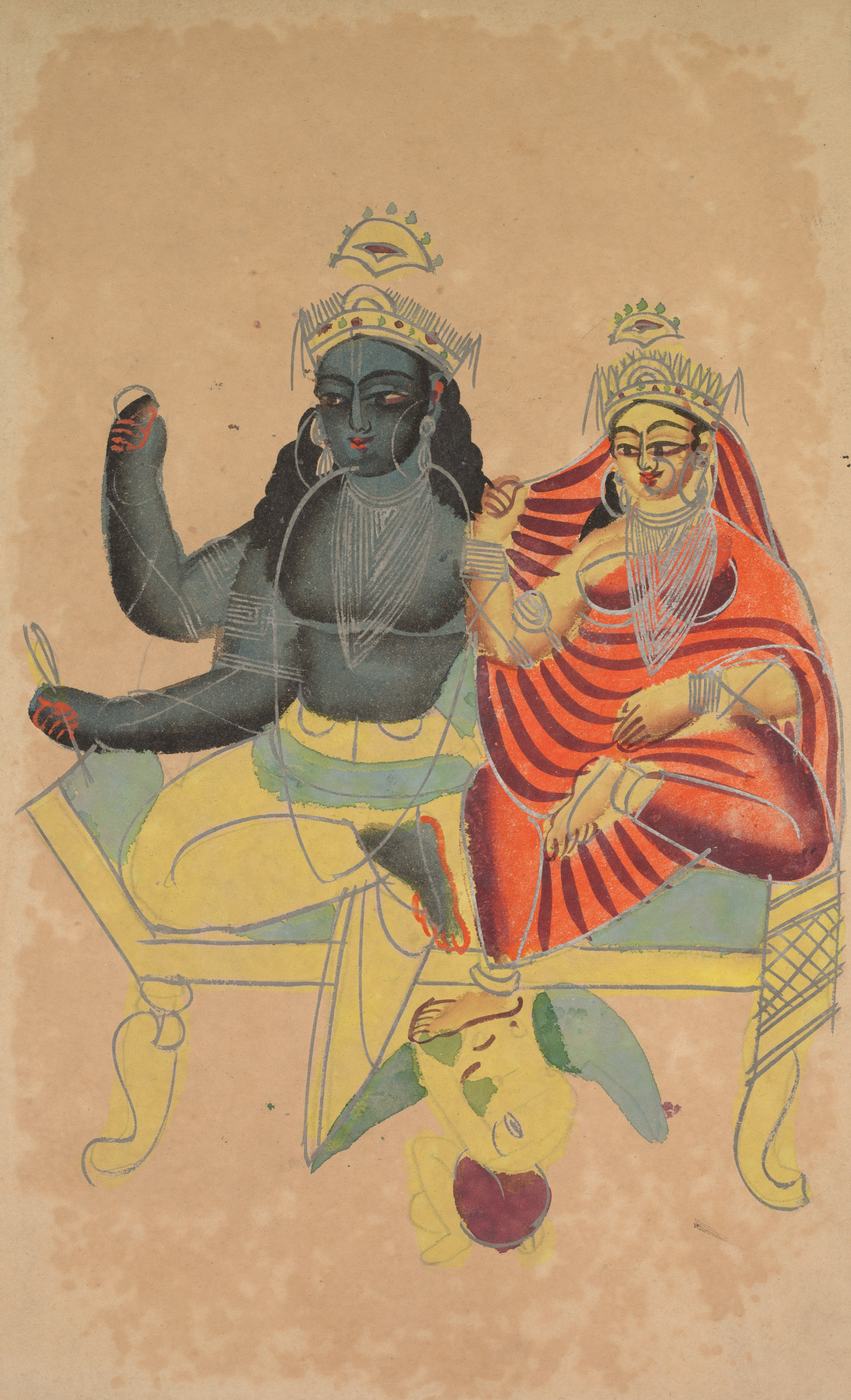
Vishnu and Lakshmi, c. 1890. Cleveland Museum of Art, CC0.
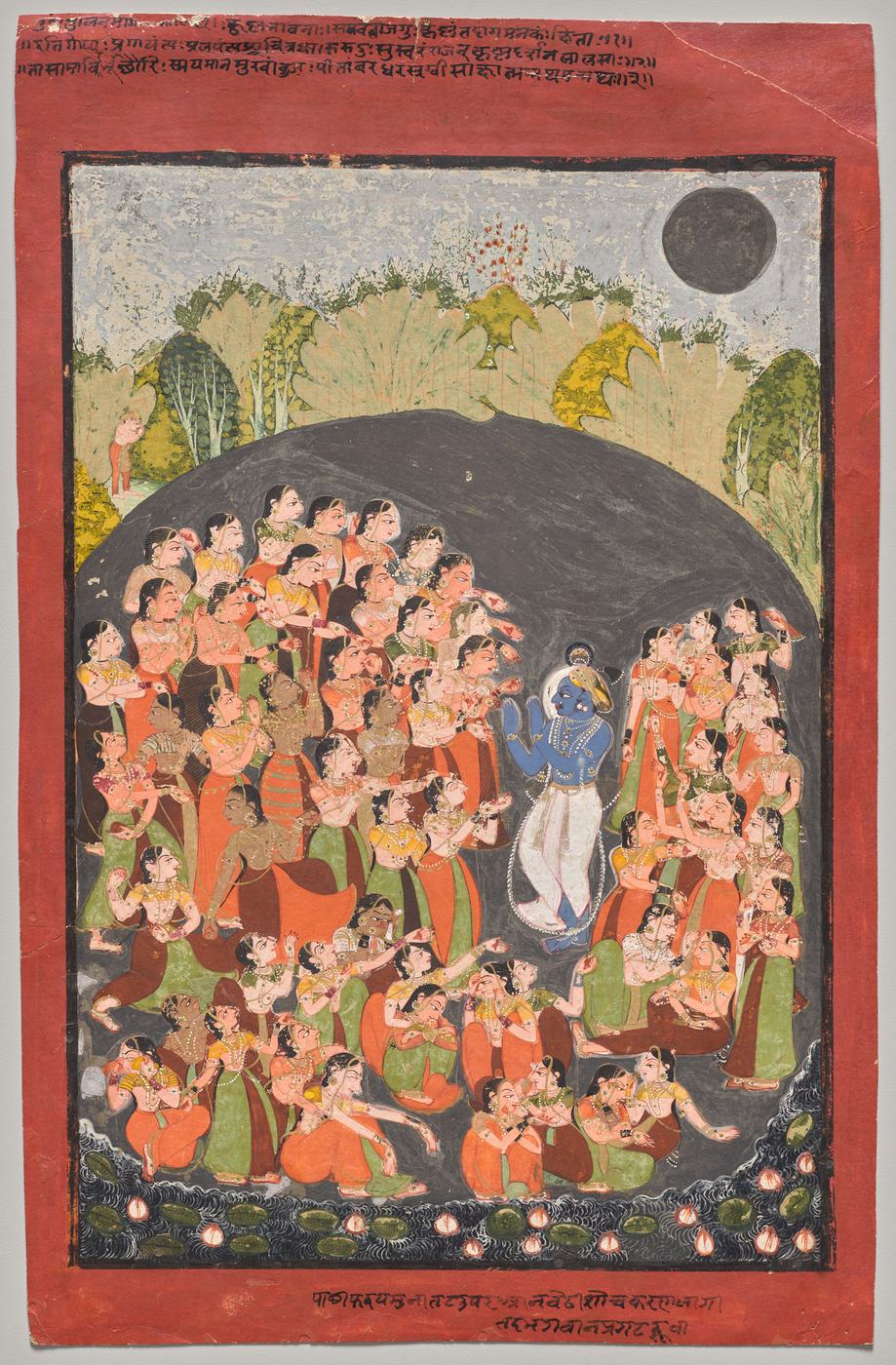
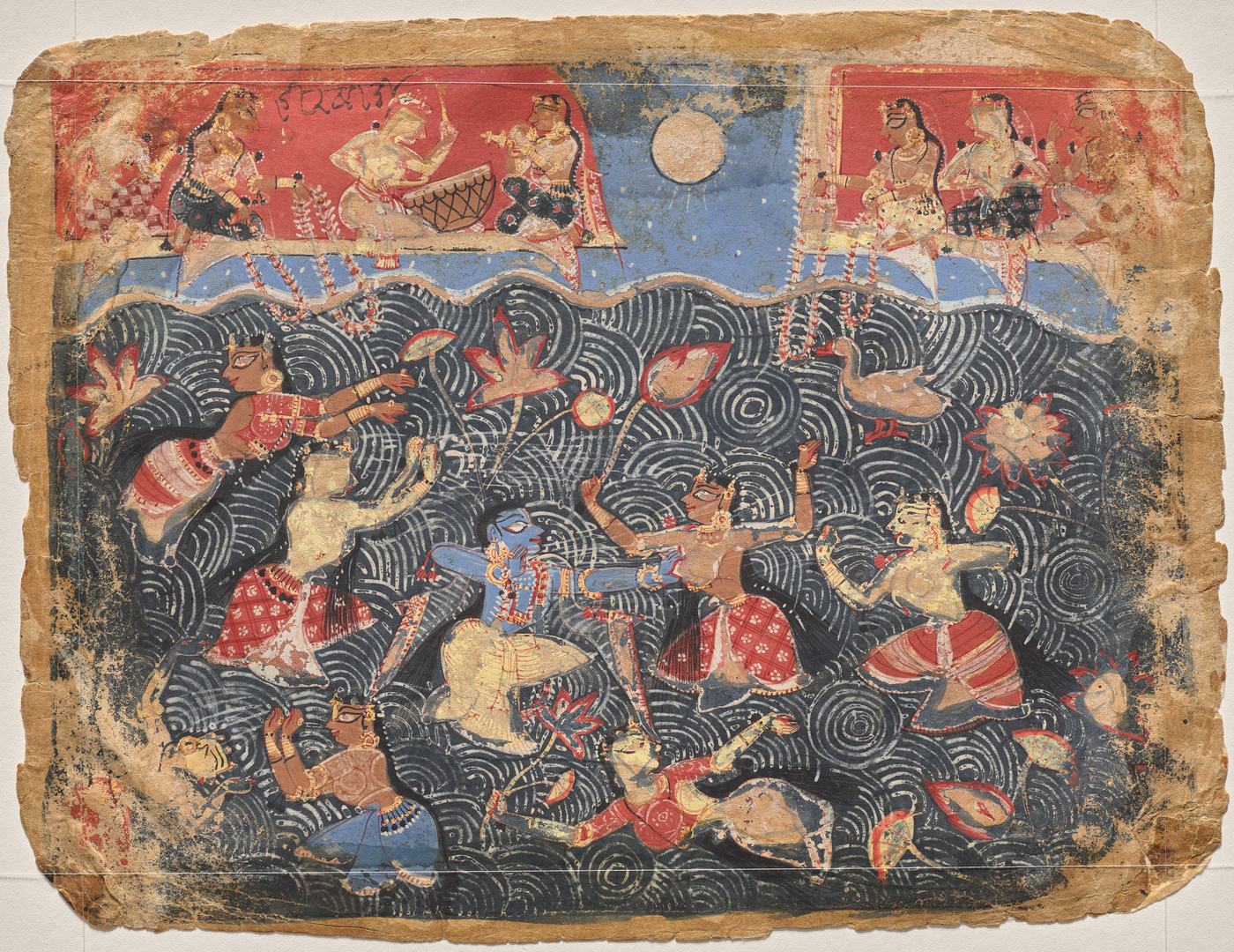
Krishna sporting with the gopis in the Jumna River, from a Bhagavata Purana, c. 1525–40. Cleveland Museum of Art, CC0.
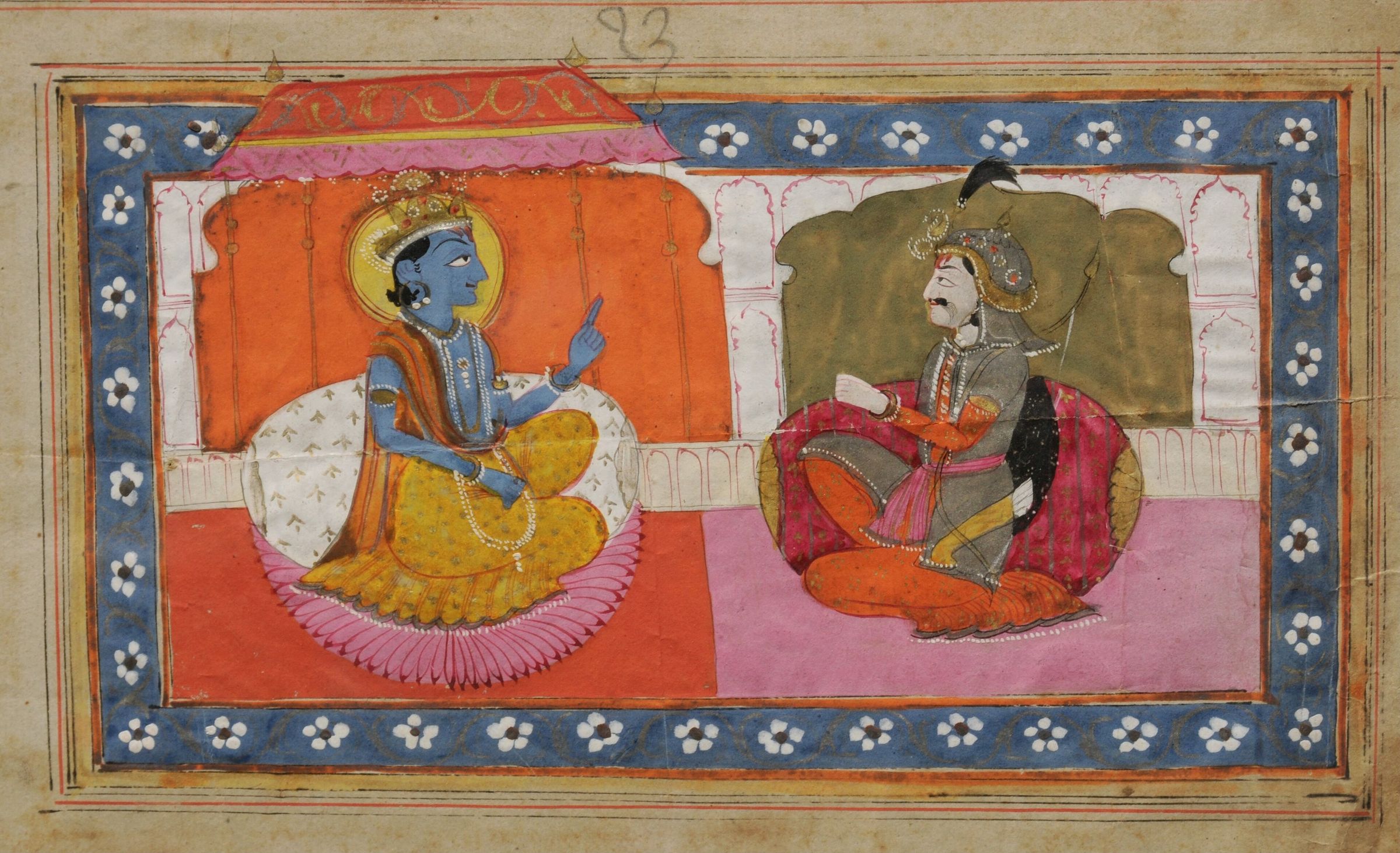
Sri Krishna preaching Gita Upadesh to Arjun - Unknown, Kashmir School - Google Cultural Institute. Unknown artist. Public domain, via Wikimedia Commons. Cropped and resized.
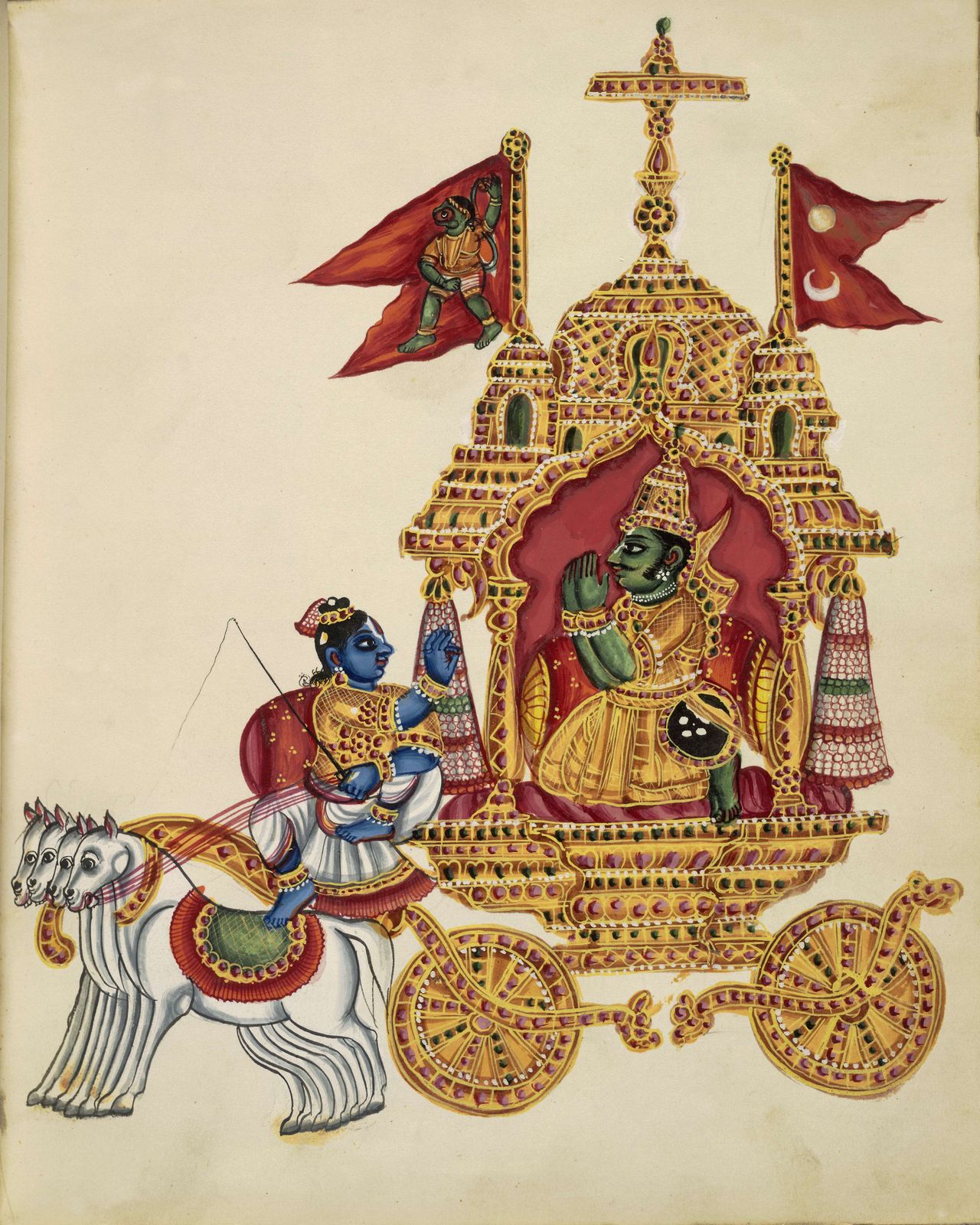
Krishna Arjuna Gita. Unknown artist. Public domain, via Wikimedia Commons. Cropped and resized.
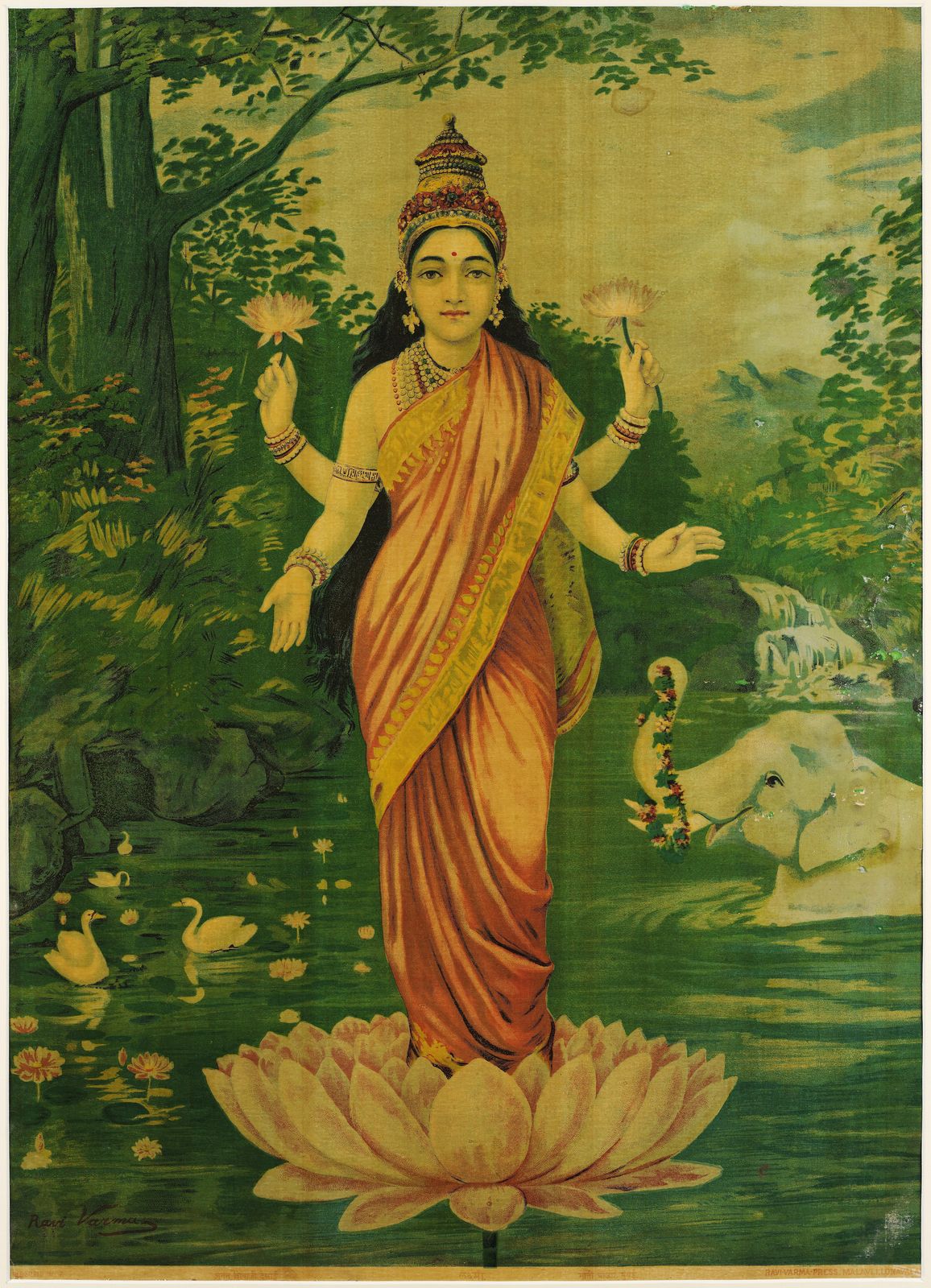
Lakshmi, by Raja Ravi Varma, 1930s. Raja Ravi Varma. Public domain, via Wikimedia Commons. Cropped and resized.
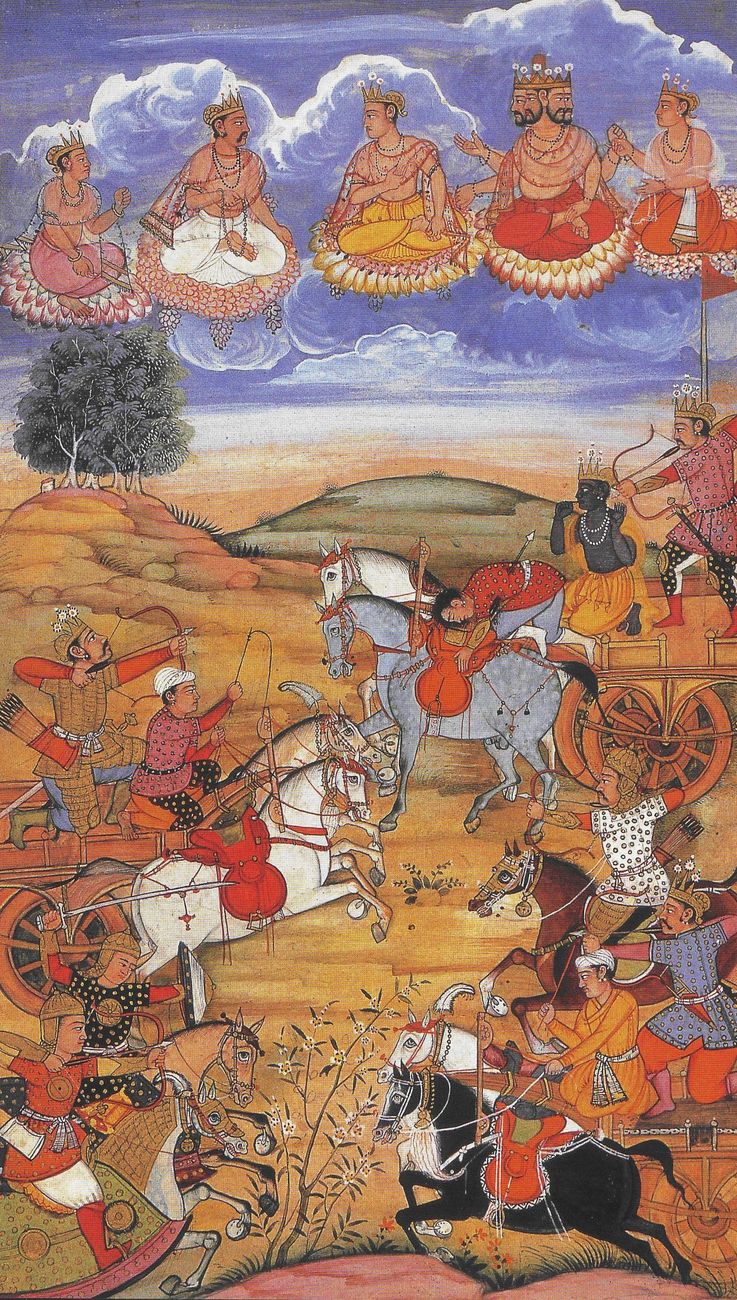
A Composite Illustration from the Razmnama - Mughal Painting 1616-17. Unknown artist. Public domain, via Wikimedia Commons. Cropped and resized.
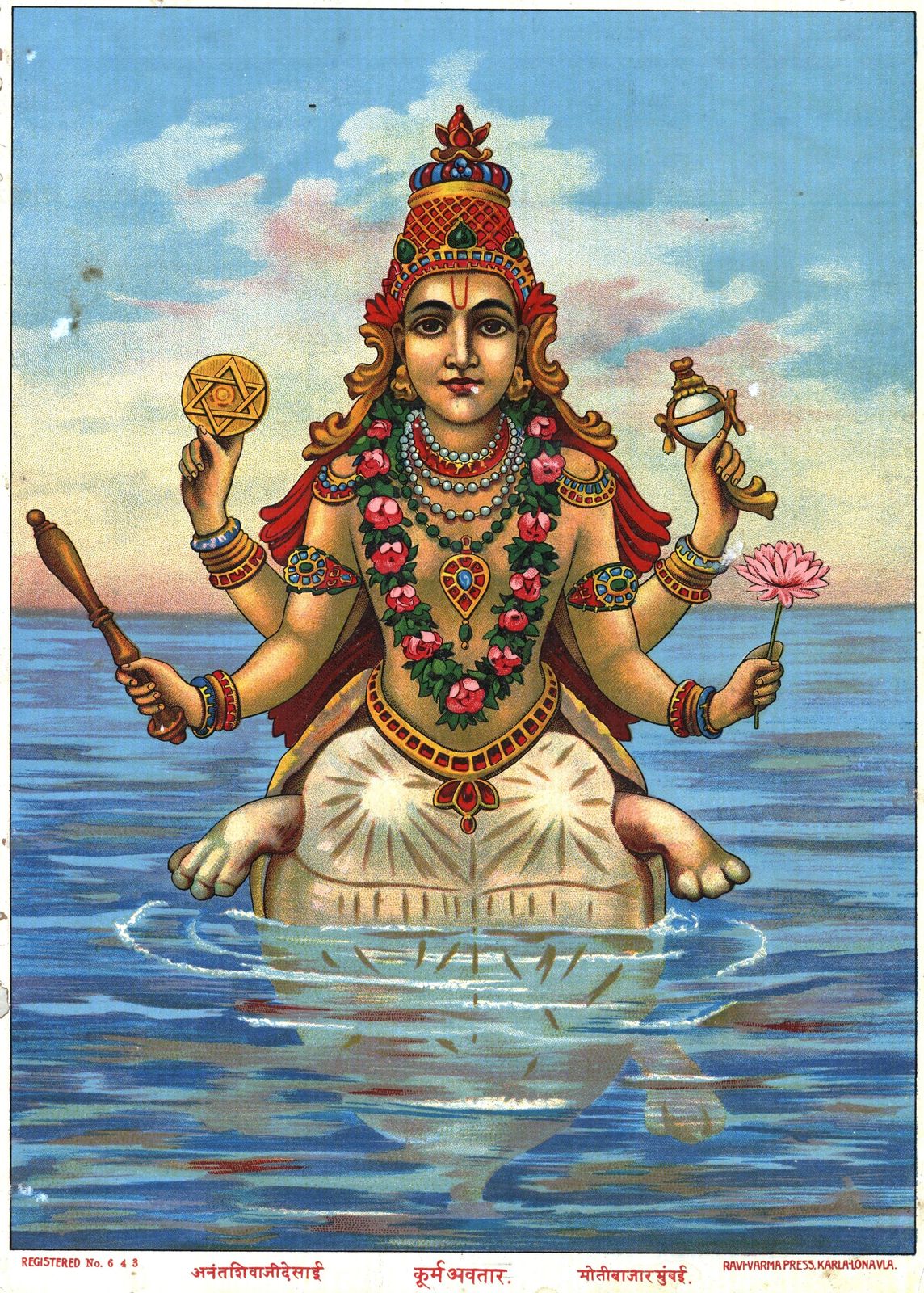
Kurma Avatar by Raja Ravi Varma. Raja Ravi Varma. Public domain, via Wikimedia Commons. Cropped and resized.
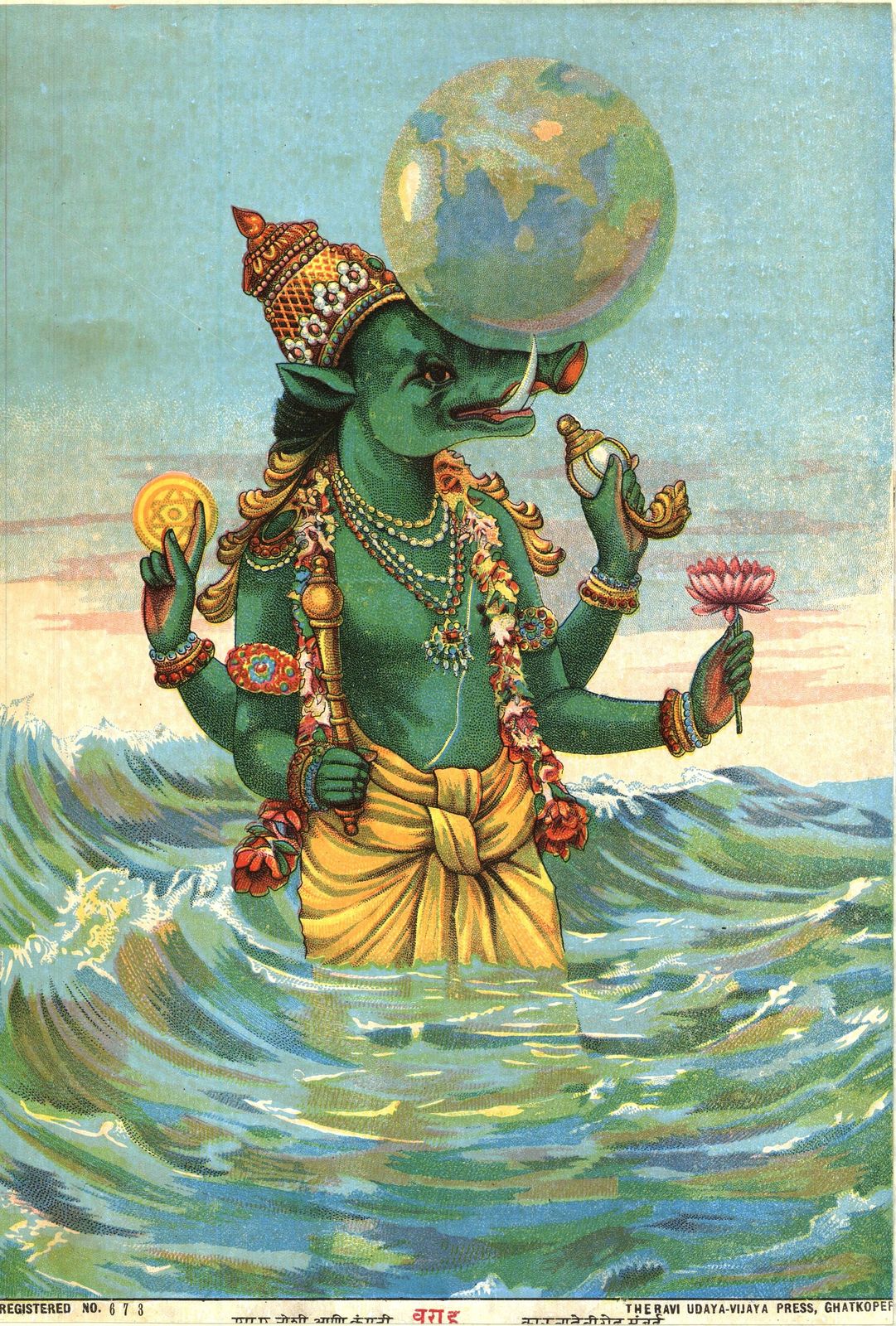
Varaha Raja Ravi Varma. The Ravi Udaya Vijaya Press Ghatkoper, Raja Ravi Varma. Public domain, via Wikimedia Commons. Cropped and resized.
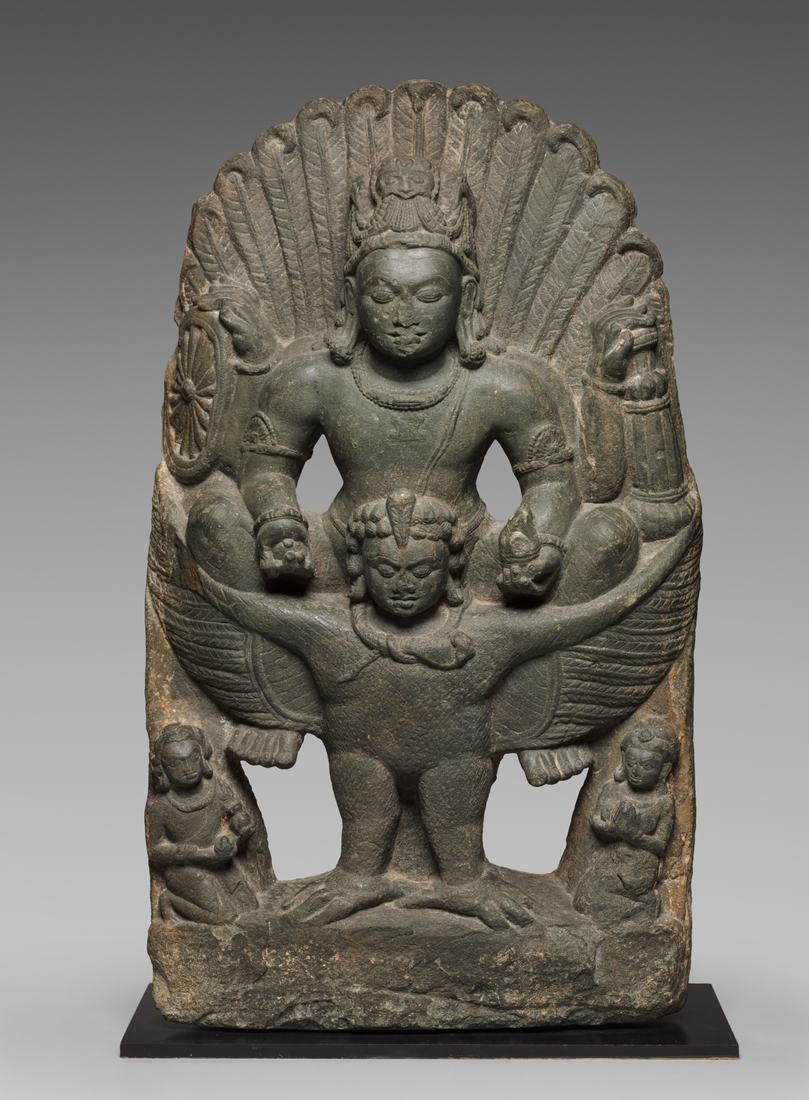
Vishnu and Shri Supported by Garuda, 1000s-1100s. Cleveland Museum of Art, CC0.
Vishnu Riding on Garuda, 300s CE. Cleveland Museum of Art, CC0.
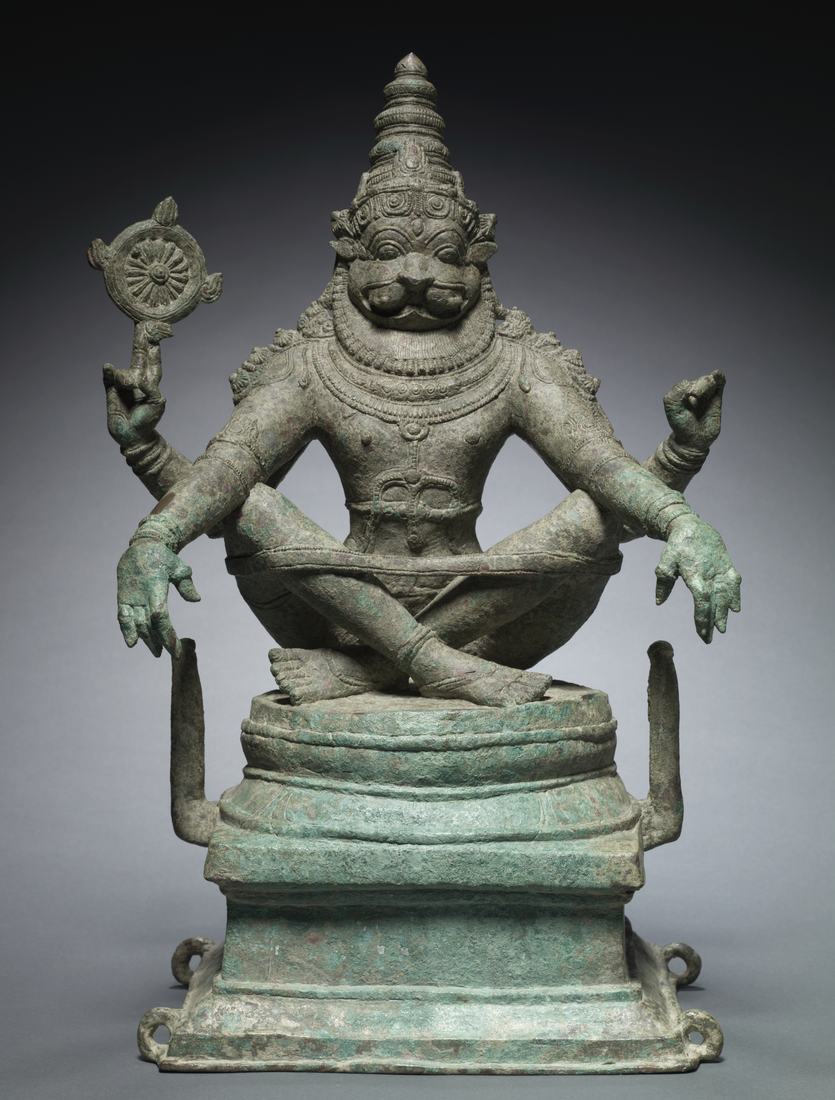
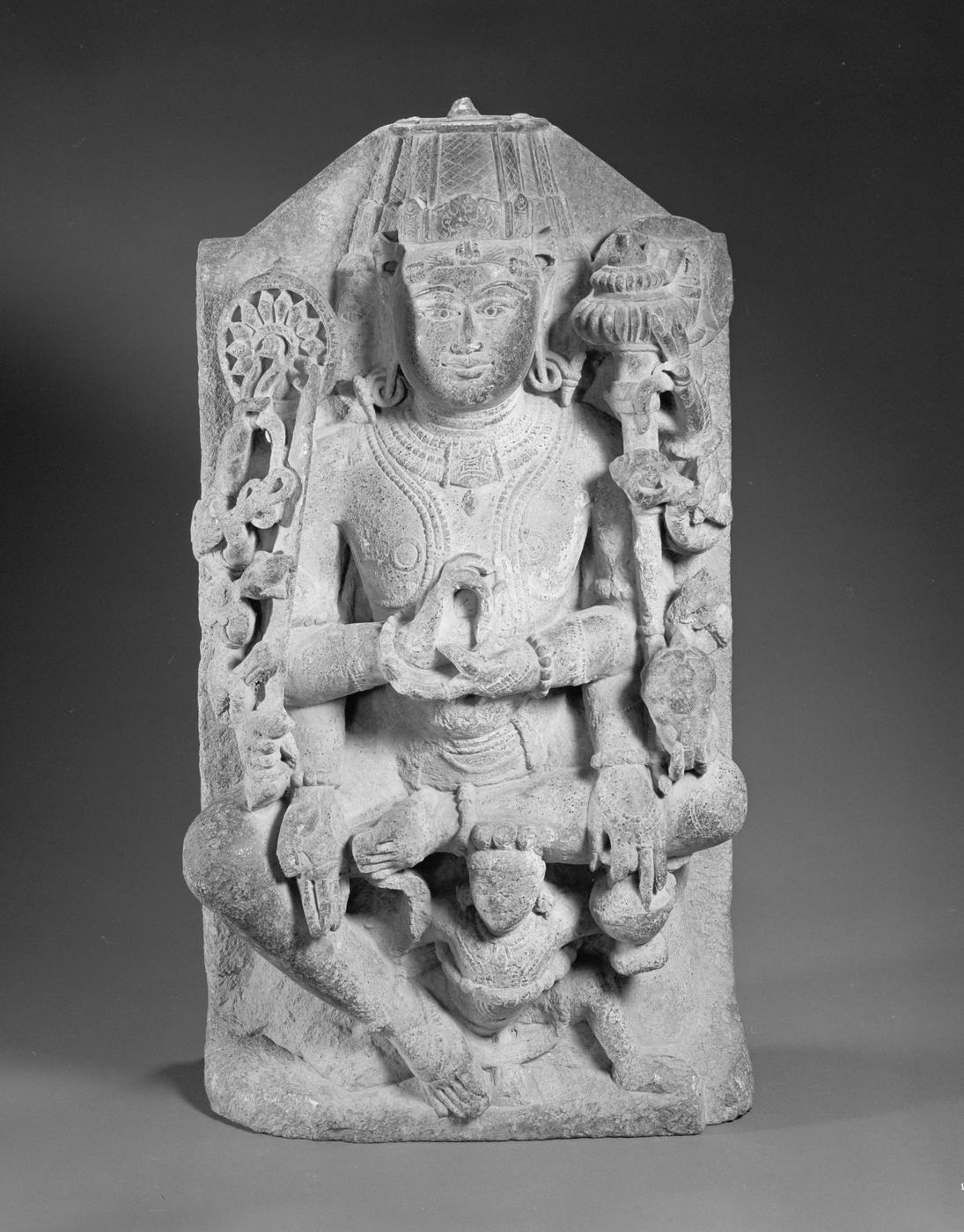
Yoga Narashimha, Vishnu in his Man-Lion Avatar, c. 1250. Cleveland Museum of Art, CC0.
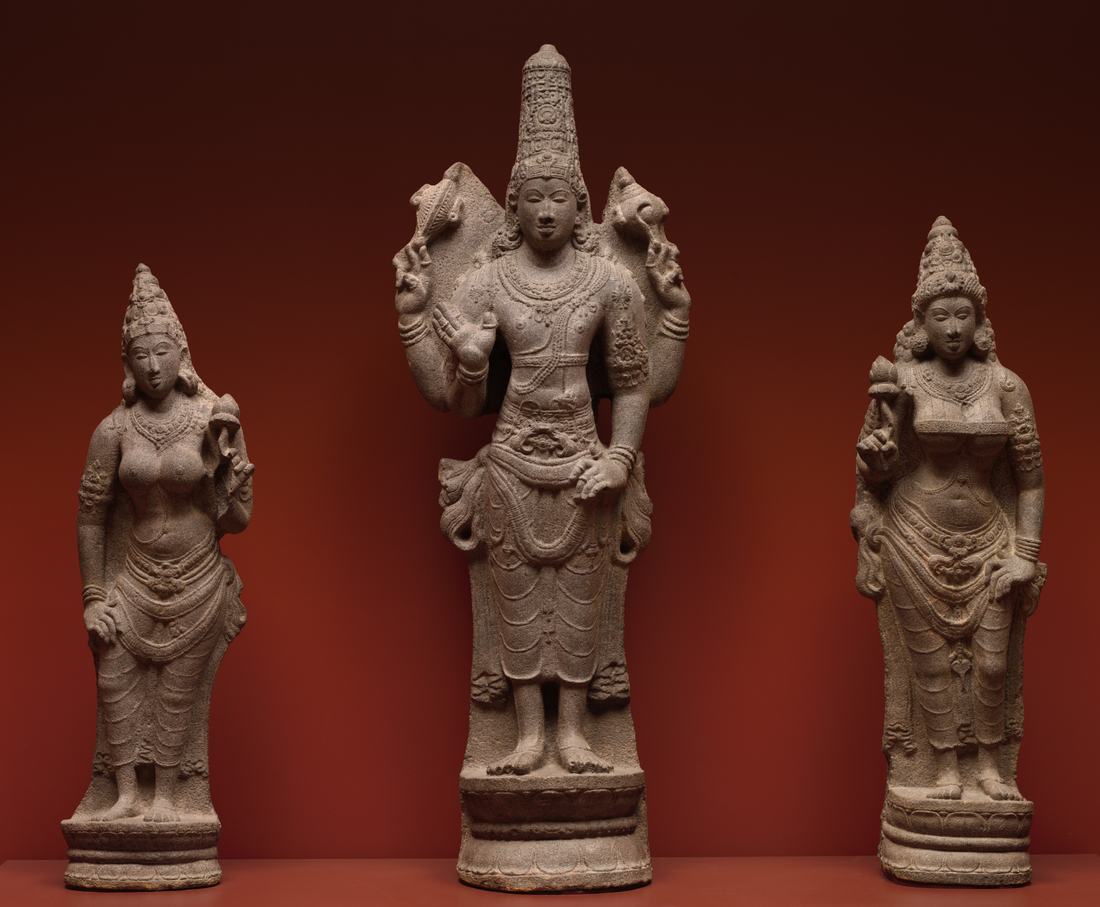
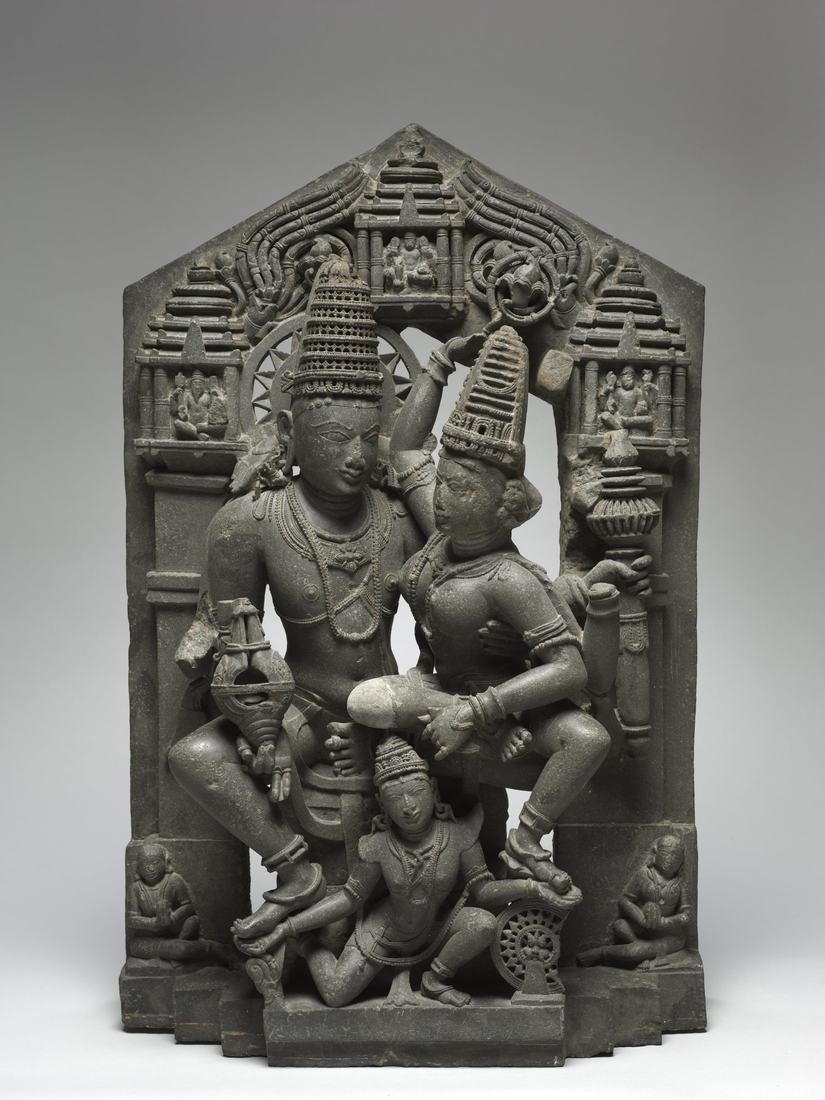
Vishnu with Shri and Bhu, 900–950. Cleveland Museum of Art, CC0.
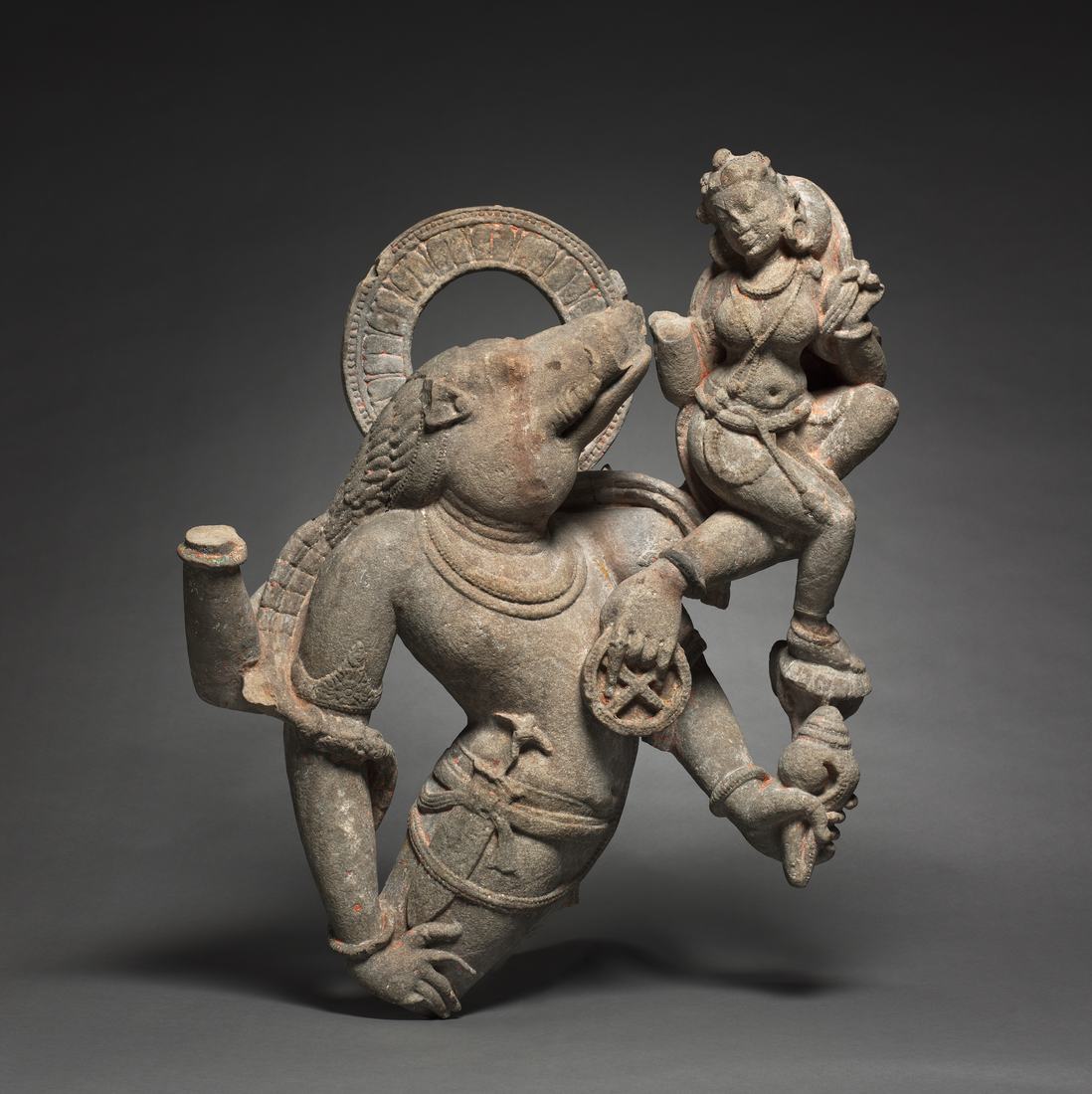
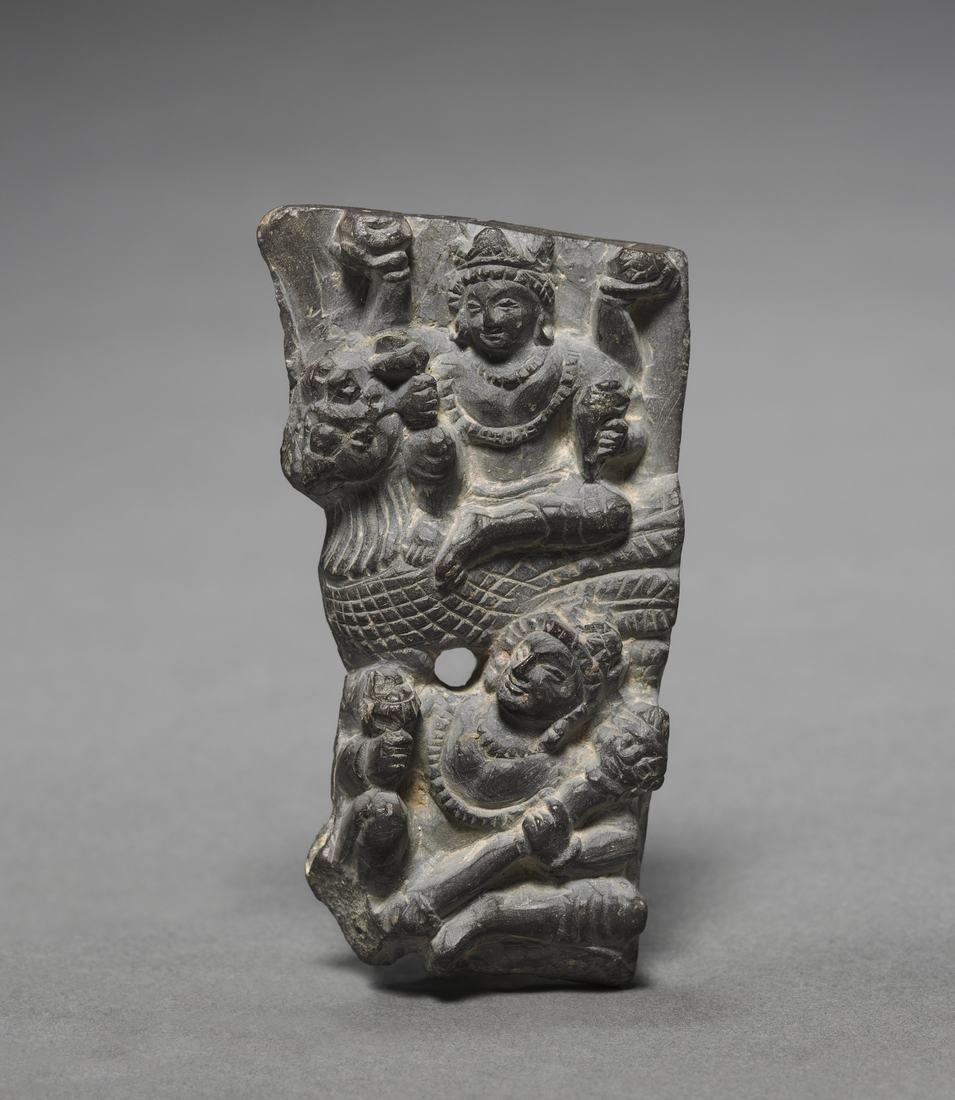
Varaha, Boar Incarnation of Vishnu, 700–800s. Cleveland Museum of Art, CC0.
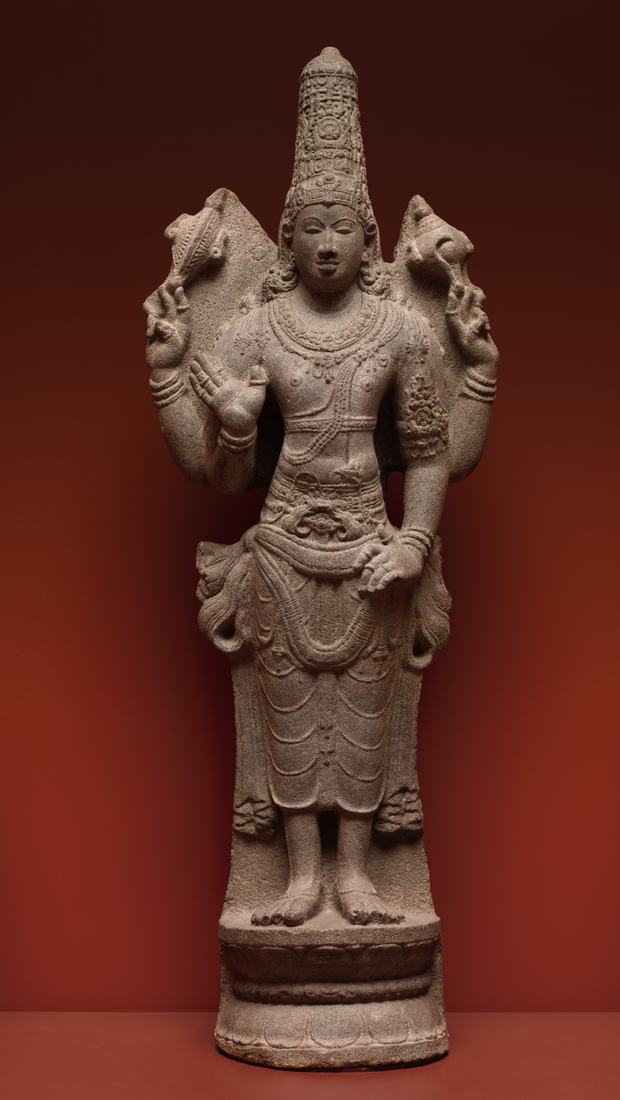
Vishnu, 900–950. Cleveland Museum of Art, CC0.
Vishnu, late 400s CE. Cleveland Museum of Art, CC0.
Vishnu, 700s. Cleveland Museum of Art, CC0.
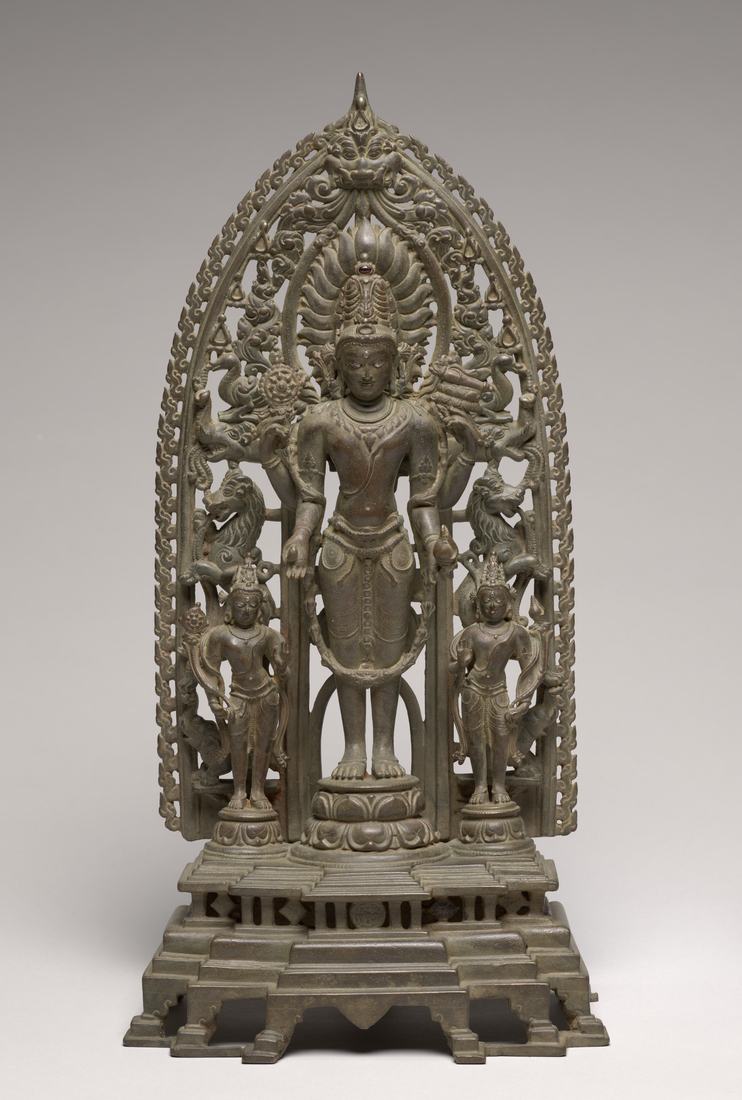
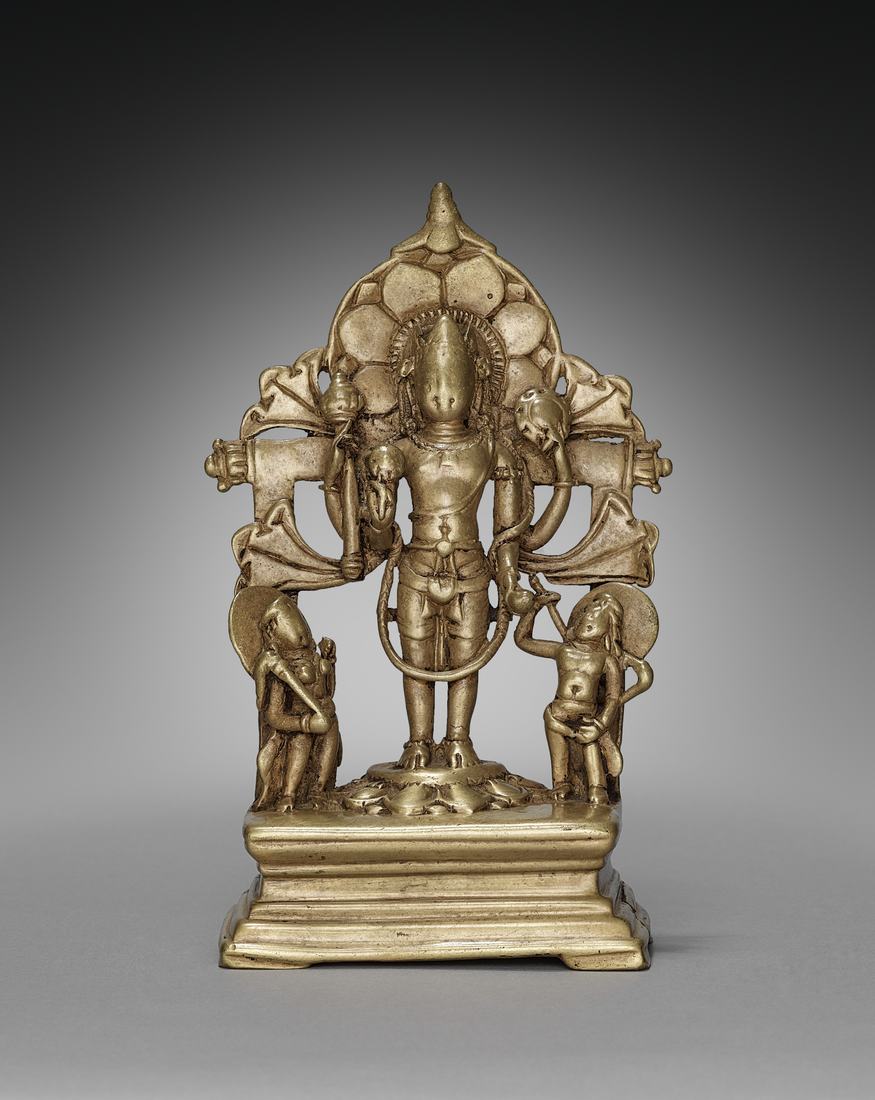
Standing Vishnu with Attendants, 800s. Cleveland Museum of Art, CC0.
Vishnu, 650–99. Cleveland Museum of Art, CC0.
Standing Vishnu, late 500s. Cleveland Museum of Art, CC0.
Vishnu, 800s. Cleveland Museum of Art, CC0.
Vishnu Attended by Chakrapurusa and Shankhapurusa, 1000s–1100s. Cleveland Museum of Art, CC0.
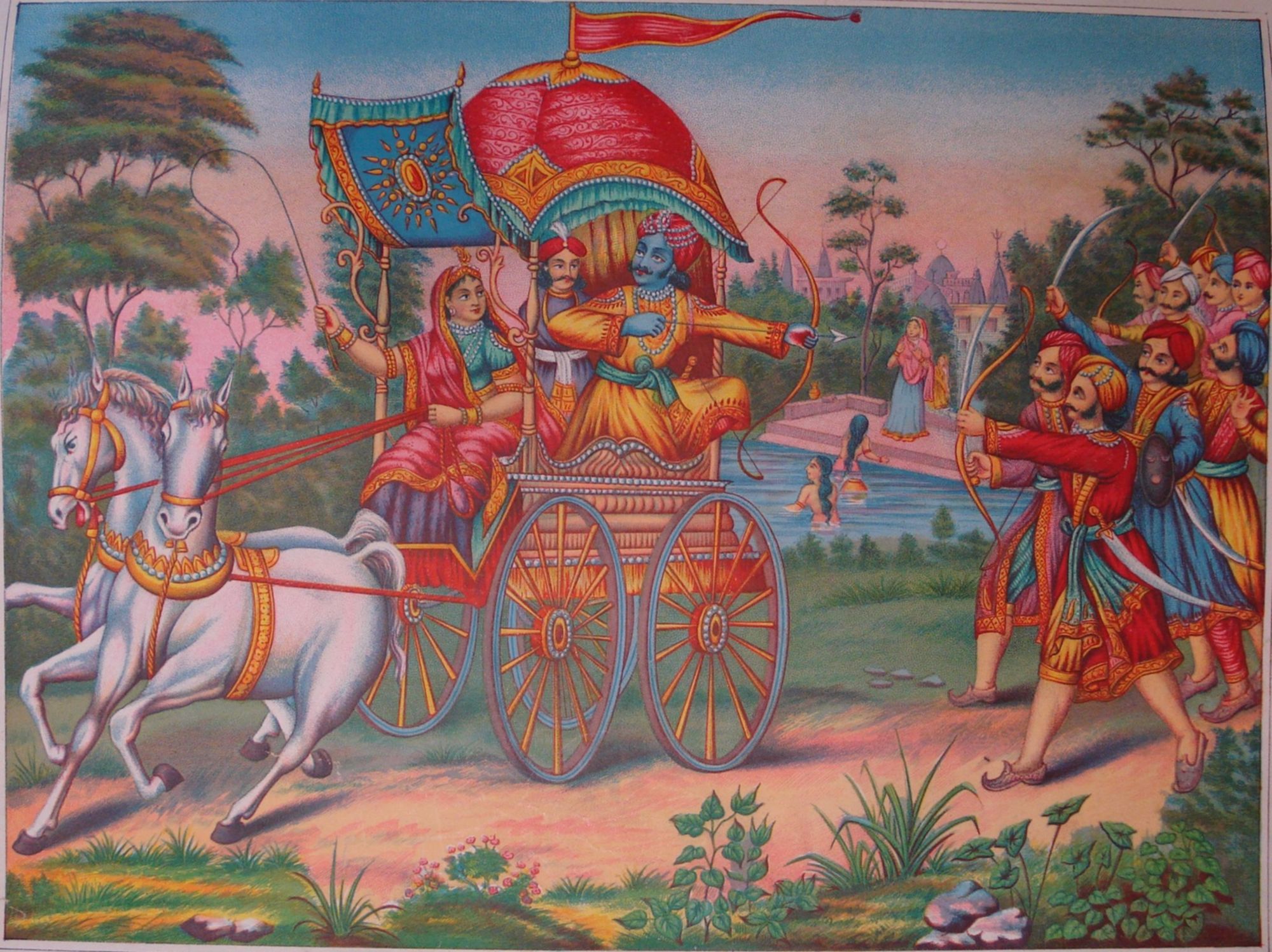
Subhadra, the half sister of Krishna, drives a chariot away from Dwarka with Arjuna and Krishna inside. Unknown artist. Public domain, via Wikimedia Commons. Cropped and resized.
Vishnu Vishvarupa. Unknown artist. Public domain, via Wikimedia Commons. Cropped and resized.
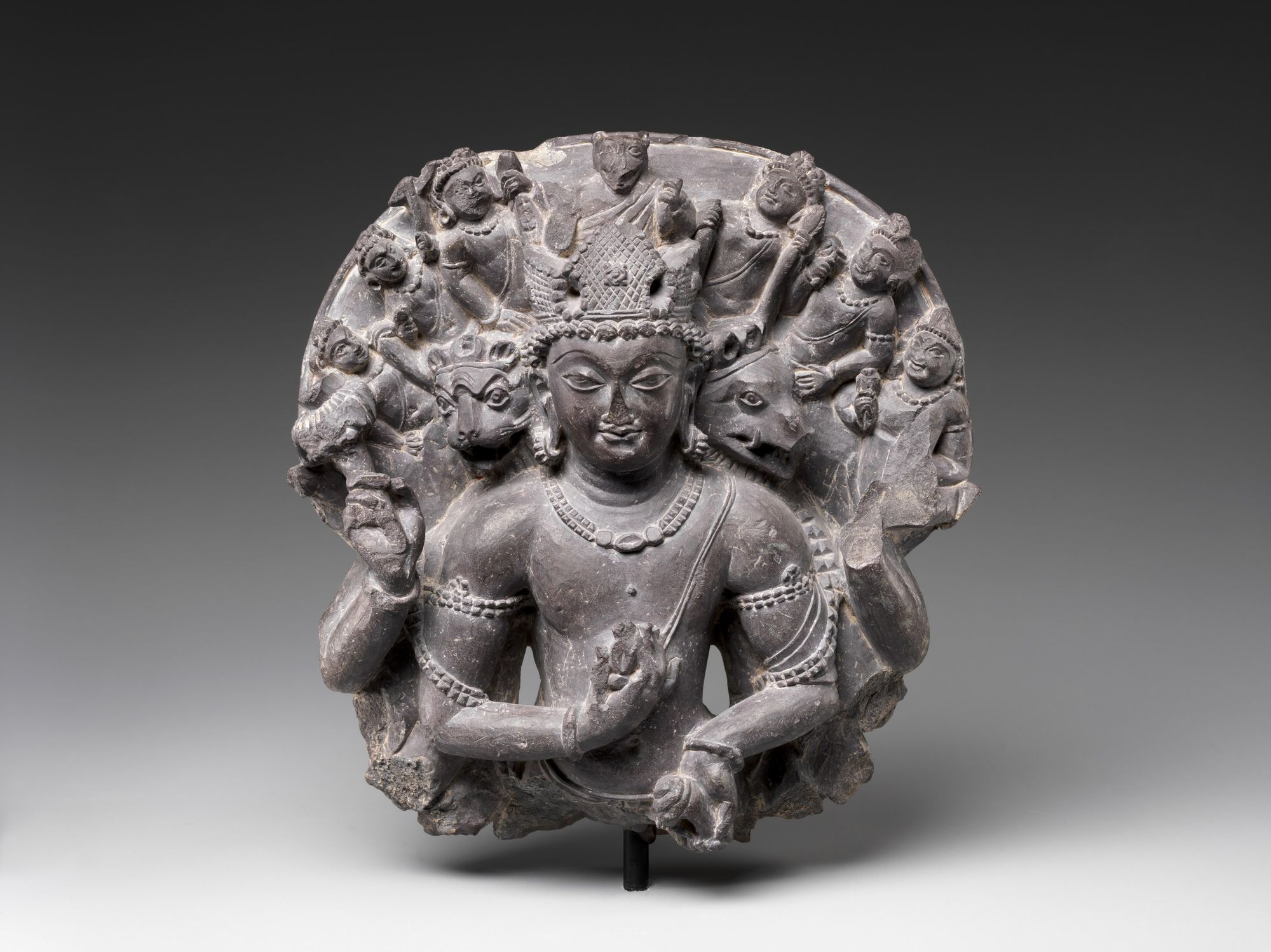
Vishvarupa Vishnu, Kingdom of Kashmir, Jammu & Kashmir, 6th century CE. Metropolitan Museum of Art. CC0, via Wikimedia Commons. Cropped and resized.
King Bhupatindra Malla as Vishvarupa. Nyeta. CC BY-SA 4.0, via Wikimedia Commons.
Vishvarupa. Nomu420. CC BY-SA 3.0, via Wikimedia Commons.
Ryabharamlo visvarupam. T.sujatha. CC BY-SA 3.0, via Wikimedia Commons.
Vishnu Vishvarupa with Lakshmi Bhaktapur. Nyeta. CC BY-SA 4.0, via Wikimedia Commons.
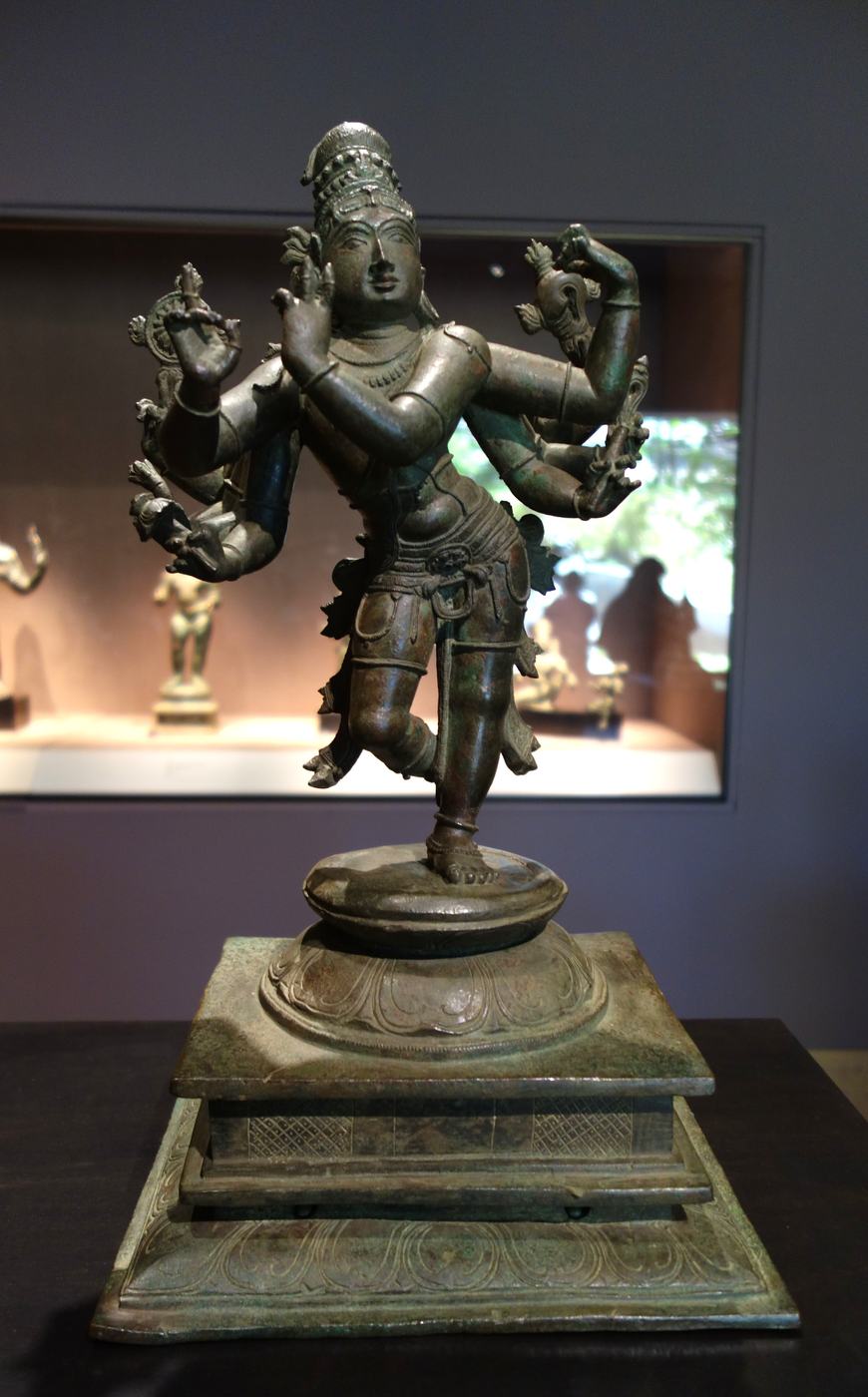
Cosmic Form of Krishna, India, Tamil Nadu, 1400s AD, bronze - Norton Simon Museum - Pasadena, CA - DSC03731. Daderot. Public domain, via Wikimedia Commons.
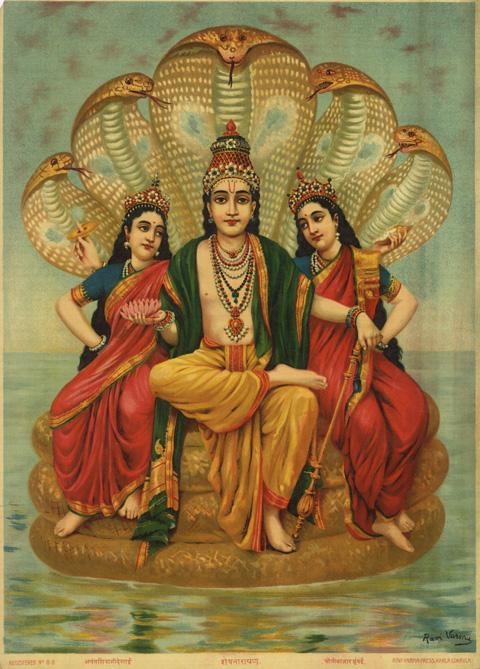
Raja Ravi Varma, Seshanarayana (Oleographic print). Raja Ravi Varma. Public domain, via Wikimedia Commons.
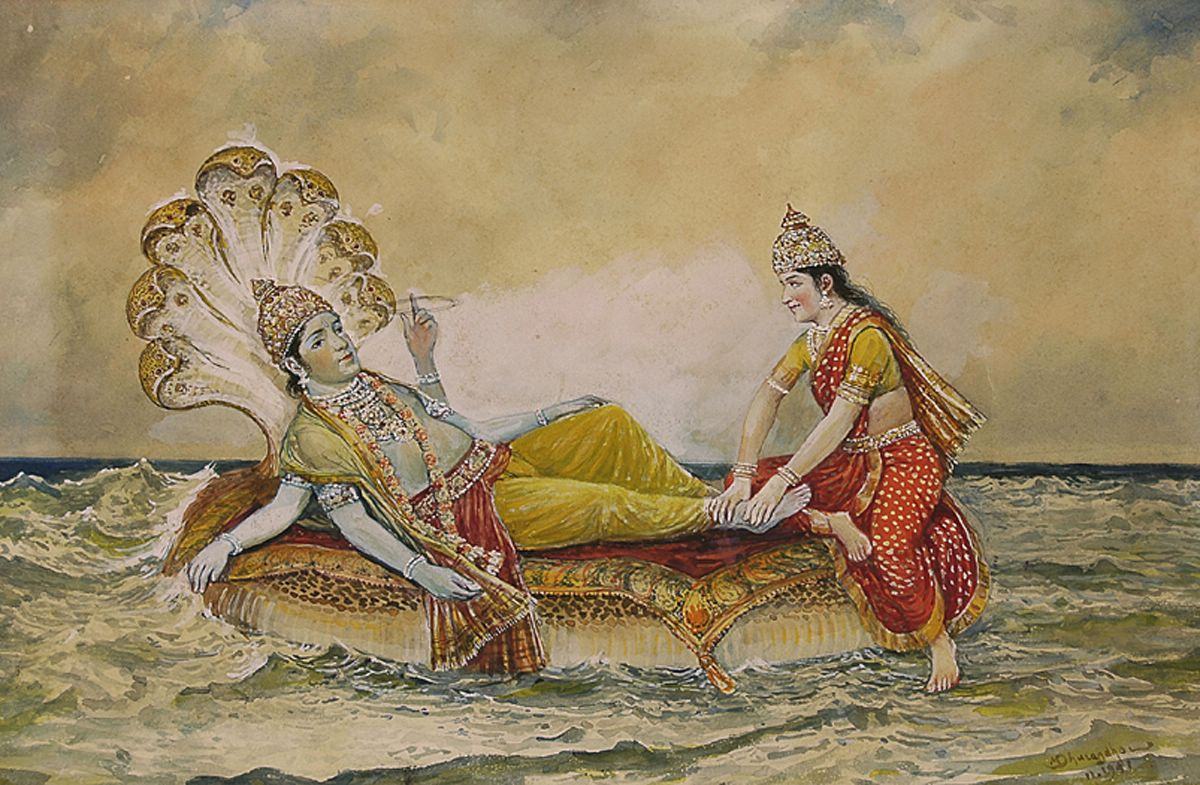
Sheshashayi - Laxminarayan by DHURANDHAR MV. M. V. Dhurandhar. Public domain, via Wikimedia Commons.
Vishvarupa Vishnu LACMA M.83.248.1. Unknown artist. Public domain, via Wikimedia Commons.
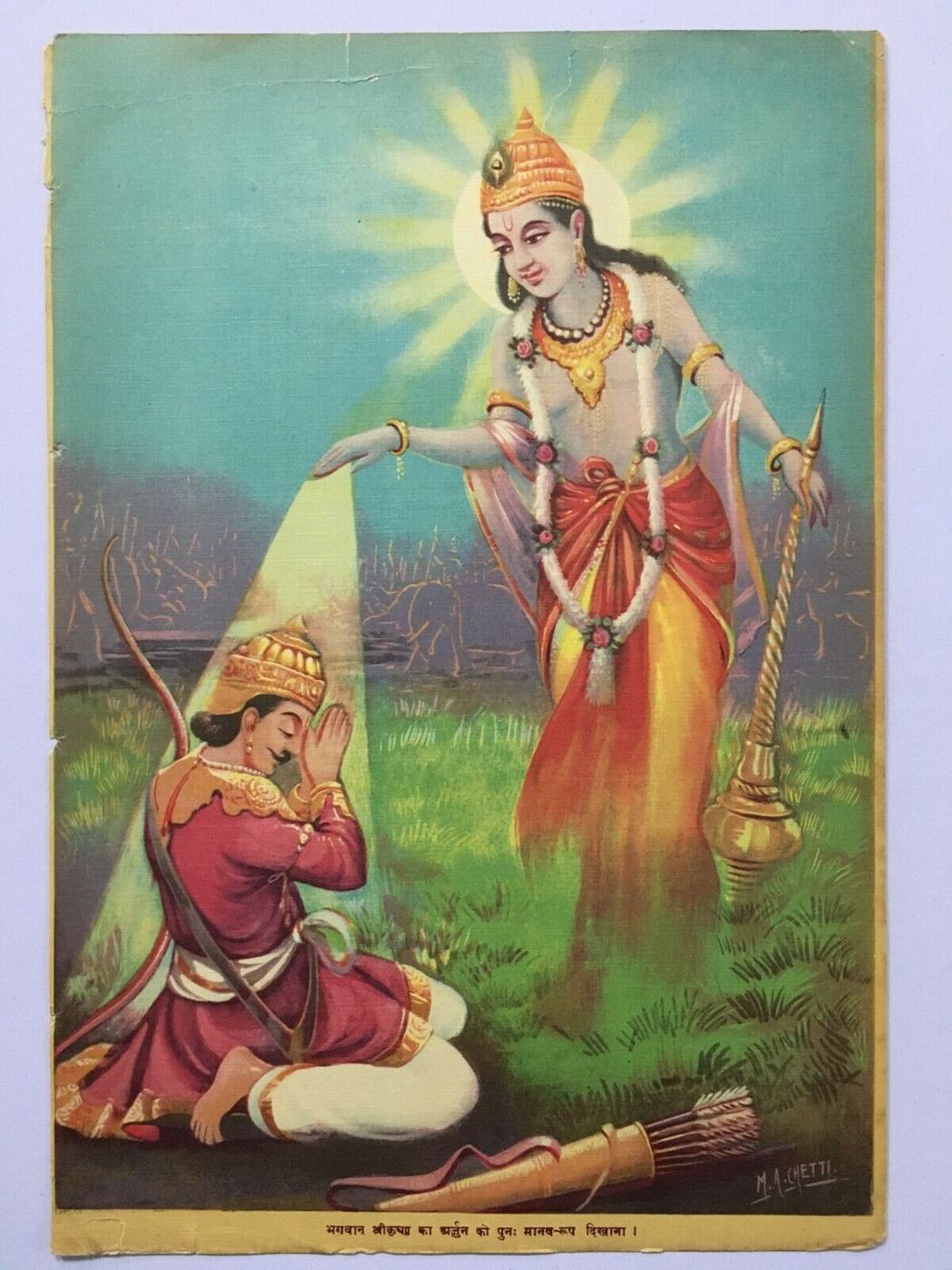
India 40's Print KRISHNA SHOWING HIS UNIVERSAL FORM TO ARJUNA. Unknown artist. Public domain, via Wikimedia Commons.
Opening particle field generated from “Vishnu on Ananta, the Endless Serpent,” c. 1700, Cleveland Museum of Art, CC0.